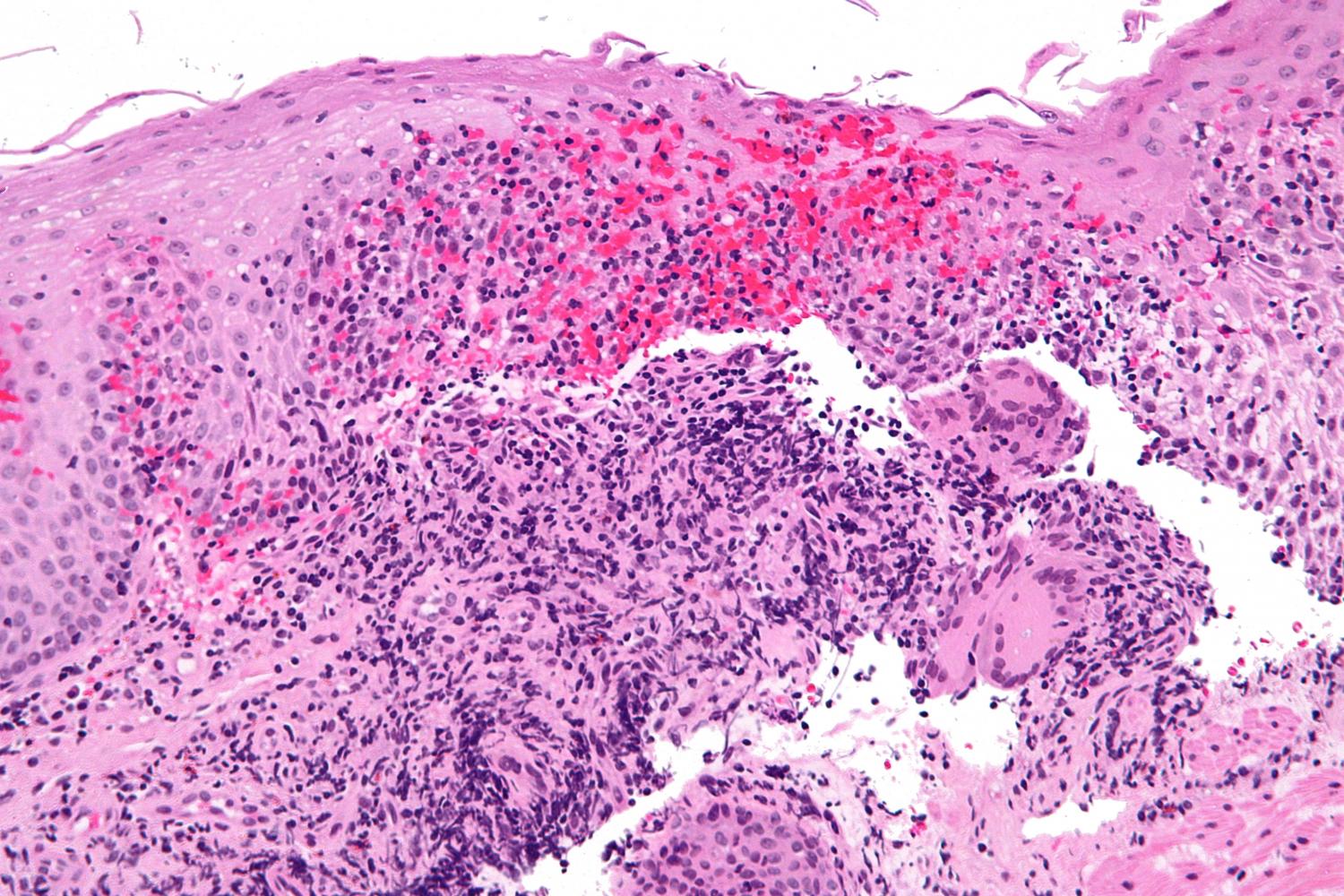
Understanding gene–microbe interactions that drive site-specific disease in very early-onset Crohn’s could reveal why some children develop ileal versus colonic disease and suggest new approaches to prevention or targeted therapies.
Who Should Pay Attention
Researchers; pediatric gastroenterologists and clinicians; researchers focused on the microbiome, genetics, and immune pathways; parents and caregivers of children with very early-onset IBD
Study Snapshot
Story typeClinical Reference
Evidence typeFunded research project
Study statusFunded
Source depthResearch project record
What To Know
This is a funded research project from the University of Michigan using a humanized (microbiota-colonized) gnotobiotic mouse model engineered to carry deficiencies in Nod2 and Cybb, genes linked to early-onset Crohn’s disease.
Investigators will use microbiota from young children with early-onset CD and their healthy relatives to identify microbial triggers and inflammatory signatures that produce ileal versus colonic disease in the model.
The project focuses on children (very early-onset IBD) and leverages genetic risk, host-microbe interactions, and site-specific immune responses (including IL-17+ CD4+ T cells and innate lymphoid cells) to define mechanisms of disease. It is a preclinical, mechanistic study rather than a clinical trial of treatments.
Keep In Mind
This entry is a project record describing funded preclinical research using human-derived microbiota in genetically modified gnotobiotic mice. It reports planned and preliminary model results but does not present clinical findings or treatment recommendations. Translational impact will depend on follow-up validation and human studies.
Source Details
Review the original publication for the complete reporting, methods, and context.
Funded research projectEvidence type derived from source or registry metadata.
PublicationNIH RePORTER
AuthorsRoberta Caruso
InstitutionUNIVERSITY OF MICHIGAN AT ANN ARBOR
Study typeFunded Research Project
Indexed viaNIH RePORTER
Source typeFunded research record
PublishedJul 17, 2026, 12:00 AM
Content availableResearch project record
Funding disclosed by the source: National Institute of Allergy and Infectious Diseases - R21AI194215 - $244,468
This Cure8 brief is based on source text from the linked article. Cure8 is informational only and is not a substitute for professional medical advice, diagnosis, or treatment.
The review highlights how microbial metabolites, epigenetic regulation, and mitochondrial metabolism interact to shape inflammation and barrier function in IBD. Understanding these links could help identify new...
The study synthesizes many stool metagenomes to find consistent microbial species, functional pathways, and strain-level differences linked to IBD and to distinctions between Crohn’s disease and ulcerative...
If EBV exposure increases the risk of later Crohn's disease, it could help explain one environmental trigger for IBD and point to new research directions for prevention or treatment. Patients may be interested because...