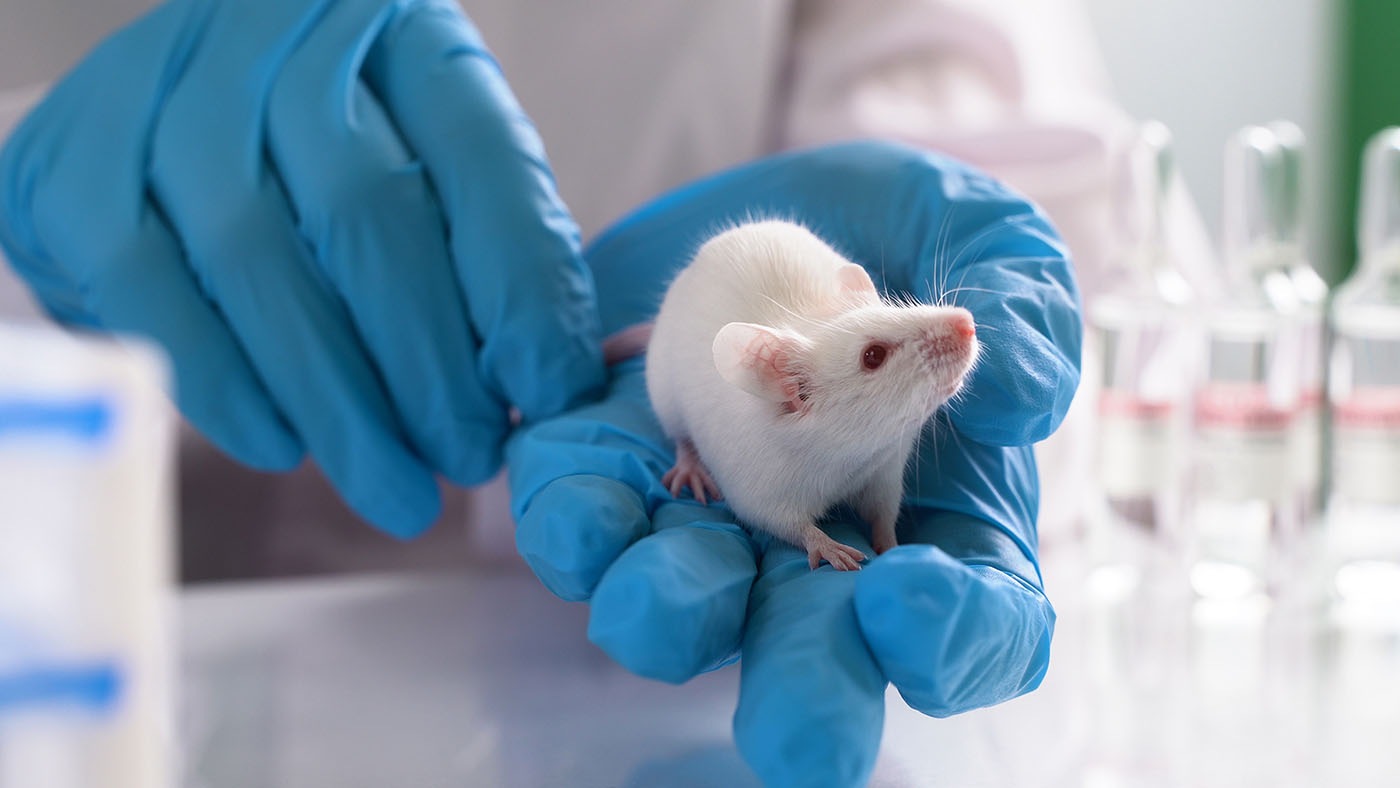
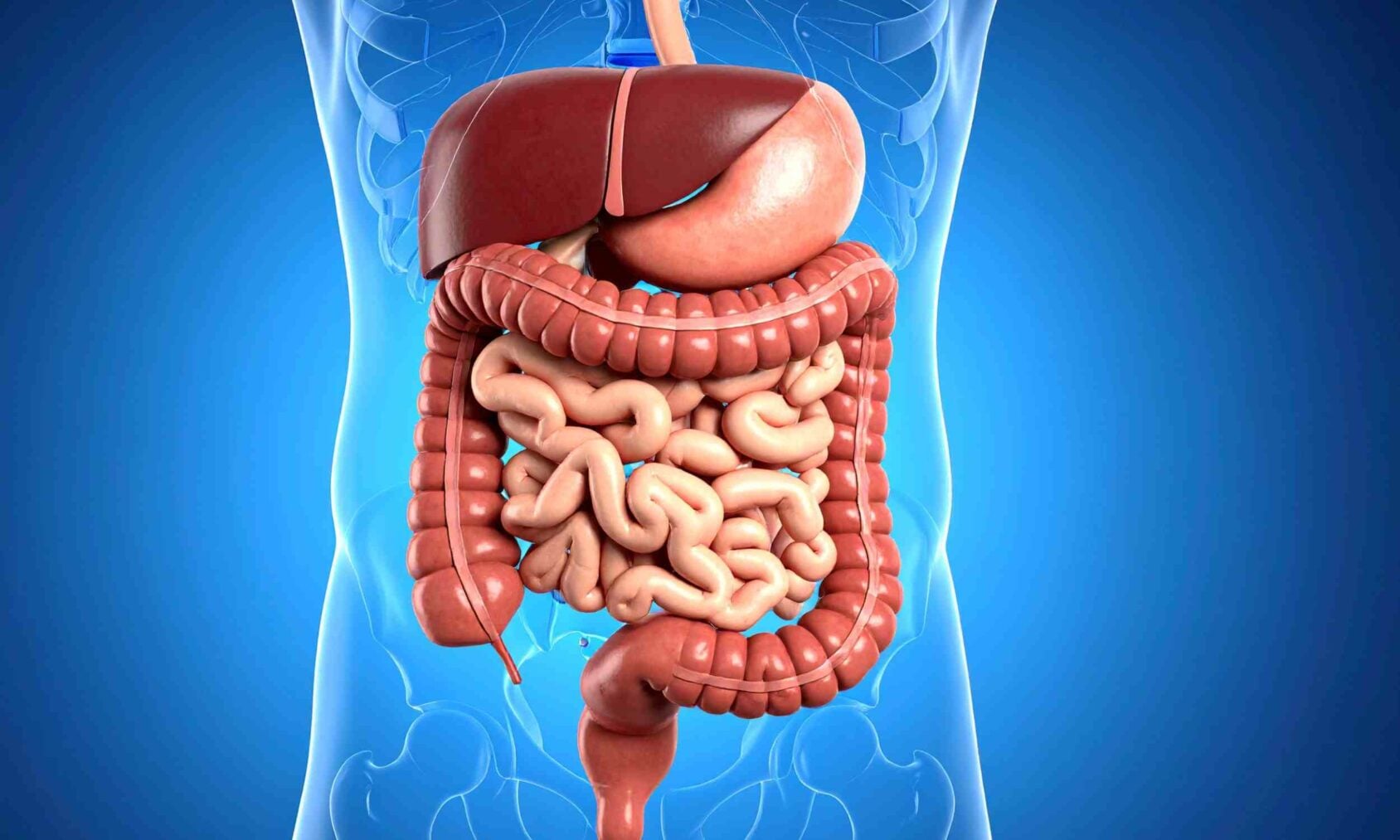
This study suggests a new, targeted way to reduce gut inflammation by disabling harmful E. coli behaviors linked to Crohn's disease without wiping out the microbiome.
It also indicates phage therapy might let clinicians use lower steroid doses while keeping benefits, which could reduce steroid side effects if proven in humans.
Who Should Pay Attention
Researchers studying the microbiome or bacteriophages, clinicians following emerging IBD treatments, and patients interested in microbiome‑targeted therapies or steroid‑sparing strategies.
Study Snapshot
Story typeResearch news
Evidence typeClinical study
Source depthFull source text
What To Know
Researchers at McMaster report a preclinical study using bacteriophages to target adherent‑invasive E. coli (AIEC) linked to Crohn's disease. The phages suppressed a bacterial adhesion/virulence mechanism rather than fully eradicating the bacteria, which reduced gut inflammation in experimental models.
The team also observed that combining phage treatment with a lower dose of a steroid produced similar benefits to a higher steroid dose alone in their models.
This work is presented as a precision‑medicine approach: the targeted bacterial function can be measured in stool and was elevated in a subset of Crohn's patients, suggesting a path to identifying patients who might benefit. The researchers plan to expand strain collections and develop phage combinations as steps toward human trials.
The report is based on laboratory and model work described in Science Translational Medicine and does not itself provide clinical trial results.
It describes a strategy to disarm harmful bacterial behavior rather than broad microbiome disruption, and highlights multidisciplinary methods used to connect bacterial traits, immune responses, and therapeutic design.
If you follow research on microbiome‑based therapies, this study is an early proof‑of‑concept that phages can modulate bacterial virulence and interact with non‑antibiotic drugs; more work is needed before this becomes a clinical treatment.
Keep In Mind
Findings come from lab and experimental models reported in Science Translational Medicine; they are promising preclinical results but not evidence that the approach is safe or effective in people yet. The study focuses on a subset of patients whose stool shows the targeted bacterial function, so applicability may be limited to specific bacterial profiles.
Source Details
Review the original publication for the complete reporting, methods, and context.
This Cure8 brief is based on source text from the linked article. Cure8 is informational only and is not a substitute for professional medical advice, diagnosis, or treatment.
This study suggests a targeted phage can reduce inflammation driven by Crohn’s‑associated E. coli without wiping out the gut microbiome, and it may boost the effect of lower steroid doses. That could eventually mean...
The study suggests vitamin D might help the immune system tolerate gut bacteria better and lower intestinal inflammation, which could mean fewer symptoms or flares for people with Crohn’s disease or ulcerative colitis.
Some people with Crohn’s have ongoing GI symptoms despite little visible inflammation. This study suggests the gut microbiome—particularly sulfur-producing bacteria—may be a reason, and diet could be a potential target...