This preclinical study suggests a plant-derived polysaccharide (THP) can repair the gut vascular barrier and reduce inflammation in experimental colitis via the S1P/S1PR2 pathway, pointing to a novel potential target for IBD therapies.
Who Should Pay Attention
Researchers (GVB, S1P signaling, IBD drug discovery), translational scientists, clinicians following emerging IBD mechanisms.
Study Snapshot
Story typeResearch paper
Evidence typeResearch paper
Source depthJournal abstract
What To Know
This study (abstract-level) reports that polysaccharides from the plant Tetrastigma hemsleyanum (THP) improved disease measures in a mouse model of colitis and reduced endothelial dysfunction in cultured human endothelial cells.
The authors link the effects to repair of the gut vascular barrier (GVB) and modulation of the sphingosine-1-phosphate (S1P)/S1P receptor 2 (S1PR2) signaling axis.
The experiments described include DSS-induced murine colitis and TNF-α/IFN-γ–stimulated human umbilical vein endothelial cells, with assays for vascular permeability, junction protein expression (ZO-1, Claudin-1, Occludin, VE-cadherin, β-catenin), angiogenesis, and signaling readouts.
Findings are presented as mechanistic preclinical data that support GVB-targeted approaches rather than clinical recommendations. This brief is based on the article abstract provided by the journal; Cure8 has not reviewed the full paper beyond the extracted text and abstract.
Keep In Mind
Preclinical (mouse and cell) study reported in a journal abstract. Findings are mechanistic and not evidence of benefit or safety in humans.
Source Details
Review the original publication for the complete reporting, methods, and context.
This Cure8 brief is based on source text from the linked article. Cure8 is informational only and is not a substitute for professional medical advice, diagnosis, or treatment.
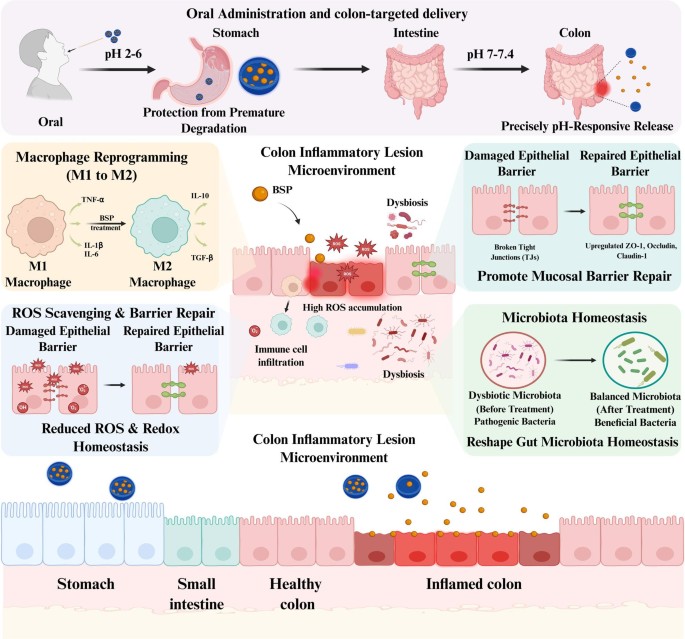
The study describes a new oral, colon‑targeted delivery system that improved outcomes in a mouse model of ulcerative colitis and shifted immune and microbiome markers—research that could inform future therapies focused...
The study presents preclinical data that an orally delivered biotherapeutic (EPICERTIN) promotes epithelial repair and reduces inflammation in a UC-relevant mouse model — a potential step toward therapies that directly...
The probe targets azoreductase-driven hypoxia, a mechanism linked to ulcerative colitis and other hypoxia-associated diseases; a reliable real-time imaging method could help research and eventually guide treatments.