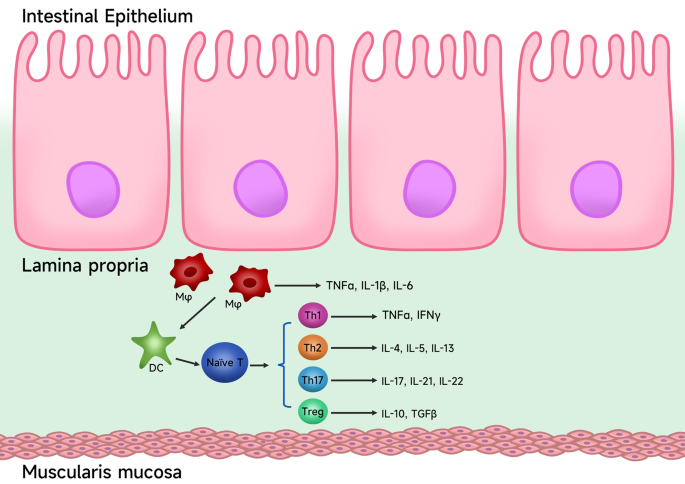
Understanding PTMs may help researchers identify new biomarkers or therapeutic targets for ulcerative colitis, which could eventually lead to better treatments or tests. For people with UC, this explains part of why research is focusing on molecular regulation of immune and barrier functions.
Who Should Pay Attention
Researchers studying IBD mechanisms or drug discovery, clinicians interested in emerging molecular insights in UC, and patients curious about future directions in UC research.
Study Snapshot
Story typeResearch paper
Evidence typeResearch paper
Source depthMetadata only
What To Know
This is a scientific review synthesizing basic and translational studies rather than reporting a new clinical trial. It outlines molecular mechanisms by which PTMs can alter protein function and immune signaling in the colon, and discusses links to epithelial integrity and microbiota interactions.
If you are a patient, clinician, or researcher, the article may help explain why investigators are exploring molecular-level targets beyond classical cytokines or immune cells. It does not provide clinical recommendations or validated new treatments; rather, it points to pathways that could inform future biomarker or drug-discovery work.
Keep In Mind
This is a literature review published in an academic journal; it synthesizes preclinical and clinical studies but does not present a new clinical trial. Translational or clinical utility of PTM-based targets remains to be established.
Source Details
Review the original publication for the complete reporting, methods, and context.
This Cure8 brief is based on source text from the linked article. Cure8 is informational only and is not a substitute for professional medical advice, diagnosis, or treatment.
Researchers used genetics, microbiome, metabolism, and immune profiling together to nominate biological pathways and a four-gene signature that might help diagnose or explain ulcerative colitis. If validated later, these...
The review highlights how microbial metabolites, epigenetic regulation, and mitochondrial metabolism interact to shape inflammation and barrier function in IBD. Understanding these links could help identify new...
The study synthesizes many stool metagenomes to find consistent microbial species, functional pathways, and strain-level differences linked to IBD and to distinctions between Crohn’s disease and ulcerative...