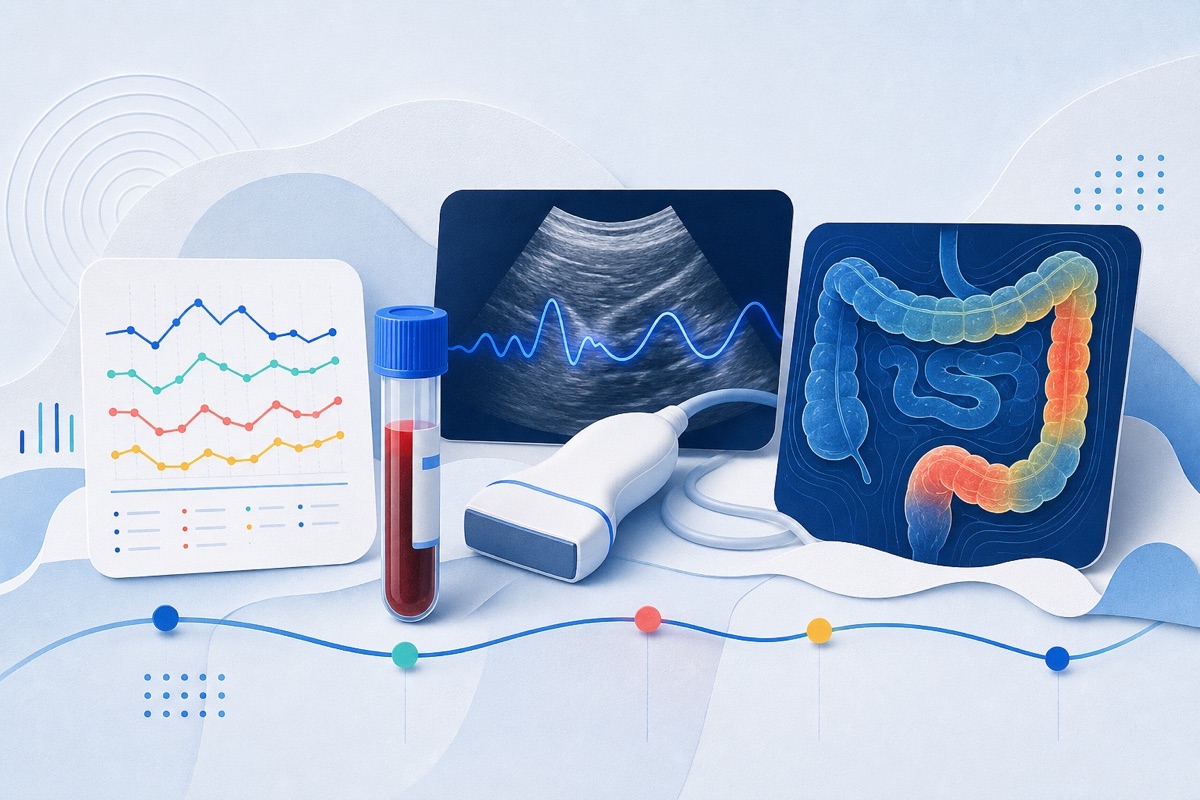
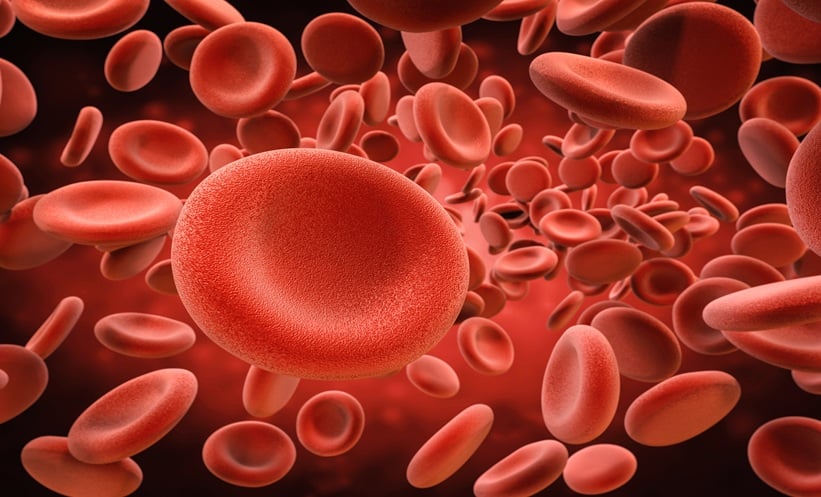
RDW is part of a routine complete blood count and, if reliably associated with IBD activity, could offer a low-cost, widely available adjunctive biomarker for detecting disease and monitoring activity.
Who Should Pay Attention
Clinicians, IBD researchers, adult patients and caregivers interested in noninvasive biomarkers and blood-test monitoring
Study Snapshot
Story typeResearch paper
Evidence typeResearch paper
Source depthJournal abstract
What To Know
The paper pooled data from multiple studies and found elevated RDW in Crohn’s disease and ulcerative colitis compared with controls, and higher RDW in active versus inactive disease. The authors highlight RDW as an inexpensive, widely available biomarker that showed moderate-to-good diagnostic performance in pooled analyses.
RDW would be considered alongside other clinical information and tests (symptoms, CRP, fecal calprotectin, endoscopy) rather than as a sole diagnostic tool. Details such as exact pooled effect sizes, study heterogeneity, and the types of populations studied are important to review in the full paper before applying findings to individual care.
Keep In Mind
This summary is based on the article abstract and pooled analysis reported by the authors. RDW is a non-specific marker and can be affected by anemia and other conditions; clinical use would require considering other tests and patient context. Review the full paper for details on study quality, populations, and heterogeneity before changing practice.
Source Details
Review the original publication for the complete reporting, methods, and context.
This Cure8 brief is based on source text from the linked article. Cure8 is informational only and is not a substitute for professional medical advice, diagnosis, or treatment.
The review suggests RDW, an inexpensive and widely available blood test parameter, is higher in IBD and correlates with disease activity—meaning it might help clinicians monitor disease alongside other tests.
RDW is a cheap, routinely measured blood parameter; if it reliably reflects IBD presence or activity, it could be an easy additional tool to help detect flares or support assessment without extra testing.
IBD-U means no clear Crohn’s or ulcerative colitis diagnosis yet — that uncertainty can affect treatment decisions and follow-up. The review highlights tests that may help clarify diagnosis and stresses that many...