medscape.com
Cure8 news brief
Two Dietary Fibers May Cut Crohn’s Risk in Certain Patients
Diet and lifestyle
Microbiome
Biomarkers
Fecal calprotectin
CRP
Clinical study
Adult patients
Parents Caregivers
Cure8 news brief
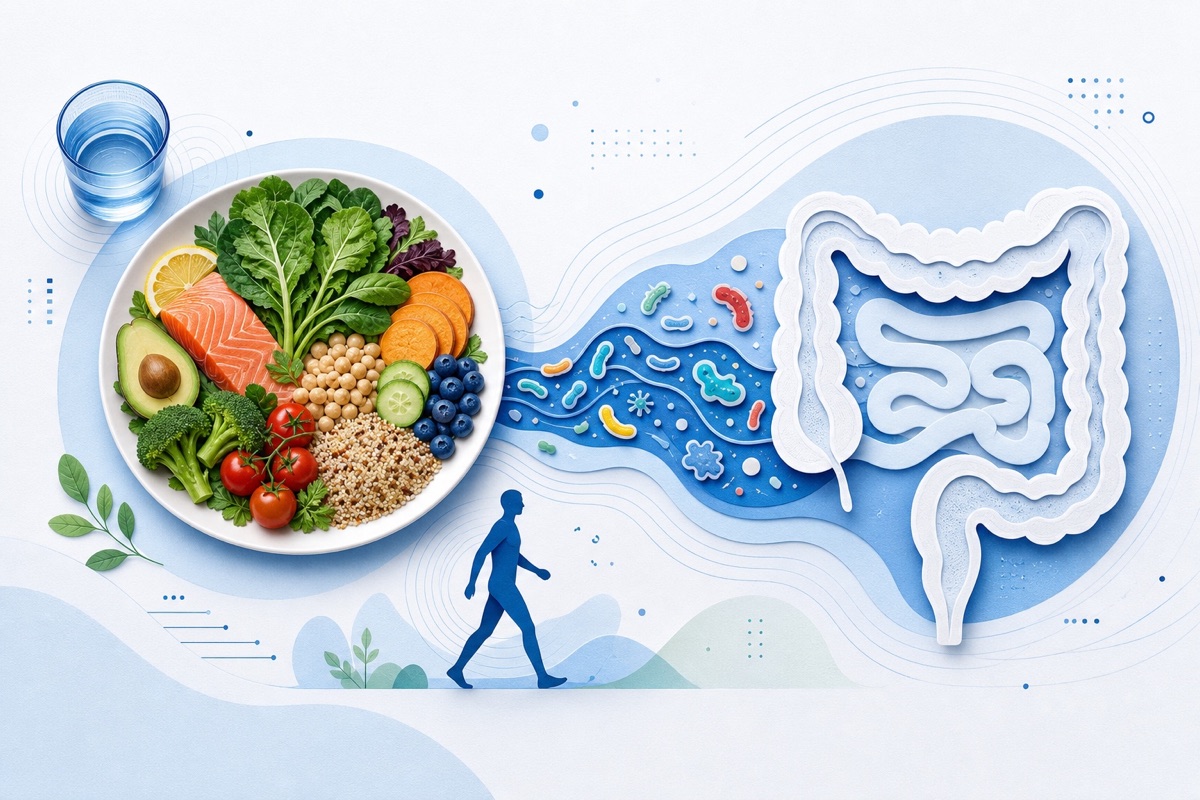
This study suggests that higher intake of specific fibers (beta‑glucan and inulin) may be linked to lower Crohn’s risk in people with a family history, and it connects those fibers to biomarkers of inflammation, barrier function, and microbiome features that are relevant to IBD.
First‑degree relatives of people with Crohn’s disease, clinicians who counsel at‑risk patients, IBD researchers, and patients interested in diet and microbiome links to disease risk.
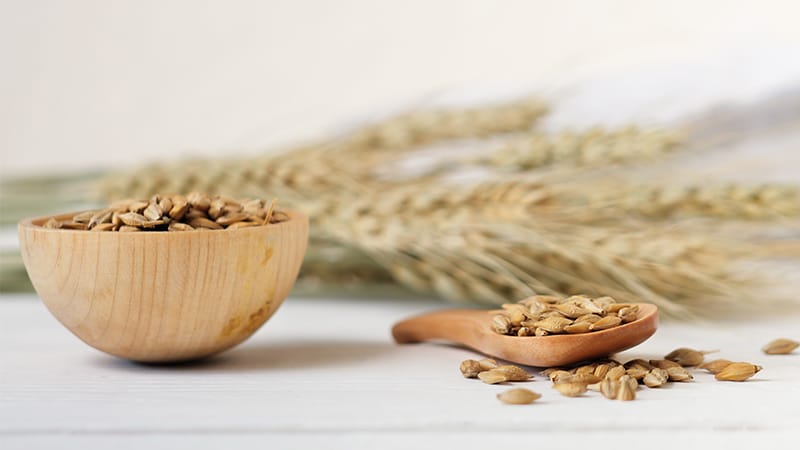
A new cohort analysis of first-degree relatives (FDRs) of people with Crohn’s disease found higher habitual intakes of two specific fiber subtypes — beta‑glucan and inulin — were associated with about a 30% lower risk of developing Crohn’s disease over follow-up.
The study used food frequency questionnaires to estimate intake and included biomarker and stool microbiome analyses in a nested case–control subset.
Higher inulin and beta‑glucan intake were also linked to lower serum CRP, better intestinal permeability by lactulose‑to‑mannitol ratio, and reductions in a microbiome signal (notably Ruminococcus torques) previously tied to later Crohn’s risk. The authors and the Medscape report note that these are associations and do not establish causation.
Limitations include reliance on FFQs and food composition datasets that may misclassify fiber subtypes, potential residual confounding, and that the findings come from FDRs (people at elevated baseline risk), so generalizability may be limited.
If you’re considering dietary changes, discuss them with your care team — this study suggests promising directions for research but does not provide definitive clinical recommendations.
The report is based on observational data and FFQs, so associations could reflect other differences in diet or lifestyle. Results were from an elevated‑risk cohort (FDRs) and need replication and interventional testing before being used for clinical guidance.
Review the original publication for the complete reporting, methods, and context.
This Cure8 brief is based on source text from the linked article. Cure8 is informational only and is not a substitute for professional medical advice, diagnosis, or treatment.
Diet is a modifiable factor that may influence inflammation and the gut microbiome. If the Mediterranean diet is linked with lower disease activity and inflammatory markers in newly diagnosed Crohn’s disease, patients...
If you have Crohn’s disease, this study suggests following a Mediterranean-style diet may be linked with lower inflammation and a gentler disease course, and it could positively change the gut microbiome and metabolites.
New oral TYK2 inhibitor data show promise on endoscopic healing and inflammatory markers in Crohn’s disease, which is important because oral treatment options are limited. However, the trial missed its main symptom-based...