Cure8 research brief
Why This Matters
People with IBD may be interested because the article describes a potential new probiotic genus (Weissella) that has preclinical effects on inflammation and mucosal healing—areas relevant to managing flares and intestinal barrier health. However, human data are limited.
Who Should Pay Attention
Researchers studying microbiome or probiotic therapies, clinicians following emerging IBD treatments, and informed patients interested in microbiome research and future probiotic options.
Study Snapshot
What To Know
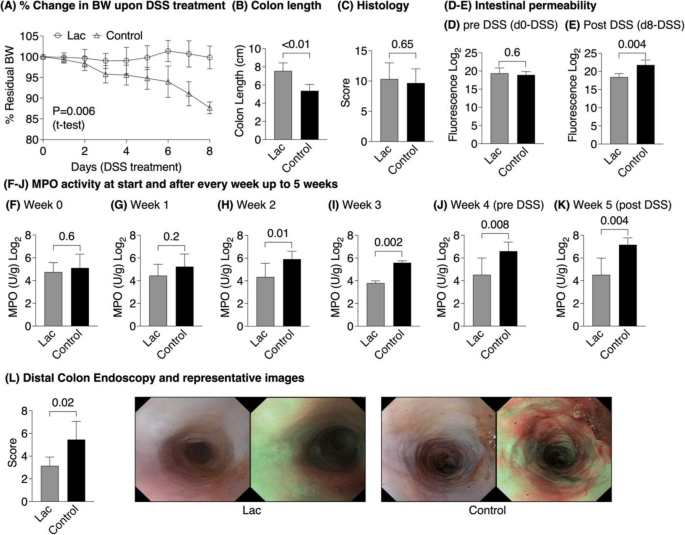
The review brings together lab and animal-model findings suggesting Weissella strains can lower pro‑inflammatory cytokines, strengthen tight junctions, and aid goblet cell recovery—mechanisms relevant to IBD. These findings are preclinical and do not establish efficacy or safety in people with IBD.
Important gaps remain: few comprehensive safety studies, scarce human clinical data, and the need to define optimal strains, doses, and delivery as part of multi‑strain probiotic formulations. Until clinical trials are done, Weissella should be considered an investigational probiotic candidate.
Practical takeaways: this article is useful for researchers and clinicians tracking emerging microbiome‑based therapies; it is not a basis for changing patient care or starting new treatments without clinical trial evidence.
Keep In Mind
This is a review summarizing preclinical and mechanistic studies (abstract provided). It does not report results from human clinical trials; safety and efficacy in people with IBD remain unestablished. The article identifies research gaps and calls for clinical evaluation.
Source Details
Review the original publication for the complete reporting, methods, and context.
Conflict statement: Declarations. Conflict of interest: All authors have no conflict of interests to declare.
This Cure8 brief is based on source text from the linked article. Cure8 is informational only and is not a substitute for professional medical advice, diagnosis, or treatment.