Is There a Way to Break the Glass Ceiling in the Diagnosis and Treatment of Extraintestinal Manifestations (EIMs) in the Course of Inflammatory Bowel Diseases? A Comprehensive Review of Diagnosis, Pathophysiology, and Treatment of EIM
Extraintestinal manifestations (skin, joint, eye, liver) are common in IBD and can greatly affect quality of life; better recognition and coordinated care can speed diagnosis and improve outcomes.
The review summarizes treatment options and current gaps in evidence, which may guide discussions with clinicians about referral and management.
Who Should Pay Attention
Adult patients with Crohn’s disease or ulcerative colitis, caregivers, gastroenterologists, rheumatologists, dermatologists, ophthalmologists, and researchers studying IBD complications.
Study Snapshot
Story typeResearch paper
Evidence typeResearch paper
Source depthJournal abstract
What To Know
The review presents current evidence that EIMs affect many people with IBD and can precede the intestinal diagnosis; skin, joint, eye, and hepatobiliary manifestations are highlighted. The authors stress early recognition and coordinated referral between specialties to reduce diagnostic delays and improve quality of life.
The paper discusses pathogenic factors (genetic, immunologic, environmental) and highlights emerging therapeutic classes—biologics and small molecules—used to treat EIMs, noting areas where data are limited and multicenter studies are needed.
Practical takeaways include the importance of screening for common EIMs during IBD care and the need for multidisciplinary management; the review does not provide new trial results but synthesizes existing literature.
Keep In Mind
This record is a narrative review (abstract-level content available). It synthesizes existing studies but does not present new trial data. Recommendations emphasize multidisciplinary care and call for more multicenter research; individual treatment decisions should be made with clinicians. SummaryConfidence":"high"
Source Details
Review the original publication for the complete reporting, methods, and context.
This Cure8 brief is based on source text from the linked article. Cure8 is informational only and is not a substitute for professional medical advice, diagnosis, or treatment.
Elevated pancreatic enzymes are relatively common in IBD and can reflect very different conditions (benign asymptomatic elevations, pancreatitis variants, or autoimmune pancreatitis). Recognizing phenotype-specific...
Respiratory diseases (COPD, asthma, bronchiectasis) and IBD appear to occur together more often than expected. If you have IBD, especially Crohn’s, you may be at higher risk for some obstructive lung diseases, and people...
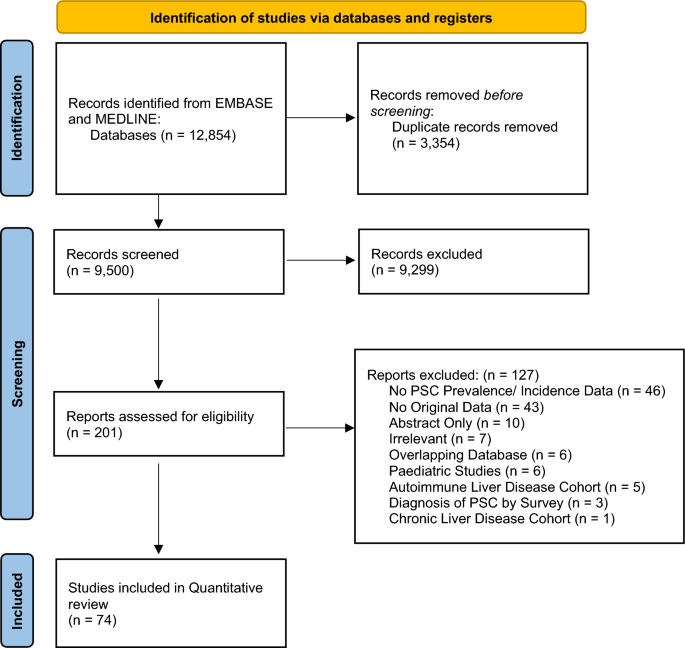
PSC is rare in the general population but substantially more common in people with IBD, particularly ulcerative colitis, and it raises long-term hepatobiliary risks including cholangiocarcinoma—so knowing how often PSC...