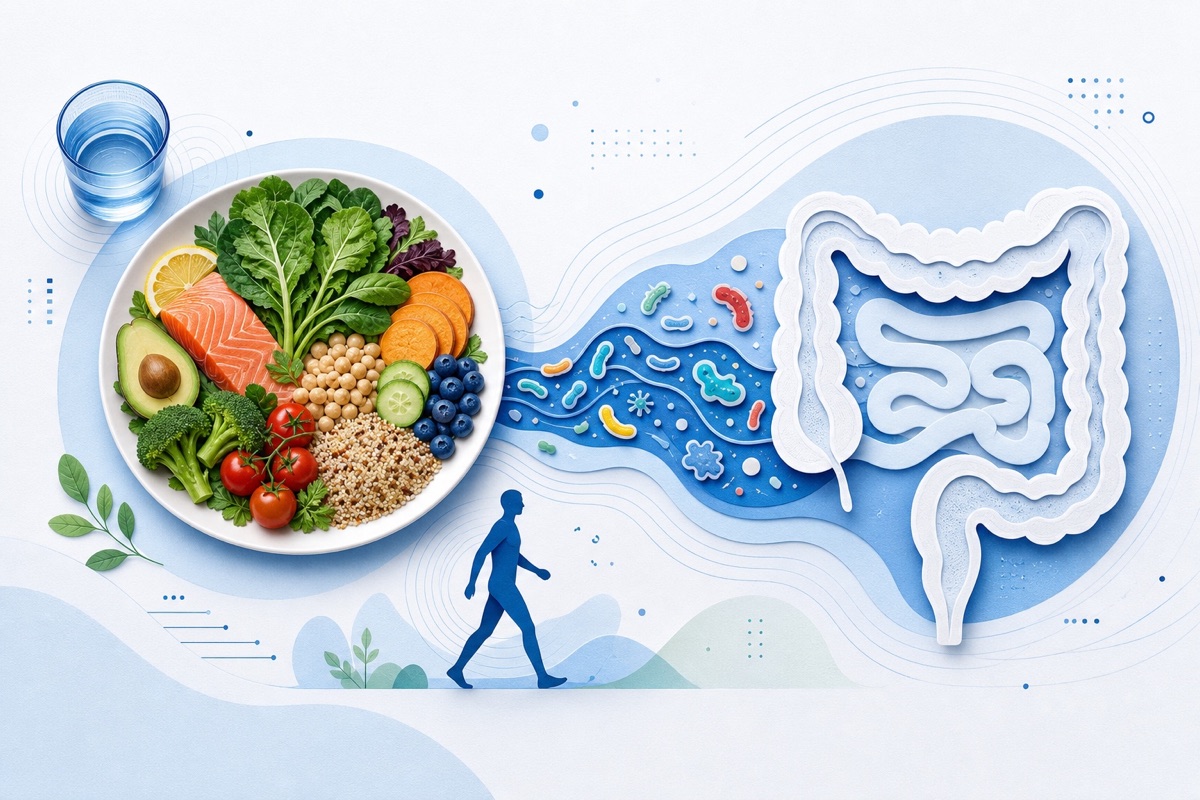
This preclinical study suggests Antarctic krill oil may reduce inflammation and alter the gut microbiome in a mouse model of ulcerative colitis, which could point toward microbiota-targeted nutritional strategies worth further research.
Who Should Pay Attention
Researchers studying IBD, microbiome-targeted therapies, and nutritional interventions; adult patients interested in diet/supplement research (note: animal data only).
Study Snapshot
Story typeResearch paper
Evidence typeResearch paper
Source depthJournal abstract
What To Know
The research used mice (DSS-induced colitis) and multi-omics methods (transcriptomics, metabolomics, 16S rRNA gene sequencing) to explore mechanisms; results suggest AKO influenced the PI3K/Akt pathway, glycerophospholipid-related metabolites, and gut microbial communities. These are preclinical animal findings, not human clinical trial results.
The paper presents experimental evidence supporting the idea that a marine-derived oil may modulate inflammation and the microbiome in this mouse model, which could inform future human-focused research but does not establish safety or efficacy in people. Talk with your care team before making diet or supplement changes based on animal studies.
Keep In Mind
this is an animal (mouse) study using DSS to induce colitis and reports multi-omics associations; it does not provide evidence that Antarctic krill oil is safe or effective for people with UC. Human trials would be needed.
Source Details
Review the original publication for the complete reporting, methods, and context.
Funding disclosed by the source: Chinese Academy of Fishery Sciences - 2023TD52,2023TD76; Yellow Sea Fisheries Research Institute - No. CARS-49; China Agriculture Research System - CARS-49
This Cure8 brief is based on source text from the linked article. Cure8 is informational only and is not a substitute for professional medical advice, diagnosis, or treatment.
This animal study suggests Antarctic krill oil may reduce inflammation and weight loss in a mouse model of ulcerative colitis and works alongside changes in gut microbiota and metabolites—findings that could inform...
The article highlights a reported rise in IBD among young people and reinforces that diet and lifestyle factors may influence risk and flare-ups. It reminds readers that IBD symptoms can be mistaken for common...
The study suggests a fermented seed protein ingredient may reduce inflammation, oxidative stress, and microbiota imbalance in an experimental colitis model — mechanisms relevant to IBD. That could inform future dietary...