Viruses in the gut (including bacteriophages) could influence inflammation and the intestinal barrier in IBD, so understanding the virome may point to new research directions or therapies.
Who Should Pay Attention
Researchers (microbiome/virome), gastroenterologists and IBD clinicians, and patients interested in microbiome research
Study Snapshot
Story typeResearch paper
Evidence typeResearch paper
Source depthJournal abstract
What To Know
This is a review article that synthesizes human and animal studies and clarifies three ways viruses may impact the gut: direct infection of host cells, indirect effects via reshaping bacterial communities, and bidirectional interactions between viruses and microbiota.
The authors note that most current evidence is cross-sectional or from animal models, so causal roles for virome changes in driving IBD remain unresolved.
The review emphasizes bacteriophages as a central focus and outlines gaps in causality, methodological challenges, and possible therapeutic directions being explored, but it does not present new trial results or clinical recommendations.
Keep In Mind
This is a review article summarizing existing human and animal evidence; most evidence is associative or from models, so causal links and clinical applications remain unproven.
Source Details
Review the original publication for the complete reporting, methods, and context.
This Cure8 brief is based on source text from the linked article. Cure8 is informational only and is not a substitute for professional medical advice, diagnosis, or treatment.
Researchers report links between copper-driven cell death pathways and IBD biology; identifying cuproptosis-related biomarkers or drugs could open new diagnostic or therapeutic avenues for people with Crohn's disease or...
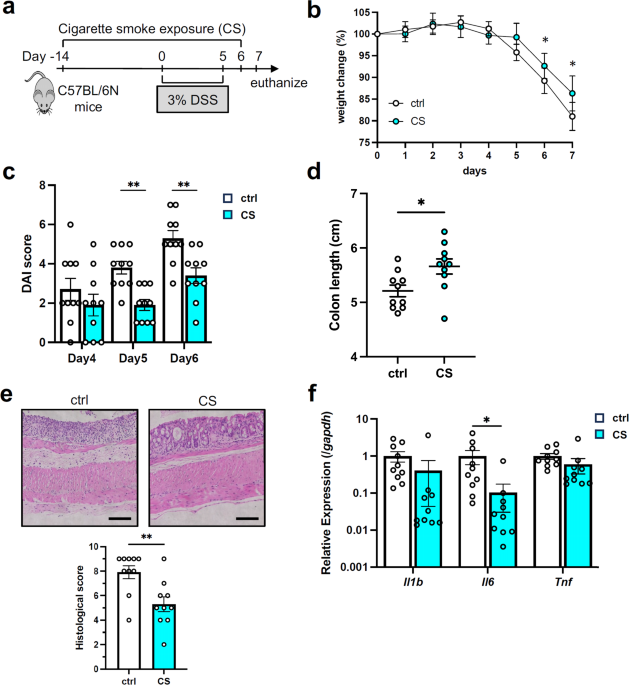
This preclinical study suggests cigarette smoke alters gut microbes and metabolites in ways that can either protect or worsen colitis depending on the model; it identifies 4-HBA as a metabolite that reduced inflammation...
Colon-targeted delivery systems aim to concentrate drugs in the colon, which could improve effectiveness and reduce systemic side effects for IBD and colorectal cancer treatments. Understanding these approaches helps...