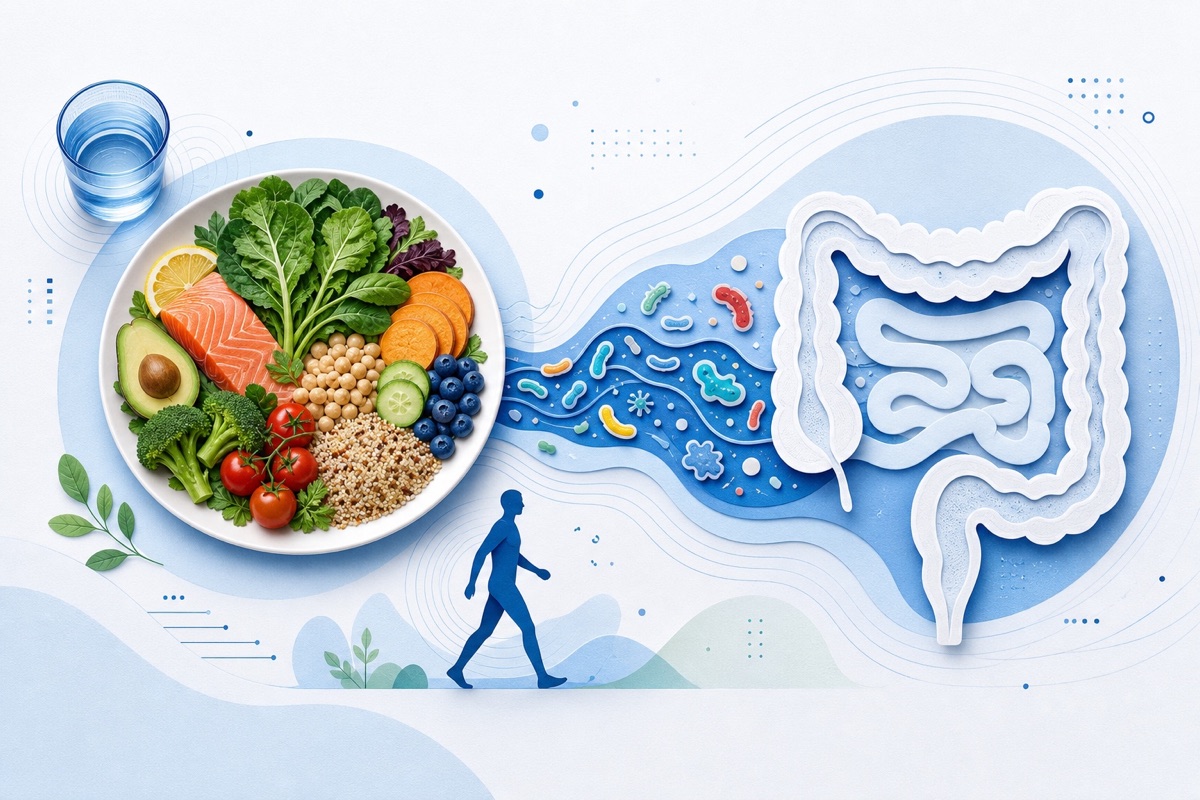
People with IBD are often interested in how dietary fibers and the microbiome might influence inflammation.
This mouse study suggests a specific prebiotic (resistant maltodextrin) increased butyrate and a beneficial bacterium and lessened experimental colitis, pointing to mechanisms that could be relevant for prevention or maintenance strategies.
Who Should Pay Attention
Researchers studying the microbiome, prebiotics, and IBD; clinicians interested in diet–microbiome interventions; and patients curious about how dietary fiber might affect gut inflammation (with the caveat this is preclinical).
Study Snapshot
Story typeResearch paper
Evidence typeResearch paper
Source depthJournal abstract
What To Know
This animal study abstract reports that preventive dietary supplementation with resistant maltodextrin (RMD) for 28 days reduced severity of dextran sulfate sodium (DSS)-induced colitis in female mice.
The authors measured disease activity index, body weight loss, and colon length, and found higher short-chain fatty acids (notably butyrate) and a trend toward increased abundance of the bacterium Fusicatenibacter saccharivorans after RMD. The abstract links higher butyrate and F. saccharivorans to milder colitis measures.
The findings come from an experimental mouse model (DSS-induced colitis), not from human trials. That means the results show a possible mechanism—fiber fermentation raising butyrate and changing gut bacteria—that might protect against inflammation in this model, but they do not establish safety or effectiveness in people with UC or IBD.
If you are curious about diet and fiber for IBD, this adds to preclinical evidence that certain soluble fibers can influence gut microbes and metabolites in ways that reduce inflammation in mice. However, clinical recommendations or changes to therapy should be based on human studies and discussed with a clinician.
The study used preventive (pre-treatment) feeding before inducing colitis, so the design tests prevention rather than treatment of active disease.
Keep In Mind
This is an abstract of a preclinical animal experiment (DSS-induced colitis in mice). Animal model results do not directly translate to human treatment or prevention. The intervention was preventive (given before colitis induction), so it does not address treating active UC. Larger, controlled human studies would be required to evaluate safety and efficacy in people.
Source Details
Review the original publication for the complete reporting, methods, and context.
This Cure8 brief is based on source text from the linked article. Cure8 is informational only and is not a substitute for professional medical advice, diagnosis, or treatment.
This preclinical study suggests Antarctic krill oil may reduce inflammation and alter the gut microbiome in a mouse model of ulcerative colitis, which could point toward microbiota-targeted nutritional strategies worth...
This animal study suggests Antarctic krill oil may reduce inflammation and weight loss in a mouse model of ulcerative colitis and works alongside changes in gut microbiota and metabolites—findings that could inform...
The article highlights a reported rise in IBD among young people and reinforces that diet and lifestyle factors may influence risk and flare-ups. It reminds readers that IBD symptoms can be mistaken for common...