
bioengineer.org
Cure8 news brief
Cure8 news brief
The study provides first human evidence that a single colonoscopic FMT can eradicate mucosal adherent-invasive E. coli (AIEC), a bacterium linked to Crohn’s disease, and it shows associated shifts in mucosal microbiota and inflammation markers.
That suggests microbiome-based approaches might target specific pathobionts in IBD.
Patients with Crohn’s disease (especially ileal disease), gastroenterologists/IBD clinicians, microbiome researchers, and people interested in investigational microbiome therapies.
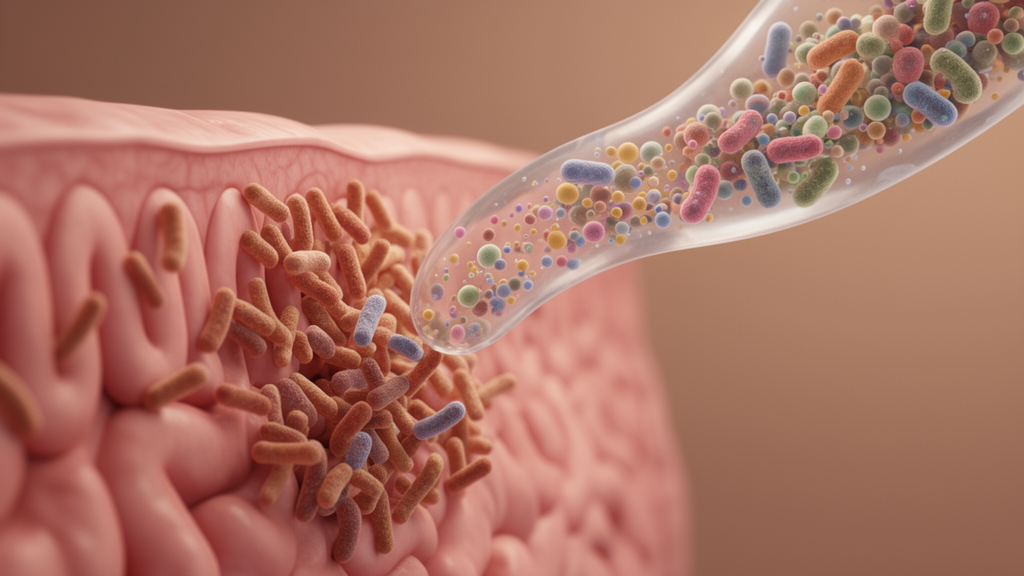
A small open-label pilot study reported that a single colonoscopic fecal microbiota transplant (FMT) delivered into the terminal ileum cleared adherent-invasive Escherichia coli (AIEC) from ileal biopsies in the eight evaluable Crohn’s patients who were AIEC-positive at baseline.
The trial (registered as NCT05611866) prioritized safety; two mild-to-moderate adverse events were recorded and no FMT-related serious adverse events were reported. The investigators used ileal biopsies, fecal metagenomics, and 16S profiling to compare mucosal and stool communities before and after the procedure.
They observed increased ileal mucosal diversity after FMT, declines in mucosa-associated Escherichia-Shigella and other pathobionts, and shifts in fecal taxa and metabolic pathways that the authors link to donor engraftment and functional convergence. The report is an early-phase, small pilot clinical study rather than a definitive treatment trial.
The primary outcome was safety and the follow-up described covers twelve weeks; longer-term effects, reproducibility across donors and centers, and clinical benefit measures require larger controlled trials. This summary is grounded in the article’s full text and the authors’ presentation of methods and results.
Small open-label pilot (N=30 enrolled; 8 evaluable AIEC-positive patients showed clearance at 12 weeks). Primary outcome was safety; follow-up and sample size limit conclusions about long-term benefit or generalizability. Summary is based on the article’s full-text report of the published study.
Review the original publication for the complete reporting, methods, and context.
This Cure8 brief is based on source text from the linked article. Cure8 is informational only and is not a substitute for professional medical advice, diagnosis, or treatment.
This study reports real-world outcomes with granulocyte and monocyte adsorptive apheresis (GMA) in patients with refractory IBD, showing steroid-free remission by week 14 in about one-third of patients and continued...
If you had bowel surgery for Crohn’s disease and develop postoperative anastomotic bleeding, this study suggests endoscopic treatment can stop bleeding in most patients and may avoid another operation. Patients who need...
Long-term results suggest endoscopic approaches—especially balloon dilatation—help many people with Crohn’s strictures avoid surgery and have fewer severe complications compared with surgical treatment.
