This review explains how new drug classes and mechanism-focused strategies may change how IBD is treated, which could affect choices for patients who have not responded to existing therapies and inform discussions about sequencing and combination approaches.
Who Should Pay Attention
Clinicians treating IBD, researchers developing or studying IBD therapies, and patients (or caregivers) interested in treatment options, especially those on biologics or with refractory disease.
Study Snapshot
Story typeResearch paper
Evidence typeResearch paper
Source depthJournal abstract
What To Know
This is a review article summarizing the contemporary and emerging therapeutic landscape in inflammatory bowel disease (IBD). It highlights the growing role of mechanism-based treatment positioning, with selective IL-23 inhibitors framed as foundational therapies and oral small molecules (JAK inhibitors, S1P modulators) expanding options.
The review also discusses emerging targets such as TL1A, approaches to fibrosis, and the potential for combination strategies to address refractory disease.
The authors note key clinical challenges that remain: optimal sequencing of therapies, choosing the right drug for individual patients, long-term safety, and whether treatments can achieve disease modification. The review draws on pivotal trials, long-term extensions, comparative studies, and real-world evidence to support its synthesis.
Practical takeaways include that treatment choice in IBD is increasingly driven by mechanism and comparative effectiveness rather than just availability, and that newer agents and strategies aim to overcome the current “therapeutic ceiling,” particularly for patients with refractory disease.
Keep In Mind
Structured content depth: abstract — the Cure8 brief is based on the article abstract and metadata provided by PubMed, not a full independent appraisal of the entire paper. Reviews synthesize available evidence but do not present new trial results.
Source Details
Review the original publication for the complete reporting, methods, and context.
This Cure8 brief is based on source text from the linked article. Cure8 is informational only and is not a substitute for professional medical advice, diagnosis, or treatment.
If you or someone you care for is not responding to anti‑TNF drugs for ulcerative colitis, this review explains biological reasons why that may happen and points toward research directions that could lead to better tests...
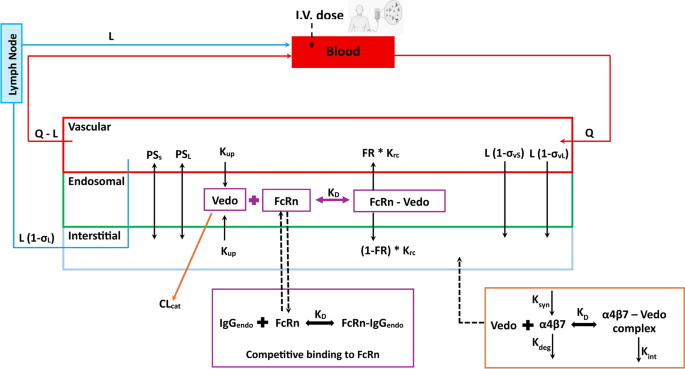
Vedolizumab blood levels can vary with disease activity; a model that links intestinal α4β7 expression to drug exposure helps explain why some patients have lower drug levels and may need different dosing. This could...
The project investigates how TNFR1 and TNFR2 differently control epithelial repair in the colon—mechanisms that may explain why many patients on anti‑TNF biologics do not achieve lasting mucosal healing and could point...