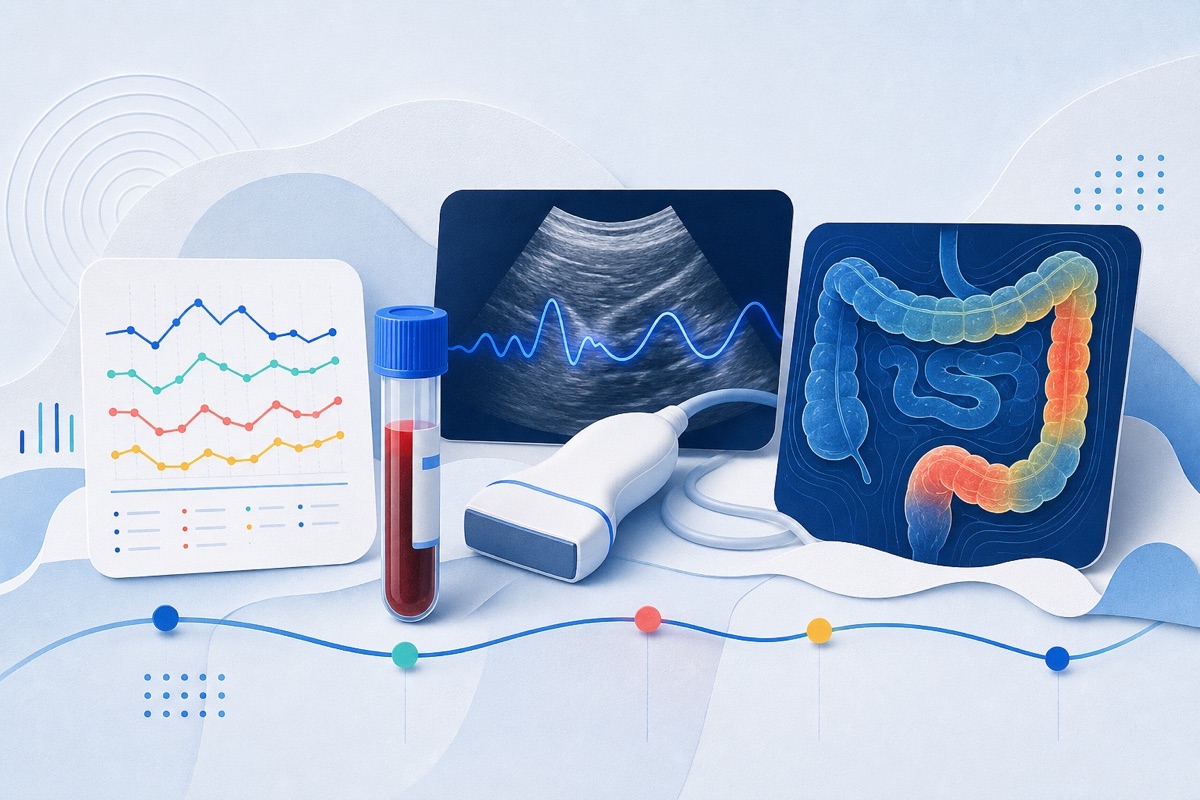
Capsule endoscopy can safely help diagnose small-bowel disease in very young children, including cases of suspected IBD, and may be particularly helpful when blood tests or imaging suggest inflammation or low albumin. Early diagnosis can change management.
Who Should Pay Attention
Pediatric patients with suspected small-bowel disease or IBD, parents/caregivers of preschool children undergoing GI evaluation, and pediatric gastroenterologists.
Study Snapshot
Story typeResearch paper
Evidence typeResearch paper
Source depthJournal abstract
What To Know
This multicenter retrospective study from eight pediatric hospitals in China evaluated capsule endoscopy in 155 preschool children (<6 years) who underwent the test between 2020 and 2025. The most common reason for testing was chronic abdominal pain; suspected IBD, GI bleeding, and unexplained anemia were other indications.
Abnormal findings were reported in 69 children, and capsule endoscopy established a definitive diagnosis in 55 children (diagnostic yield 35.5%). Capsule retention occurred in three patients and was associated with underlying Crohn’s disease.
About one-third of children swallowed the capsule; the remainder required endoscopic placement, which achieved a 100% delivery success rate. Higher diagnostic yield was associated with elevated inflammatory markers (CRP, ESR), lower albumin, and bowel wall thickening on imaging.
The authors conclude capsule endoscopy is safe in preschool children and useful for assessing small-bowel lesions when inflammatory markers, low albumin, or radiographic thickening are present. This summary is grounded in the article abstract provided by the journal (structured content depth: abstract).
I did not review the full paper beyond the supplied text.
Keep In Mind
This is a retrospective multicenter study summarized from the article abstract. Capsule retention is uncommon but occurred in children with Crohn’s disease; endoscopic placement was commonly used to ensure delivery. Diagnostic yield was modest (about one-third). Findings come from the abstract; consult the full paper and your clinician for clinical decisions.
Source Details
Review the original publication for the complete reporting, methods, and context.
This Cure8 brief is based on source text from the linked article. Cure8 is informational only and is not a substitute for professional medical advice, diagnosis, or treatment.
The study suggests most adults with chronic diarrhea in this tertiary setting had organic/inflammatory disease and identifies accessible clinical and lab predictors that could help prioritize endoscopic evaluation.
Blood markers that correlate with endoscopic healing could help track inflammation noninvasively and may reduce the frequency of endoscopy if validated. For people with IBD, better blood-based tools could make monitoring...
Noninvasive blood biomarkers that track IBD activity could reduce reliance on repeat endoscopy. If validated, serum galectin‑3 might complement fecal calprotectin and CRP to help identify active disease.