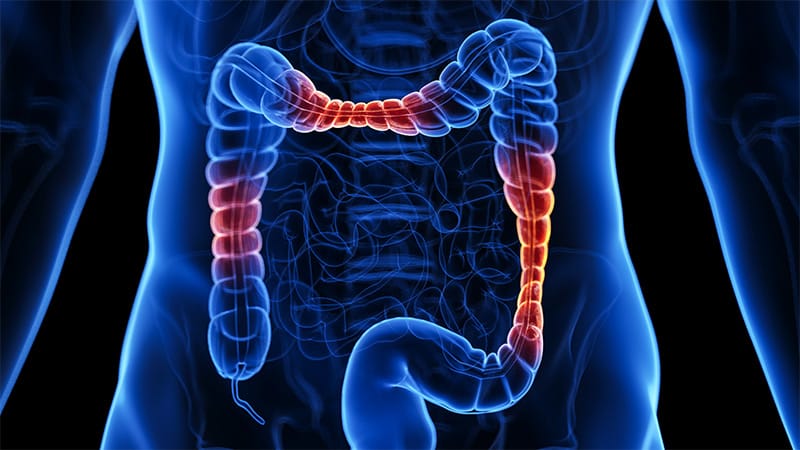
The findings suggest blood DNA methylation changes may mark UC long before symptoms start; that could eventually enable earlier risk identification or research into preventing progression to symptomatic disease.
Who Should Pay Attention
Researchers studying IBD biomarkers and disease mechanisms, clinicians interested in early-detection approaches for UC, and patients and advocates following advances in IBD prediction and prevention research.
Study Snapshot
Story typeResearch news
Evidence typeClinical study
Source depthFull source text
What To Know
Researchers used a nationwide prospective cohort with baseline whole-blood DNA methylation measured years before diagnosis.
Epigenome-wide analysis found 16 methylation changes that preceded ulcerative colitis diagnosis and yielded a prediction model with an AUC of 0.85 for future UC; models did not predict irritable bowel syndrome or rheumatoid arthritis, suggesting disease specificity.
The study detected fewer and weaker preclinical signals for Crohn’s disease, likely reflecting smaller case numbers for CD in this cohort. One methylation change previously reported in other studies was observed up to a median of 4 years before Crohn’s diagnosis.
Next steps include replication in other cohorts and investigation of whether these methylation changes are causal, reflect early immune changes, or could be combined with other markers for screening or prevention trials.
Keep In Mind
This is a single cohort study reported as a research letter in Gastroenterology. Results are promising but require replication in independent cohorts and deeper study before clinical use. The study had relatively small numbers for Crohn’s disease, which limits conclusions for CD.
Source Details
Review the original publication for the complete reporting, methods, and context.
Clinical studyArticle type assigned from Cure8 classification; confirm details in the original source.
Publicationmedscape.com
Indexed viaGoogle News
Source typeWeb article
PublishedAug 31, 2026, 2:09 PM
Content availableFull source text
This Cure8 brief is based on source text from the linked article. Cure8 is informational only and is not a substitute for professional medical advice, diagnosis, or treatment.
This research suggests genetic risk scores could help identify people with IBD who are more likely to have severe disease, which might eventually inform earlier monitoring or treatment decisions. It’s a step toward more...
A genetic marker (HLA-DRB1*01:03) was linked to more severe IBD outcomes—higher rates of colectomy/colonic surgery, more perianal disease, earlier use and higher failure of advanced therapies—which could help explain...
This paper explores whether polygenic risk scores (PRS) predict key long-term outcomes after IBD diagnosis — notably intestinal surgery — which could be relevant for risk stratification research and future clinical tools...