Georgian medical news
Cure8 research brief
Cure8 research brief
Preclinical research suggests acebrophylline might reduce inflammation and oxidative stress in an experimental mouse model of ulcerative colitis, which could be an early step toward new treatments that target multiple disease pathways.
This is animal research only, so it does not show whether the drug is safe or effective in people with IBD.
Researchers studying IBD drug discovery, clinicians interested in emerging preclinical therapeutics, and patients or advocates who follow experimental treatments (for informational purposes).
This is an abstract of an animal study testing acebrophylline in a mouse model of DSS-induced ulcerative colitis. Researchers gave prophylactic doses (5 and 10 mg/kg) and compared effects with a sulfasalazine reference group.
Outcome measures included disease activity index, histology, colonic cytokines (TNF-α, IL‑1β, IL‑6, IL‑10) and oxidative-stress markers (MDA, MPO, SOD, GSH). The higher dose produced larger reductions in pro-inflammatory cytokines and improvements in antioxidant markers and histology.
The report comes from an abstract-level source record (Europe PMC) describing preclinical animal work rather than human clinical data. It suggests acebrophylline reduced inflammation and oxidative stress in this experimental UC model, but does not provide safety or efficacy data for people with IBD.
If you’re tracking research on new IBD drug candidates, this study flags acebrophylline as an investigational compound with multimodal anti-inflammatory and antioxidant effects in mice. It does not change clinical care or replace approved therapies.
Structured content depth: abstract — the summary is based on the source-provided abstract describing an animal (DSS-mouse) study. Findings are preclinical and have not been validated in human trials; do not interpret this as evidence for clinical use.
Review the original publication for the complete reporting, methods, and context.
This Cure8 brief is based on source text from the linked article. Cure8 is informational only and is not a substitute for professional medical advice, diagnosis, or treatment.
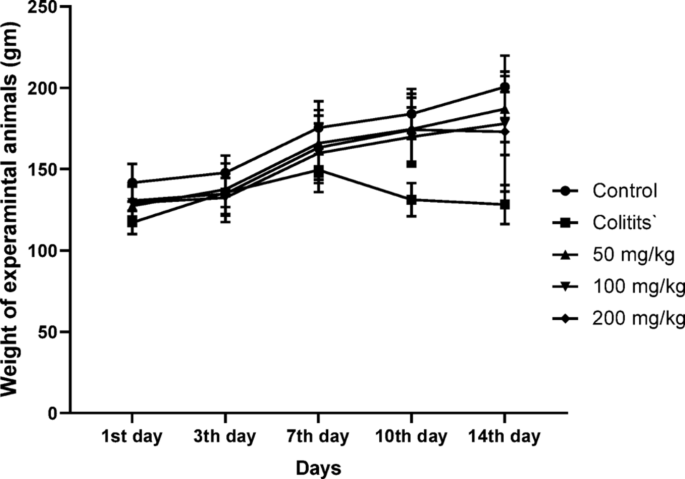
This animal study suggests date palm pollen extract reduced inflammation and tissue damage in a rat model of colitis, which could point to new lines of research into dietary supplements or natural compounds for gut...
If you follow IBD research, this study suggests a heat-stabilized (nonviable) multi-strain bacterial product reduced inflammation and improved some disease measures in a mouse model of ulcerative colitis — a step that...
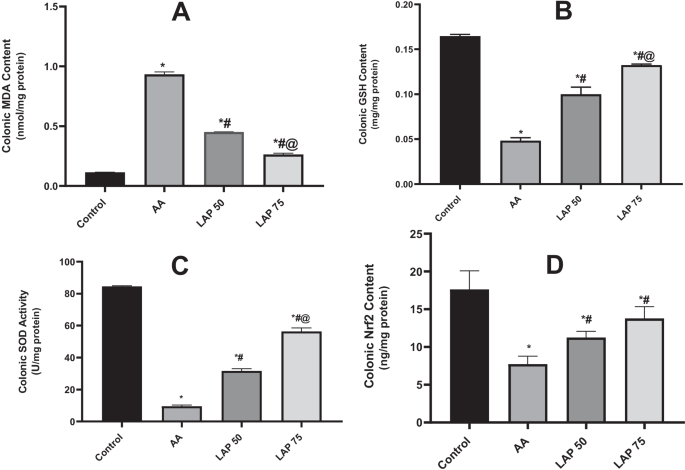
This study suggests the cancer drug lapatinib reduced colon damage and liver changes in a rat model of chemical colitis, which could point to new research directions for IBD treatments or gut–liver injury mechanisms.