This animal study suggests date palm pollen extract reduced inflammation and tissue damage in a rat model of colitis, which could point to new lines of research into dietary supplements or natural compounds for gut inflammation.
Patients with IBD should view it as early-stage laboratory evidence rather than proof of benefit in people.
Who Should Pay Attention
Researchers studying natural products, preclinical IBD therapeutics, and clinicians interested in dietary-supplement research; patients curious about emerging natural-product research (not for clinical use).
Study Snapshot
Story typeResearch paper
Evidence typeResearch paper
Source depthJournal abstract
What To Know
This paper reports an animal (rat) study testing ethanolic extracts of date palm pollen (DPPE) in acetic acid–induced colitis.
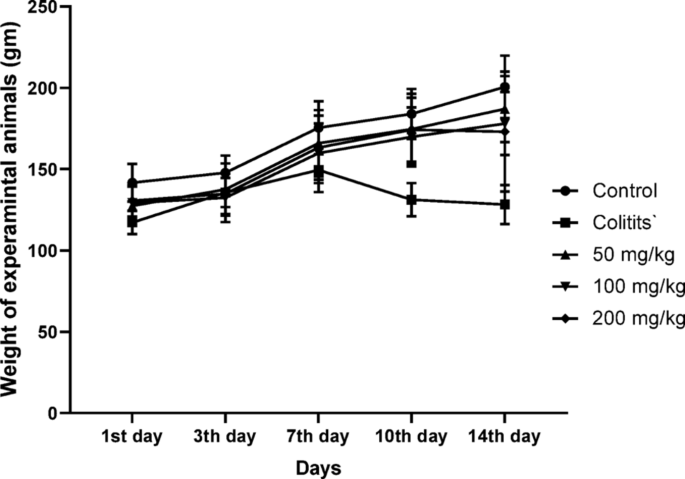
Researchers treated colitis and control groups with three DPPE doses for 14 days and measured weight change, inflammatory cytokines (TNF-α, IL-6, IL-1β, NF-κB), oxidative-stress markers (GST, H2O2, MDA), white-blood-cell counts, fecal blood, and colon histology.
Compared with untreated colitis rats, DPPE-treated animals had lower pro-inflammatory markers, reduced oxidative stress, and improved colon tissue appearance. The study is preclinical and conducted in a specific rat colitis model (acetic-acid induction).
Findings show potential anti-inflammatory and antioxidant effects of DPPE in that model, but they are not clinical evidence that the extract will be safe or effective in people with IBD. The extract’s composition, optimal dosing for humans, long-term safety, and mechanisms relevant to human IBD remain untested.
If you’re curious about natural or dietary supplements, this work is an early, preclinical signal that merits further research (for example, mechanistic studies and ultimately human clinical trials) rather than a basis for changing treatment.
Keep In Mind
Results come from an acetic-acid–induced colitis model in rats and represent preclinical data; the paper is not a clinical trial and does not establish safety or efficacy in humans. Further work (pharmacology, safety, and clinical trials) would be required before any clinical recommendations.
Source Details
Review the original publication for the complete reporting, methods, and context.
Funding disclosed by the source: Helwan University
This Cure8 brief is based on source text from the linked article. Cure8 is informational only and is not a substitute for professional medical advice, diagnosis, or treatment.
Fibrosis and stricturing are key problems in Crohn’s disease with limited therapies; this study identifies a microbiota–bile acid–GPBAR1 pathway by which a specific probiotic mix reduced inflammation and fibrosis in...
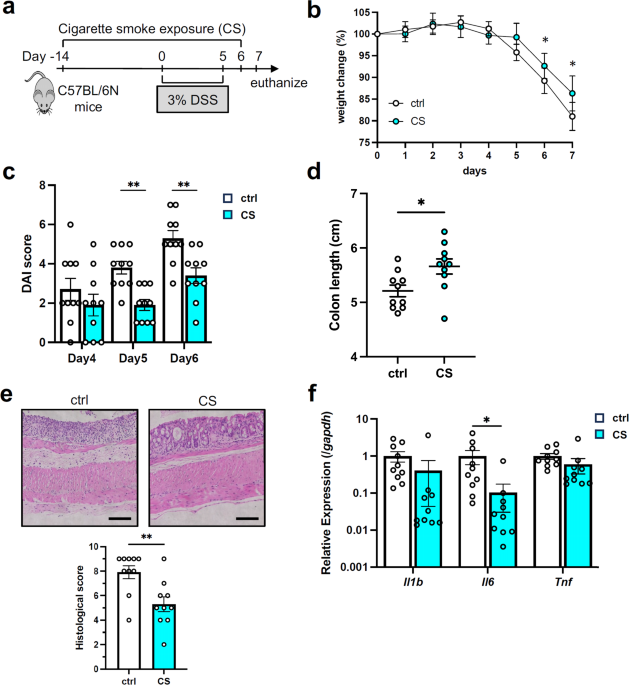
This preclinical study suggests cigarette smoke alters gut microbes and metabolites in ways that can either protect or worsen colitis depending on the model; it identifies 4-HBA as a metabolite that reduced inflammation...
The study suggests a new host-directed mechanism that helps a common beneficial gut bacterium (Faecalibacterium prausnitzii) colonize and protect the gut lining, and identifies heparan sulfate as a potential way to...