Finds a possible pathway—bacterial-triggered neutrophil NETs carried in vesicles activating AIM2—that may worsen ulcerative colitis and could point to new drug or biologic targets.
Who Should Pay Attention
Researchers studying IBD immunology or microbiome–host interactions; clinicians interested in emerging mechanisms behind UC inflammation; researchers developing anti-NET or inflammasome-targeting therapies.
Study Snapshot
Story typeResearch paper
Evidence typeResearch paper
Source depthJournal abstract
What To Know
The paper combines bioinformatics analysis of human UC gene expression with microscopy, cell-based experiments, and mouse models to link a bacterial trigger (Fusobacterium nucleatum) to neutrophil activation, NET-containing vesicles, AIM2 inflammasome activation in epithelial cells, and pyroptosis.
The authors present DNase I and an AIM2 inhibitor (A151) as experimental interventions that reduced inflammation in their preclinical models. The work is preclinical mechanistic research: it provides insights into inflammatory pathways that could be explored for future therapies but does not demonstrate safety or effectiveness in people.
The study's interventions were tested in vitro and in mice, not in clinical trials.
Keep In Mind
Results are based on bioinformatics, cell experiments, and mouse models (preclinical). Interventions (DNase I, AIM2 inhibitor A151) were tested experimentally, not in humans.
Source Details
Review the original publication for the complete reporting, methods, and context.
This Cure8 brief is based on source text from the linked article. Cure8 is informational only and is not a substitute for professional medical advice, diagnosis, or treatment.
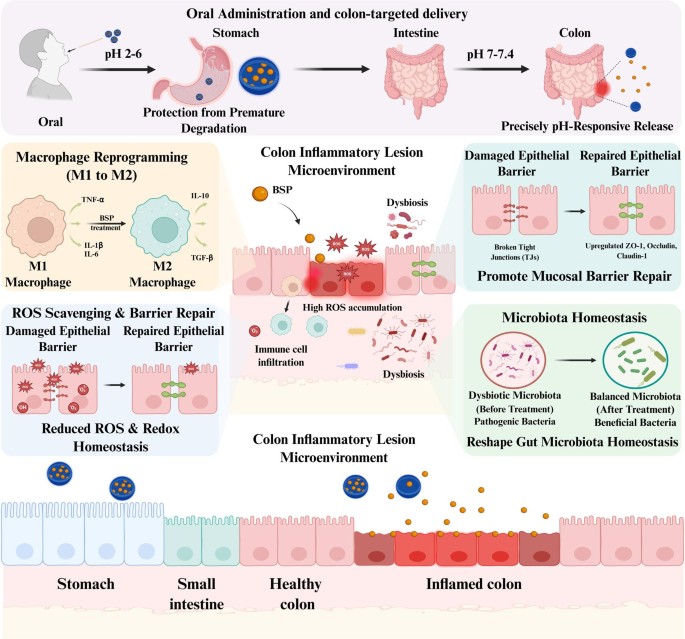
The study describes a new oral, colon‑targeted delivery system that improved outcomes in a mouse model of ulcerative colitis and shifted immune and microbiome markers—research that could inform future therapies focused...
The study presents preclinical data that an orally delivered biotherapeutic (EPICERTIN) promotes epithelial repair and reduces inflammation in a UC-relevant mouse model — a potential step toward therapies that directly...
The probe targets azoreductase-driven hypoxia, a mechanism linked to ulcerative colitis and other hypoxia-associated diseases; a reliable real-time imaging method could help research and eventually guide treatments.