Minerva gastroenterology
Cure8 research brief
Cure8 research brief
This review suggests SSRIs and SNRIs may influence both brain and gut pathways relevant to symptom burden in IBD and DGBI — potentially improving mood, pain, motility, and aspects of inflammation. That could matter for symptom control and integrated care planning, but evidence gaps remain.
Adult patients with IBD or DGBI who have mood or pain symptoms; clinicians (gastroenterologists, psychiatrists, primary care); researchers studying microbiota–gut–brain mechanisms or drug repurposing.
This review explores biological reasons why SSRIs and SNRIs might help people with IBD and disorders of gut–brain interaction (DGBI).
The authors summarize preclinical and clinical evidence that these antidepressants affect central neurotransmission, neuroimmune signaling, enteric serotonin handling, vagal anti‑inflammatory tone, epithelial barrier integrity, and microbiota–gut–brain interactions.
The article is a mechanistic and translational review rather than a clinical guideline or new trial report.
It highlights potential benefits on mood, pain perception, gut motility, and mucosal inflammation, but emphasizes that stronger mechanistic studies and well‑designed randomized trials are still needed to confirm effects, optimal dosing, and which patients might benefit most.
If you take or are considering SSRIs/SNRIs, this review provides scientific rationale for multidisciplinary care (psychiatric and gastroenterology) but does not replace individualized medical advice. Discuss medication choices, potential interactions, and monitoring with your clinical team.
The source is a narrative review (abstract-level content provided). It summarizes preclinical and some clinical studies and calls for rigorously designed randomized trials; it does not report new randomized trial results. drug effects, risks, and interactions must be evaluated clinically.
Review the original publication for the complete reporting, methods, and context.
This Cure8 brief is based on source text from the linked article. Cure8 is informational only and is not a substitute for professional medical advice, diagnosis, or treatment.
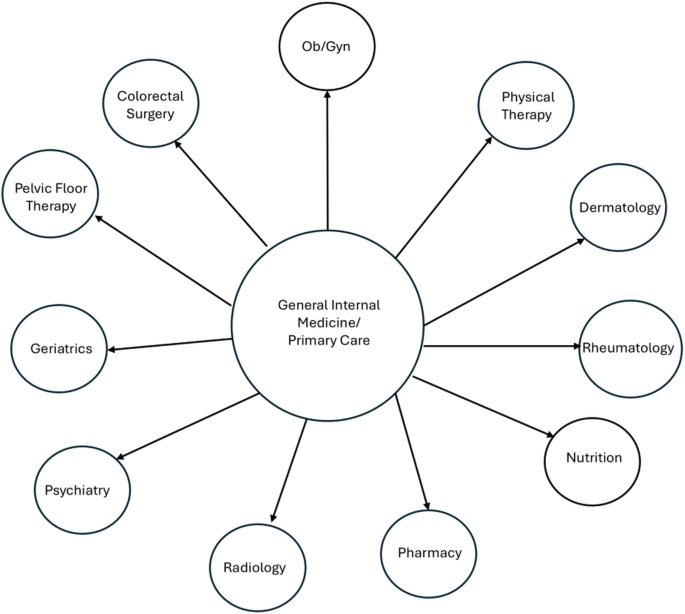
People with IBD commonly have extraintestinal symptoms (mood disorders, fatigue, pain, nutritional problems) that affect quality of life and need proactive identification and management in primary care.
IBD is increasingly linked with anxiety, depression, and cognitive symptoms; this study suggests gut microbes may change tryptophan metabolism in colitis and contribute to those brain-related symptoms, which could point...
The study describes a new oral nanotherapy that delivered apremilast to the inflamed colon in mice and reportedly reduced gut inflammation and behaviors resembling anxiety/depression—suggesting a combined...