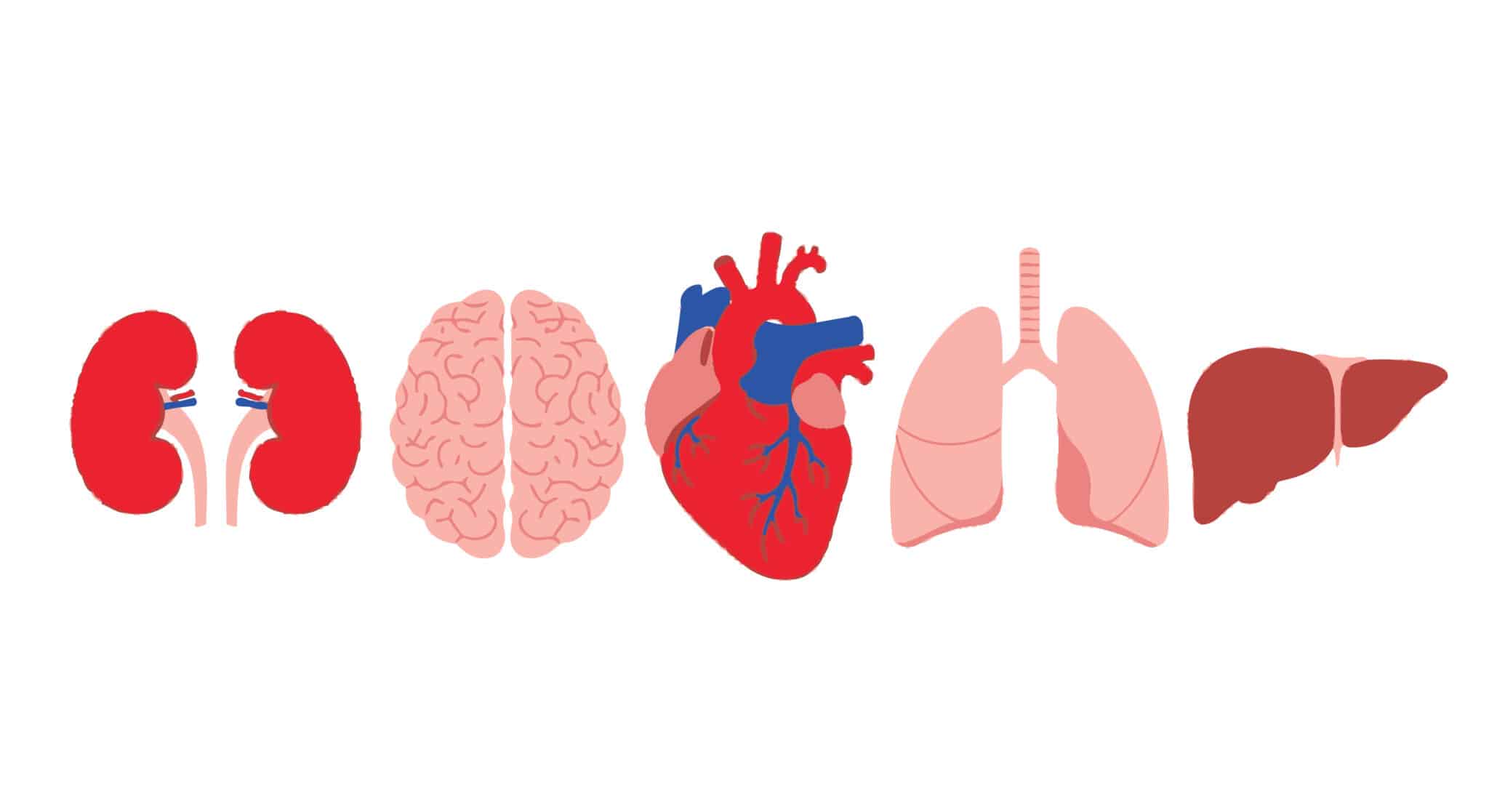
If validated, blood-based AI predictors of organ-specific aging might help flag organs aging faster in people with Crohn’s disease or other conditions, potentially enabling earlier monitoring or research into causes. Right now the finding is preliminary and not a clinical test.
Who Should Pay Attention
Researchers, clinicians, and patients with chronic inflammatory diseases (including Crohn’s disease) and those interested in biomarker and AI research.
Study Snapshot
Story typeMainstream News
Evidence typeEarly laboratory research
Source depthFull source text
What To Know
This news reports an AI-based research study (published in Nature Medicine) that used postmortem tissue images and matched blood gene-expression to train models estimating biological age for many tissues and then predict those ages from blood alone.
In validation cohorts, blood-based predictors differentiated people with several chronic diseases (including Crohn’s) from healthy controls, but the data come from people already diagnosed.
Key limitations are that tissue samples were from deceased donors (a single-time snapshot) and the blood signals were validated in people who already had disease, so we don’t yet know if the blood test can predict future disease or change clinical care.
Keep In Mind
The study trained models on postmortem tissues (GTEx) and validated blood predictors in people already diagnosed with disease; it cannot determine whether aging signals precede disease. Published in Nature Medicine but further prospective studies are required.
Source Details
Review the original publication for the complete reporting, methods, and context.
This Cure8 brief is based on source text from the linked article. Cure8 is informational only and is not a substitute for professional medical advice, diagnosis, or treatment.
This research suggests genetic risk scores could help identify people with IBD who are more likely to have severe disease, which might eventually inform earlier monitoring or treatment decisions. It’s a step toward more...
A test that more accurately predicts which IBD patients with pre-cancerous bowel changes will develop cancer could help target surveillance and treatment to those at higher risk and reduce unnecessary procedures for...
Shows which IBD comorbidities may be driven in part by shared inherited genetic risk and which likely reflect non-genetic factors, information that could shape future risk stratification and screening approaches for...