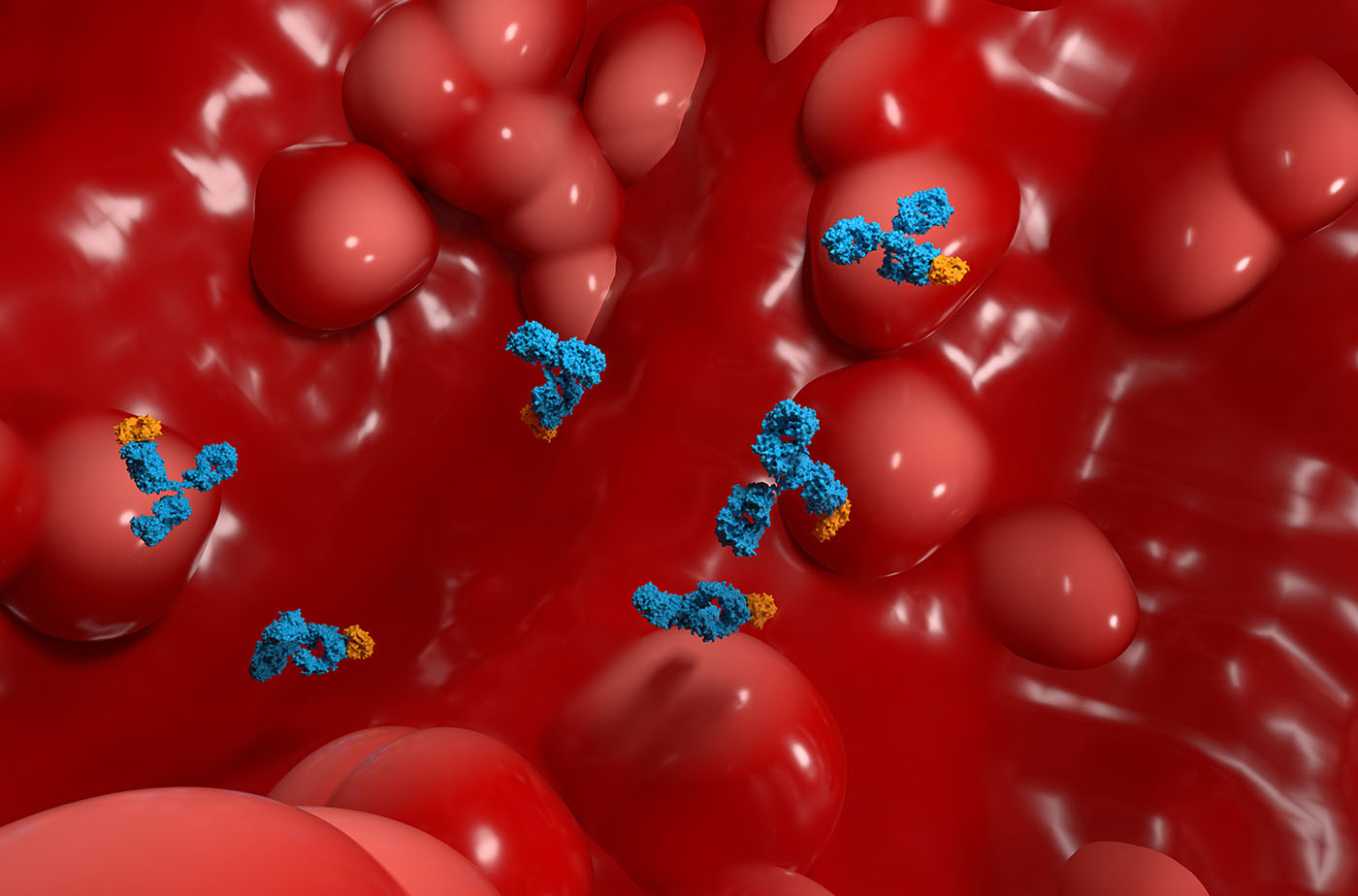
If validated, antibody signatures could enable earlier identification of people at higher risk of developing IBD and help predict which patients may develop more severe disease, creating opportunities for earlier monitoring or intervention strategies.
Who Should Pay Attention
Researchers studying IBD biomarkers, clinicians involved in IBD diagnosis and risk stratification, and patients or caregivers interested in early detection research.
Study Snapshot
Story typeResearch news
Evidence typeClinical study
Source depthFull source text
What To Know
A large-scale study presented at UEG Week 2026 analyzed ~2,000 serum samples from people who later developed Crohn’s disease or ulcerative colitis and identified distinct antibody patterns detectable up to 10 years before diagnosis.
The patterns included higher responses to herpesviruses and flagellin in Crohn’s (especially complicated or ileal disease) and rising autoantigen responses in ulcerative colitis; responses to encapsulated bacteria declined closer to diagnosis.
The team used machine learning to classify future IBD cases and to predict complicated Crohn’s disease, and investigators emphasize need for validation in diverse cohorts, development of targeted assays, and demonstration of clinical benefit before routine use.
Keep In Mind
Findings were presented at a conference and represent proof-of-concept. Authors note the need for independent validation, assessment alongside genetics and other markers, and development of reproducible, affordable tests. This is not yet a clinically available screening tool.
Source Details
Review the original publication for the complete reporting, methods, and context.
Clinical studyArticle type assigned from Cure8 classification; confirm details in the original source.
Publicationinsideprecisionmedicine.com
Indexed viaGoogle News
Source typeWeb article
PublishedOct 18, 2026, 11:15 PM
Content availableFull source text
This Cure8 brief is based on source text from the linked article. Cure8 is informational only and is not a substitute for professional medical advice, diagnosis, or treatment.
If validated, antibody-based signatures could enable much earlier detection of IBD and help identify people at risk of more severe Crohn’s disease years before symptoms—potentially opening opportunities for research on...
If validated, blood antibody patterns could allow earlier identification of people at risk for Crohn’s disease or ulcerative colitis — potentially before bowel damage occurs — opening opportunities for earlier monitoring...
If confirmed, antibody signatures detectable years before symptoms could help identify people at higher risk for IBD and improve understanding of how the disease begins — a step toward earlier diagnosis or future...