International Journal of Molecular Sciences· via Crossref
Cure8 research brief
Short-Chain Fatty Acids as Modulators of the Gut–Immune Axis in Inflammatory Bowel Disease: Linking Metabolism, Immune Regulation, and Epithelial Barrier Function
SCFAs are a key connection between diet, gut microbes, and immune and barrier functions in IBD; understanding them may point to new supportive strategies for people with Crohn’s disease or ulcerative colitis.
Who Should Pay Attention
Adult patients with IBD, clinicians interested in diet- and microbiome-targeted therapies, and researchers studying the microbiome–immune interactions.
Study Snapshot
Story typeResearch paper
Evidence typeResearch paper
Source depthJournal abstract
What To Know
This is a narrative review (abstract-level content available here) that synthesizes laboratory and clinical findings about how SCFAs are produced from dietary fiber and how they act on epithelial cells, tight junctions, mucus production, and immune cells.
It highlights butyrate’s role in supporting barrier integrity and discusses therapeutic strategies aimed at increasing SCFA availability (for example, dietary fiber, prebiotics, probiotics, or other microbiome-targeted approaches), while noting that these strategies need rigorous testing in human clinical trials.
Key practical points The review links basic mechanisms to potential interventions but does not present new clinical trial results; it calls for well-designed human trials to evaluate whether raising SCFA levels improves IBD outcomes. Patients should not interpret this as evidence that any specific supplement or diet is proven to treat IBD.
Keep In Mind
This entry is based on an abstract-level review published in the International Journal of Molecular Sciences; it summarizes existing preclinical and clinical literature but does not report new randomized clinical-trial results. Clinical relevance of SCFA-raising interventions remains to be established by well-designed human trials.
Source Details
Review the original publication for the complete reporting, methods, and context.
This Cure8 brief is based on source text from the linked article. Cure8 is informational only and is not a substitute for professional medical advice, diagnosis, or treatment.
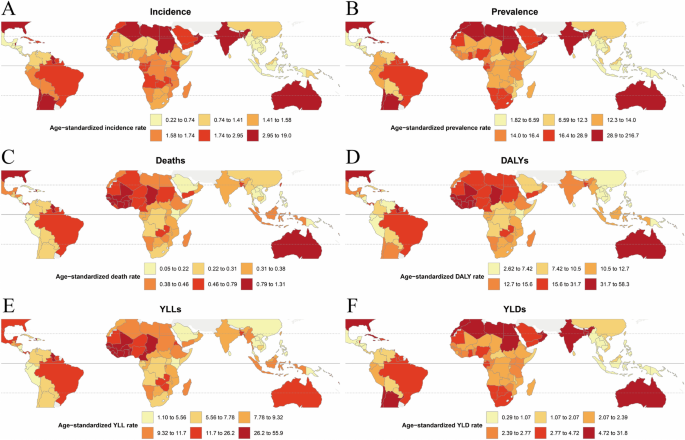
The work links climate and sociodemographic context to IBD burden in tropical regions, which can influence diagnostic recognition, resource needs, and research priorities for communities where IBD is rising.
This review reframes IBD as a systemic disease influenced by gut microbes, metabolism, and immune interactions — which matters because it points toward better ways to stratify patients, monitor disease, and personalize...
Fibrosis and stricturing are key problems in Crohn’s disease with limited therapies; this study identifies a microbiota–bile acid–GPBAR1 pathway by which a specific probiotic mix reduced inflammation and fibrosis in...