medscape.com
Cure8 news brief
Crohn's Risk Stratification: Optimizing Patient Care - Medscape
Tests and monitoring
Genetics and genomics
Biomarkers
Colonoscopy
Imaging
Stricture
Perianal Disease
Clinical study
Cure8 news brief
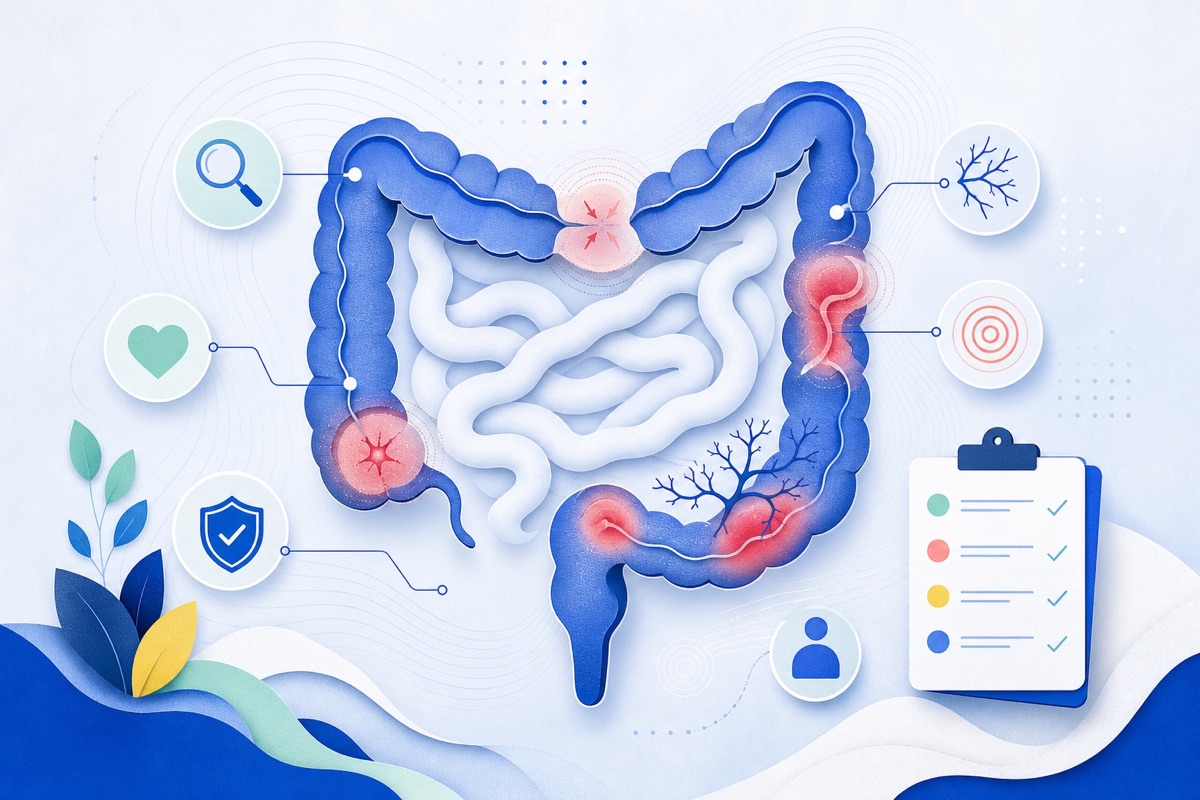
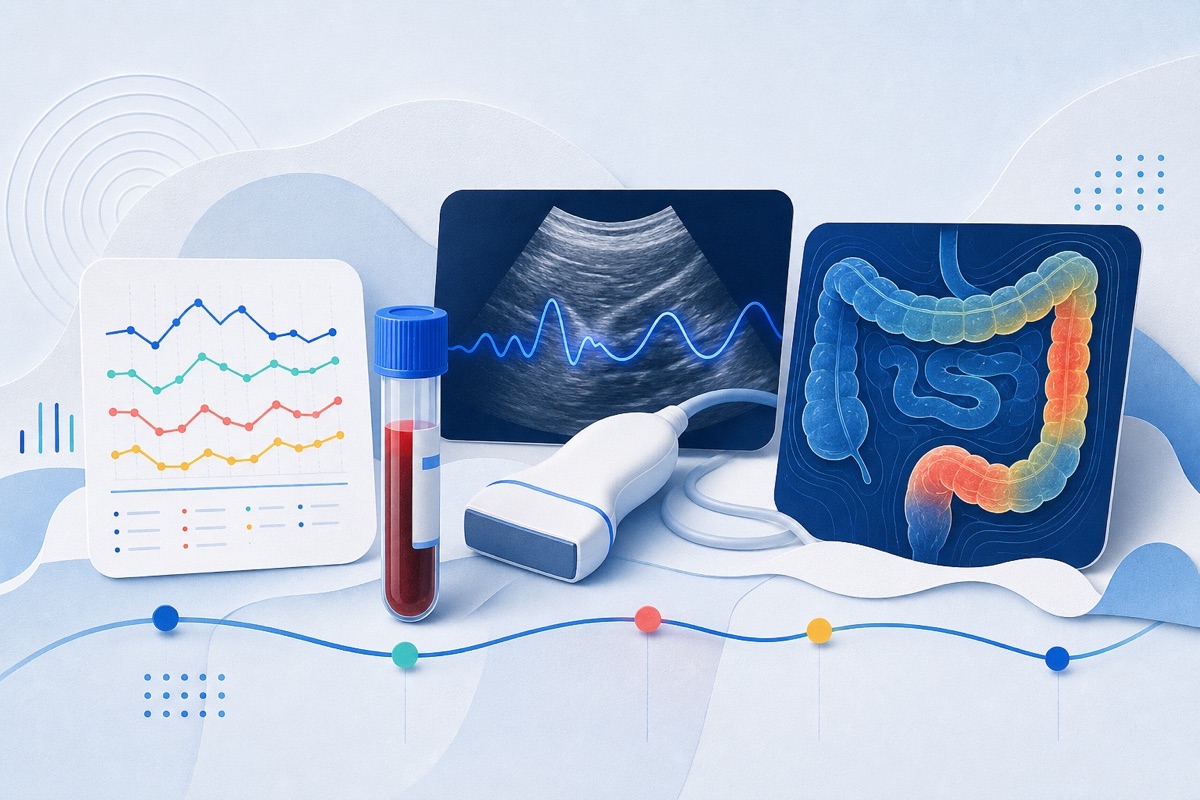
Risk stratification helps identify people with Crohn's who are more likely to develop strictures, fistulas, or need surgery so clinicians can monitor and treat them more aggressively early on. Objective tests like fecal calprotectin, CRP, endoscopy, and cross-sectional imaging are central to that approach.
Adults with Crohn's disease, clinicians who care for IBD patients, patients on or considering biologic therapy, and researchers interested in prognostic markers.
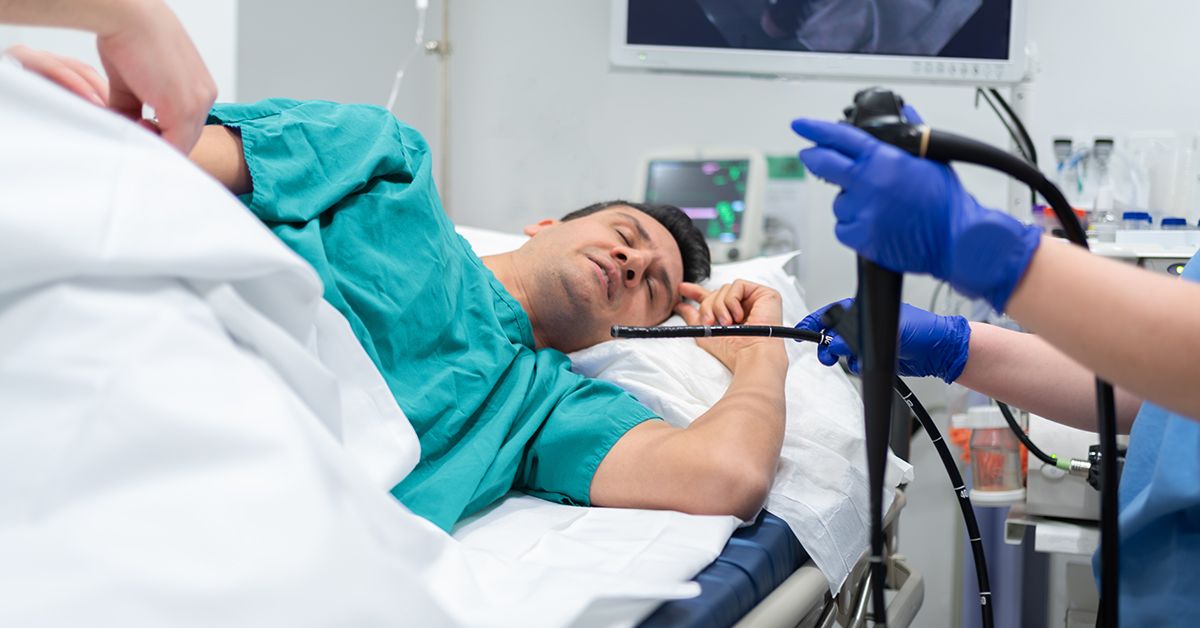
The author outlines key clinical and demographic high-risk features (younger age at onset, ileal/ileocolonic location, perianal disease, prior surgery, smoking, certain genes) and describes commonly used activity scores (CDAI, HBI) and objective monitoring tools (CRP, fecal calprotectin, endoscopy with SES-CD, MRE/CTE).
He emphasizes identifying patients at diagnosis or during monitoring to tailor therapy aimed at preventing stricturing, penetrating disease, and other complications.
The piece also summarizes how imaging detects transmural inflammation and complications (strictures, fistulae, abscess) that often prompt earlier medical or surgical intervention, and notes that treatment intensity should match risk category. This is a clinical-review style commentary rather than new trial data; disclosures are listed for the author.
This is an expert commentary summarizing current clinical practice and tools for risk stratification; it does not present new randomized trial results. Recommendations reflect commonly used scores and imaging modalities; individual care decisions should be made with treating clinicians.
Review the original publication for the complete reporting, methods, and context.
This Cure8 brief is based on source text from the linked article. Cure8 is informational only and is not a substitute for professional medical advice, diagnosis, or treatment.
People with Crohn’s disease who have an ileostomy have limited noninvasive ways to monitor small-bowel inflammation. This study suggests measuring fecal calprotectin from ileostomy output could help detect postoperative...
The article outlines complications that can come from Crohn’s disease, many of which may need tests, medication, or surgery. Knowing these helps you recognize warning signs and talk with your care team about prevention...
You can have active intestinal inflammation even without clear symptoms; early monitoring and tailored treatment aim to prevent complications and preserve quality of life.