Inflammatory Bowel Diseases
Cure8 research brief
Cure8 research brief
Families and clinicians deciding on a first biologic for a child with ulcerative colitis need to know which drugs have pediatric-specific evidence. This review shows infliximab has the strongest pediatric data, while newer biologics/small molecules have less direct pediatric evidence to guide first-line use.
Pediatric UC patients and families, pediatric gastroenterologists, and researchers focused on pediatric IBD therapeutics.
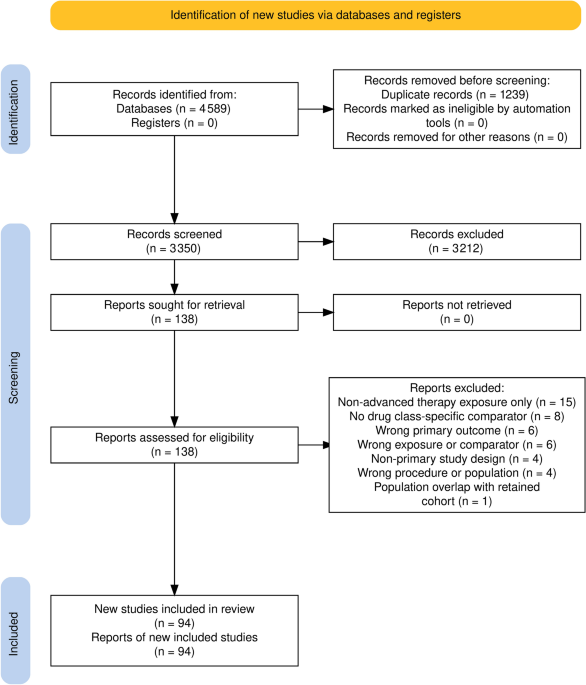
A recent critical review looked at the pediatric evidence for using advanced therapies as first-line biologic/small-molecule treatment in children with ulcerative colitis. Infliximab (an anti‑TNF) has the most robust prospective pediatric data. Evidence for vedolizumab, ustekinumab, and newer selective IL‑23 inhibitors in children is more recent and limited.
Across drug classes, there are few or no direct head‑to‑head trials in biologic‑naïve pediatric patients, so the review emphasizes that efficacy data exist for multiple agents but that evidence to guide which effective drug should be started first for a given child is lacking.
The authors recommend future pediatric studies that provide direct comparative and predictive data to inform individualized first‑line therapy choices.
Abstract-level summary only; conclusions reflect the authors' synthesis of pediatric studies and call for more comparative and predictive research. This note does not replace reading the full review or individual studies.
Review the original publication for the complete reporting, methods, and context.
This Cure8 brief is based on source text from the linked article. Cure8 is informational only and is not a substitute for professional medical advice, diagnosis, or treatment.
This trial tests whether starting with one biologic or targeted therapy versus another (and the sequence of switches) affects remission, safety, and quality of life for people with moderate-to-severe ulcerative colitis —...
Switching biologics is a frequent and consequential decision in children with IBD; using TDM and a mechanism‑based approach can help choose whether to optimize, switch within class, or change drug class.
People with IBD and clinicians often face decisions about whether to stop biologics or small molecules before abdominal surgery.