Shifting to patient-initiated, digitally supported follow-up could maintain disease control while reducing routine fixed-interval visits and improving patient experience — relevant as IBD patient numbers grow and clinic resources are limited.
Who Should Pay Attention
Adult patients with IBD (particularly those not on biologics), clinicians and clinic managers planning remote or needs-based follow-up, and health systems evaluating digital care models.
Study Snapshot
Story typeResearch paper
Evidence typeResearch paper
Source depthJournal abstract
What To Know
The study evaluated 966 IBD patients (Crohn's disease and ulcerative colitis) who were transitioned in 2024 to a web-based, patient-initiated follow-up system at a single regional center. Researchers compared clinical and laboratory measures for up to two years before and after the change and surveyed patient satisfaction.
The authors report higher rates of fecal calprotectin-defined remission, stable physician-recorded disease activity scores, improved health-related quality of life, and that most survey respondents preferred the new model and rated their satisfaction highly.
Usage of patient-reported outcome entries and fecal calprotectin sampling increased after the transition. Implementation note: this is an observational pre–post quality-improvement study from a single health system, so results reflect real-world experience in that setting rather than randomized comparison.
The study focused on patients not receiving biological therapy at the time of transition.
Keep In Mind
This is a single-center, pre–post quality improvement study using regional registry data and a satisfaction survey; it is not a randomized trial. The report concerns patients transitioned off routine scheduled visits and may not apply to patients on biologic therapy or with more complex disease without further study.
Source Details
Review the original publication for the complete reporting, methods, and context.
Conflict statement: Declaration of competing interest The authors declare the following financial interests/personal relationships which may be considered as potential competing interests: [Mette Esbjoern reports financial support was provided by North Jutland Region. Tine Jess reports financial support was provided by Danish National Research Foundation. Lone Larsen reports a relationship with AbbVie Ltd. that includes: consulting or advisory, speaking and lecture fees, and travel reimbursement. Lone Larsen reports a relationship with Takeda Pharmaceuticals International AG that includes: consulting or advisory and speaking and lecture fees. Lone Larsen reports a relationship with Eli Lilly and Company that includes: consulting or advisory, funding grants, speaking and lecture fees, and travel reimbursement. Lone Larsen reports a relationship with Celltrion, Inc. that includes: consulting or advisory. Lone Larsen reports a relationship with Tillotts Pharma AG that includes: consulting or advisory, speaking and lecture fees, and travel reimbursement. Lone Larsen reports a relationship with Novo Nordisk Inc that includes: equity or stocks. Tine Jess reports a relationship with Ferring Pharmaceuticals Inc that includes: speaking and lecture fees. Tine Jess reports a relationship with Pfizer Inc that includes: speaking and lecture fees. Tine Jess reports a relationship with Johnson & Johnson MedTech that includes: speaking and lecture fees. If there are other authors, they declare that they have no known competing financial interests or personal relationships that could have appeared to influence the work reported in this paper.].
This Cure8 brief is based on source text from the linked article. Cure8 is informational only and is not a substitute for professional medical advice, diagnosis, or treatment.
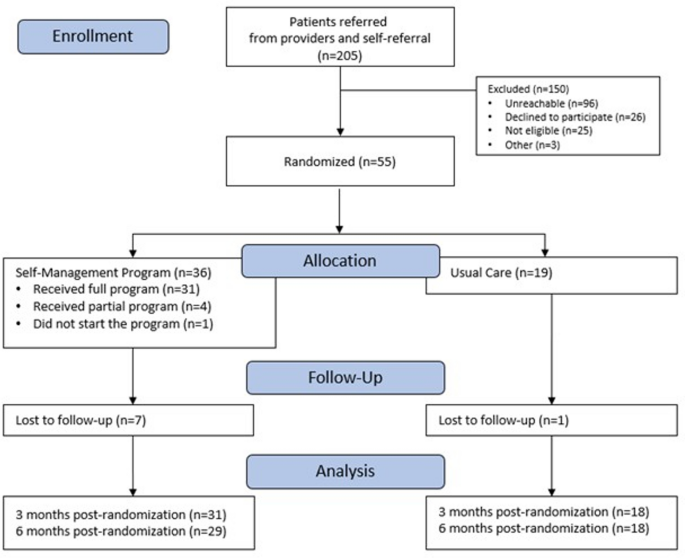
Self‑management programs delivered by nurses may help people with IBD improve daily functioning, confidence in managing their condition, and quality of life even when inflammation markers don’t change. That matters...
The study suggests anxiety, depression, poor sleep, and low exercise are linked with higher risk of IBD flares. That means mental health and lifestyle may be important parts of managing IBD alongside medical care.
Recognizing eye inflammation as a possible early sign of IBD could shorten diagnostic delays and lead to earlier gastroenterology evaluation and treatment, which is especially important for children who often wait years...