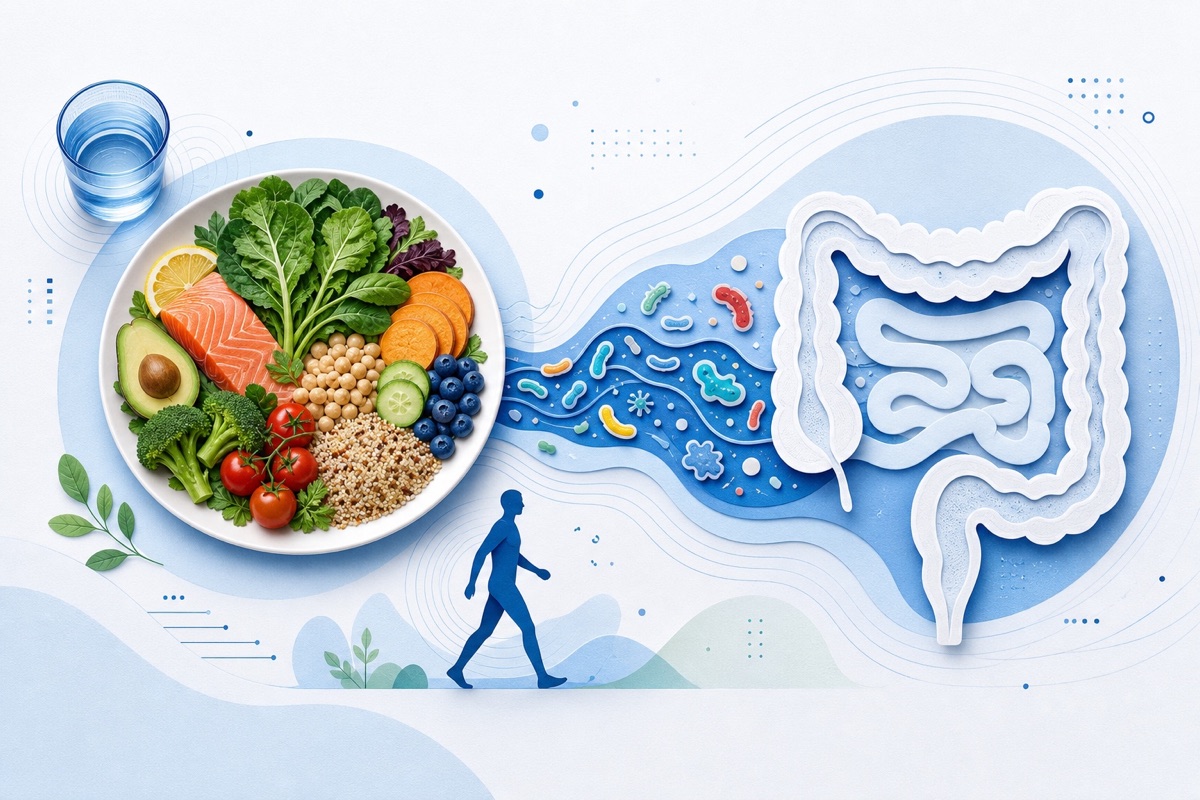
The study suggests that being symptom-free doesn’t guarantee the gut’s microbiome, metabolome, or epithelial functions have returned to a healthy state. Diet—especially ultraprocessed-food intake—was linked to persistent dysbiosis and impaired mucin-related genes important for the barrier.
Who Should Pay Attention
Adults with Crohn's disease (including those in remission), clinicians providing long-term IBD care, researchers interested in diet–microbiome interactions, and patients on biologic/immunomodulatory therapy.
Study Snapshot
Story typeResearch news
Evidence typeClinical study
Source depthFull source text
What To Know
This report summarizes a study that compared diet, ileal gene expression (transcriptomics), gut microbiome, and metabolites across people with Crohn’s in remission, active Crohn’s, and non-IBD controls.
Even though markers of adaptive and innate immune cells were lower in remission, epithelial antimicrobial pathways and genes linked to goblet cells and mucin glycosylation remained elevated and the microbial and metabolic profiles stayed dysbiotic.
The study also found that higher intake of ultraprocessed foods and lower fiber/vegetable intake correlated with these persistent dysbiotic signals.
These findings suggest that clinical symptom control or immunologic suppression does not automatically restore a healthy gut ecosystem, and that dietary habits and epithelial/microbiome-targeted strategies might help deepen and prolong remission.
Keep In Mind
The article summarizes a clinical research study (transcriptomics, microbiome, metabolomics) comparing remission, active disease, and non-IBD controls. Associations reported do not establish causation; nutritional intervention trials would be needed to test whether changing diet improves mucosal/homeostatic measures or relapse risk.
Source Details
Review the original publication for the complete reporting, methods, and context.
Clinical studyArticle type assigned from Cure8 classification; confirm details in the original source.
Publicationdocwirenews.com
Indexed viaGoogle News
Source typeResearch news
PublishedJul 13, 2026, 1:44 PM
Content availableFull source text
This Cure8 brief is based on source text from the linked article. Cure8 is informational only and is not a substitute for professional medical advice, diagnosis, or treatment.
Adding structured partial enteral nutrition to advanced drug therapy could offer a non-pharmacologic way to improve short-term, steroid-free remission rates in active Crohn's disease if the trial shows benefit.
This study suggests a Crohn disease exclusion diet (with partial enteral nutrition) helped some pediatric patients reach steroid-free clinical remission and lowered fecal calprotectin, measures important for disease...
Diet is a common concern for people with Crohn’s disease, and this randomized trial suggests a structured, short-term calorie-restricted diet may reduce symptoms and markers of gut inflammation. Evidence-based dietary...