Cure8

Why This Matters

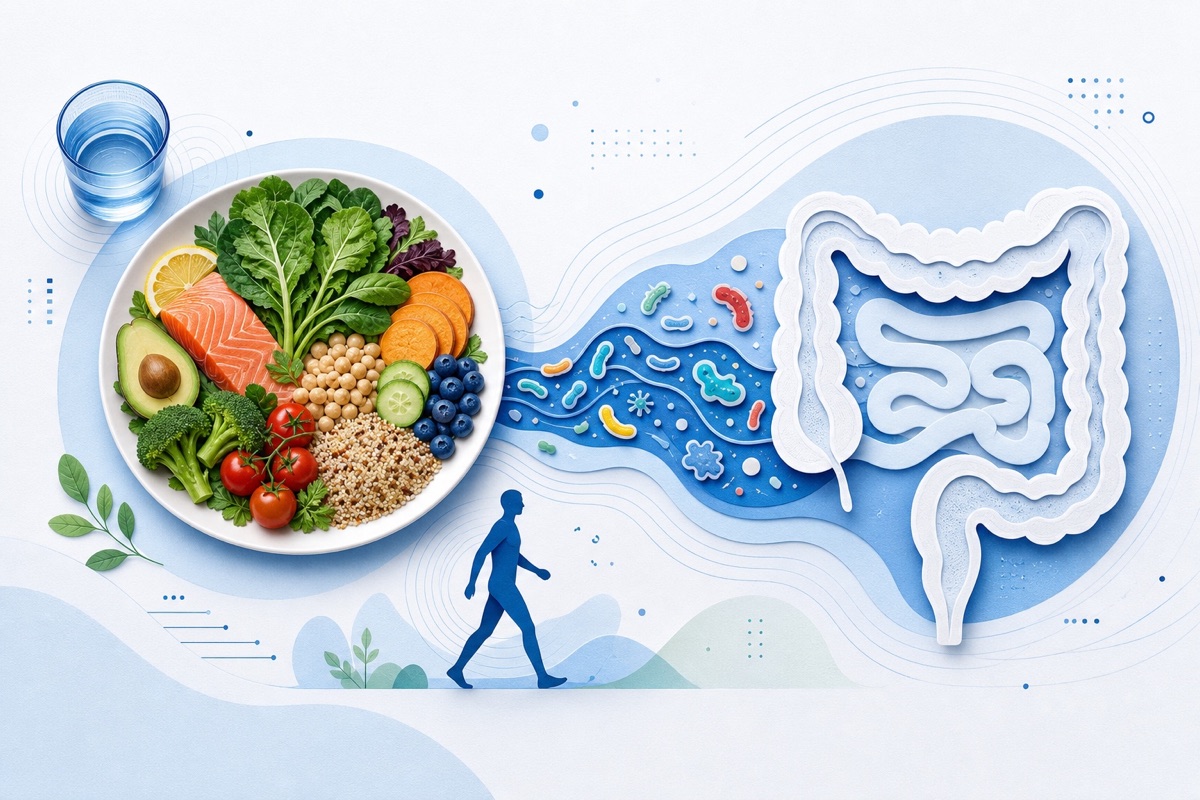
The study connects common dietary patterns to self‑reported IBD activity and quality of life, suggesting diet may be linked to symptom burden for people with Crohn’s disease and UC/IBDU.

Who Should Pay Attention

Adults with IBD, dietitians and clinicians, IBD researchers

Study Snapshot

Story typeResearch paper
Evidence typeResearch paper
Source depthMetadata only

What To Know

This was a prospective online survey of 205 adults with IBD (about half Crohn’s, half UC/IBDU) using validated dietary instruments and principal component analysis to define six dietary patterns (Western, vegetarian, pescatarian, semi‑vegetarian, semi‑pescatarian, low‑carbohydrate).

Associations were with self‑reported current disease activity and HRQoL rather than clinical measures. The results suggest dietary patterns may relate to how people with IBD feel and report disease activity, but the study cannot prove causation.

Keep In Mind

Observational survey design and self‑reported outcomes limit causal conclusions. The findings are hypothesis‑generating and useful for informing future clinical studies or dietary counseling but are not treatment recommendations.

Source Details

Review the original publication for the complete reporting, methods, and context.

Read Original Source
Research paper Evidence type derived from source or registry metadata.
PublicationPubMed Central
JournalJGH Open
AuthorsAcire, Peter Vivian, Vernon‐Roberts, Angharad, Day, Andrew S.
Indexed viaPubMed Central
Source typeResearch repository record
PublishedAug 9, 2026, 12:00 AM
Content availableMetadata only

This Cure8 brief is based on source text from the linked article. Cure8 is informational only and is not a substitute for professional medical advice, diagnosis, or treatment.

Related Reading

Browse latest news →