Patients with Crohn's reported more relapses and are more likely to see diet as a relapse trigger; nutritional therapy (including elemental diets) is used more often in Crohn's than UC in this Japanese sample. This affects patient support needs around diet and app-based management.
Who Should Pay Attention
Adult IBD patients (especially Crohn's), caregivers, gastroenterology clinicians, dietitians, and researchers studying nutrition or digital health in IBD.
Study Snapshot
Story typeResearch paper
Evidence typeResearch paper
Source depthJournal abstract
What To Know
This is a patient-reported survey (web-based) describing perceptions and current use of nutritional strategies in Japan. The study reports higher self-perceived relapse frequency and greater dietary-management awareness in Crohn's disease compared with ulcerative colitis.
About half of Crohn's patients had received nutritional therapy and nearly one-third were using elemental diets; many patients consumed 300–900 kcal/day on these regimens and some noted symptom improvement, but discontinuation often reflected physician direction or difficulty with intake.
Practical points: The paper highlights a need for better dietary guidance, support to sustain elemental-diet use when appropriate, and promoting digital health tools for self-management. It does not provide clinical outcomes from randomized comparisons, so it should not be read as evidence that one diet prevents relapse.
Keep In Mind
This report is a cross-sectional, web-based survey of patient perceptions and self-reported practices in Japan; it describes usage patterns and opinions rather than proving efficacy. The extracted content is from the article abstract.
Source Details
Review the original publication for the complete reporting, methods, and context.
This Cure8 brief is based on source text from the linked article. Cure8 is informational only and is not a substitute for professional medical advice, diagnosis, or treatment.
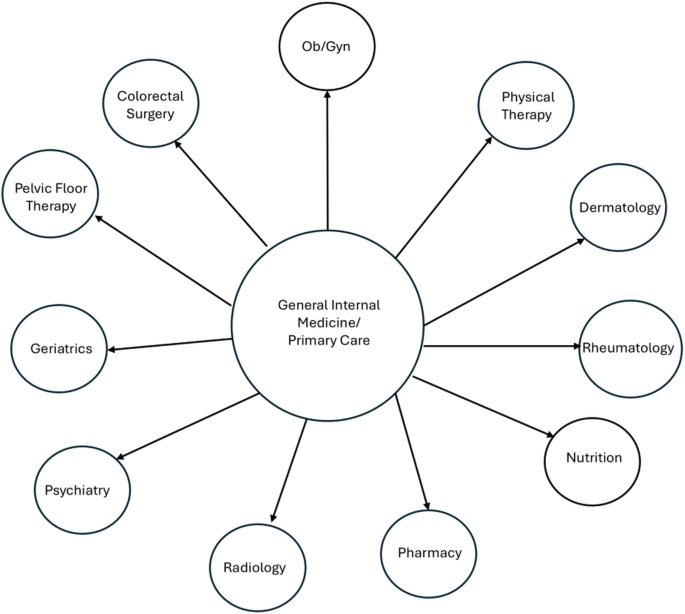
People with IBD commonly have extraintestinal symptoms (mood disorders, fatigue, pain, nutritional problems) that affect quality of life and need proactive identification and management in primary care.
The article highlights a reported rise in IBD among young people and reinforces that diet and lifestyle factors may influence risk and flare-ups. It reminds readers that IBD symptoms can be mistaken for common...
People with IBD often look for safe, low-cost adjuncts to medical therapy. This review compiles mechanisms by which dietary polysaccharides could support gut barrier function, beneficial microbes, and anti-inflammatory...