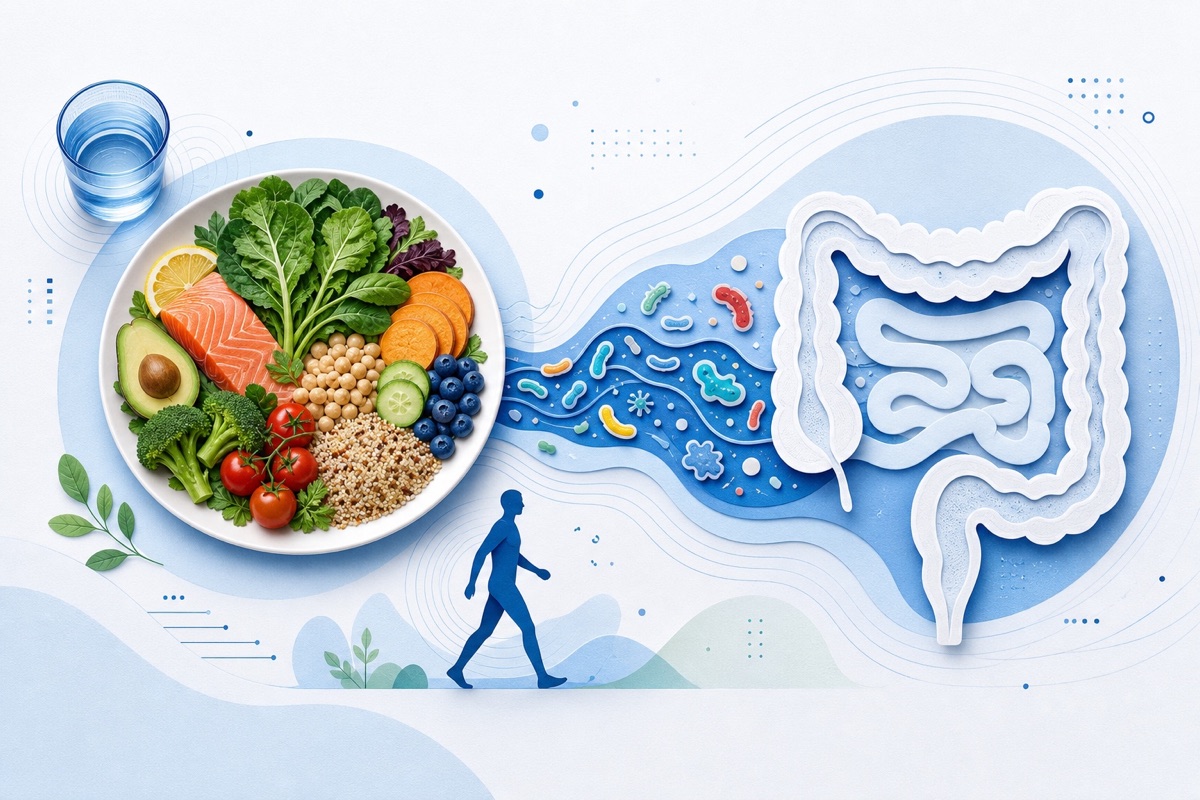
People with IBD often look for safe, low-cost adjuncts to medical therapy. This review compiles mechanisms by which dietary polysaccharides could support gut barrier function, beneficial microbes, and anti-inflammatory pathways—areas directly relevant to colitis management.
Who Should Pay Attention
Adult patients with IBD and caregivers interested in diet-based adjuncts, clinicians advising on nutrition and integrative care, and researchers studying microbiome–diet interactions or functional food development.
Study Snapshot
Story typeResearch paper
Evidence typeResearch paper
Source depthJournal abstract
What To Know
This is a review article (abstract-level summary provided) that compiles laboratory and preclinical findings linking dietary polysaccharides to microbiome shifts (more Lactobacillus, Bifidobacterium, Akkermansia), increased SCFA production, upregulation of tight-junction proteins (ZO-1, occludin, claudin), antioxidant pathway activation (Nrf2/HO-1), and reduced inflammatory signaling.
The authors discuss structure–function relationships (molecular weight, monosaccharide composition, chemical modifications) that may influence biological activity.
The review frames polysaccharides as potential adjunctive or functional-food interventions to complement existing IBD treatments, emphasizing safety and multitarget effects, but it does not present new clinical trial outcomes within the supplied abstract.
Practical takeaways: these findings are mechanistic and largely preclinical; they support further clinical research and cautious, evidence-informed interest in dietary polysaccharides as part of lifestyle approaches, not as standalone therapies.
Keep In Mind
This entry is an abstract-level review summary from a peer-reviewed journal. The abstract describes preclinical and mechanistic evidence; it does not report clinical trial results. Therefore these mechanisms are hypothesis-generating and supportive of further clinical study rather than conclusive proof of benefit in patients.
Source Details
Review the original publication for the complete reporting, methods, and context.
Funding disclosed by the source: Natural Science Foundation of Guangdong Province (2026A1515011681) - 2026A1515011681
This Cure8 brief is based on source text from the linked article. Cure8 is informational only and is not a substitute for professional medical advice, diagnosis, or treatment.
Dietary patterns may differ between people who develop Crohn’s disease or ulcerative colitis and their healthy relatives; understanding these associations could help guide prevention research and personalized nutrition...
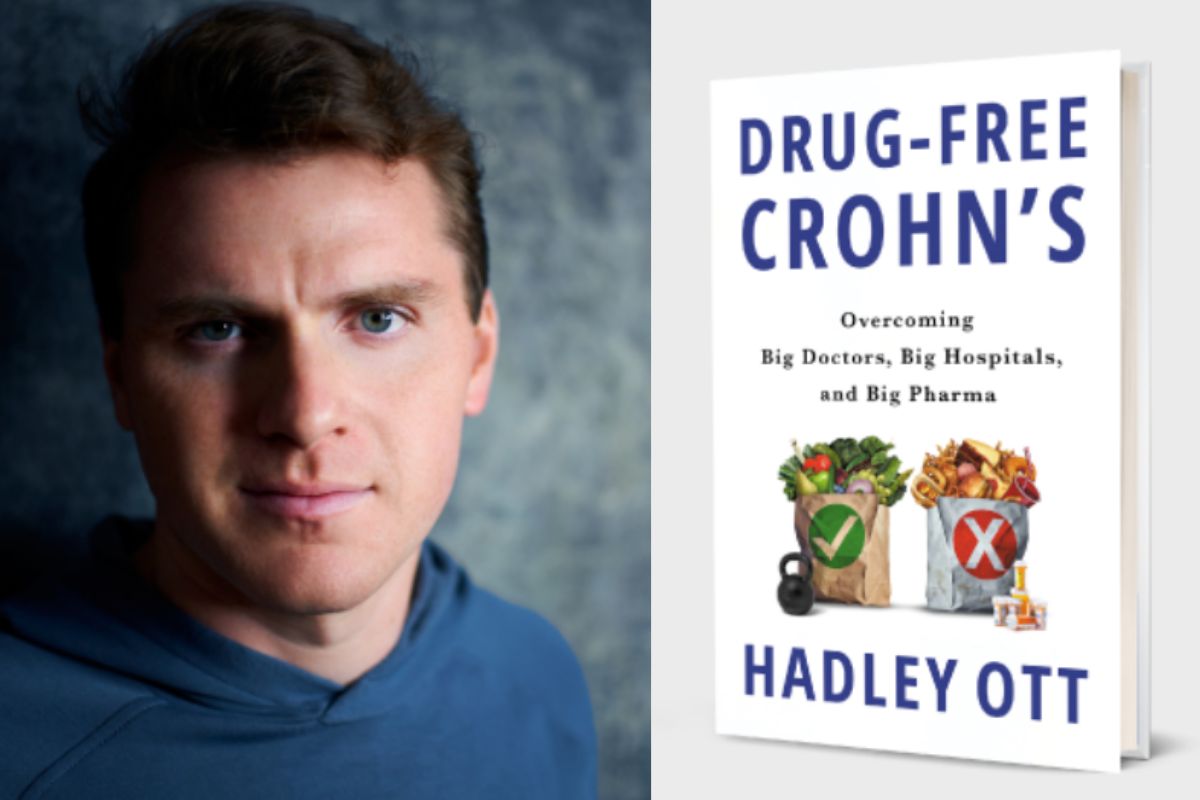
A book describing a personal recovery from Crohn’s through diet, fitness, and faith may interest people looking for lifestyle approaches or peer experiences. It’s not clinical evidence but could offer practical ideas or...
The article highlights a reported rise in IBD among young people and reinforces that diet and lifestyle factors may influence risk and flare-ups. It reminds readers that IBD symptoms can be mistaken for common...