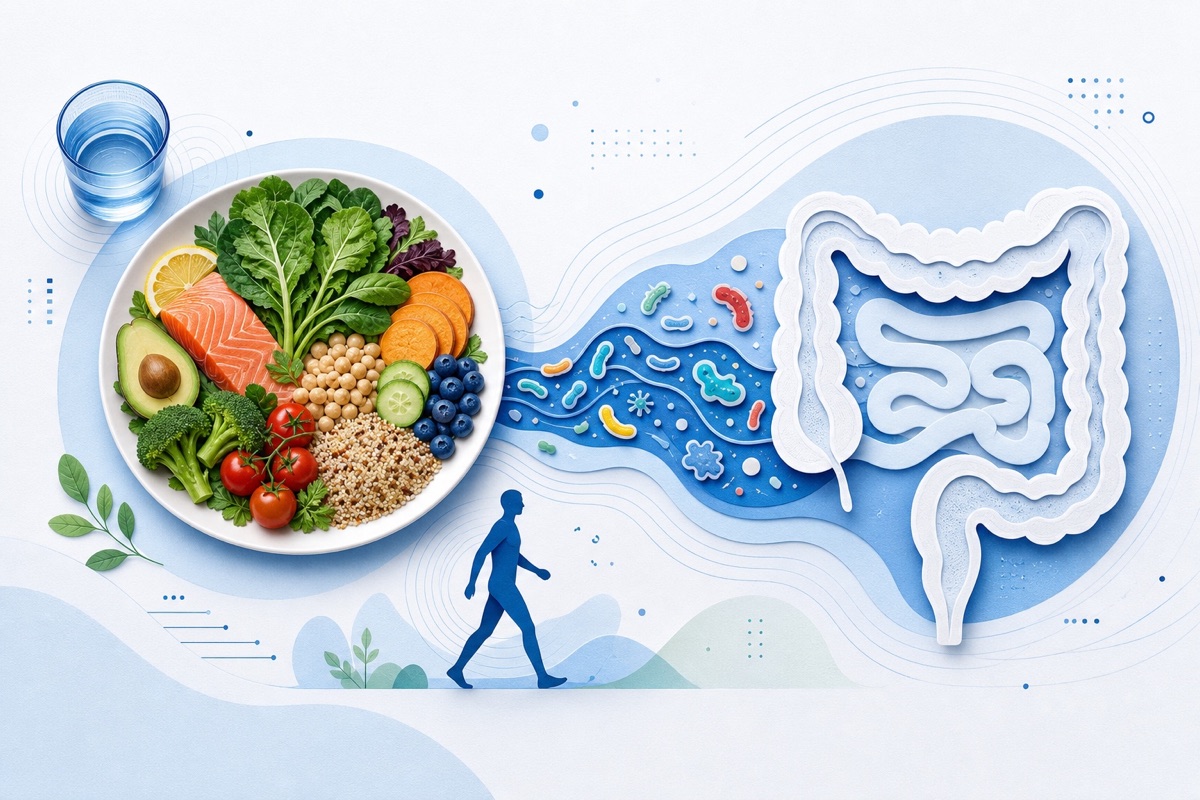
Dietary patterns may differ between people who develop Crohn’s disease or ulcerative colitis and their healthy relatives; understanding these associations could help guide prevention research and personalized nutrition counseling.
Who Should Pay Attention
Adults with Crohn’s disease or ulcerative colitis, clinicians and dietitians working with IBD patients, and researchers studying diet–IBD links.
Study Snapshot
Story typeResearch paper
Evidence typeClinical study
Source depthFull source text
What To Know
This peer-reviewed cohort study compared reported pre-illness dietary intakes of people with Crohn’s disease (CD) and ulcerative colitis (UC) to those of their paired healthy relatives and to healthy non-relatives.
The authors identified different dietary patterns associated with CD versus UC when using relatives as controls: for CD, lower intakes of vitamin C, dietary fiber, calcium, vegetables, milk/dairy and certain fatty acids were highlighted; for UC, lower intakes of phosphorus, DPA (docosapentaenoic acid), vitamins B2 and B12, and choline — and a higher α-carotene intake — were reported.
The paper used statistical methods including LASSO regression to prioritize the most relevant dietary features. If you read the full article, you’ll find the analyses compare patients to both family-member controls and unrelated healthy controls, and the authors argue that paired relatives help control for shared genetics and environment.
The text notes this is based on dietary recall and that the full article and datasets require institutional access or contact with the corresponding author.
Keep In Mind
Observational study using dietary recall and paired relatives as controls — shows associations, not proof of cause-and-effect. Full methods and data require access to the journal article.
Source Details
Review the original publication for the complete reporting, methods, and context.
This Cure8 brief is based on source text from the linked article. Cure8 is informational only and is not a substitute for professional medical advice, diagnosis, or treatment.
This research looks at whether donor and patient diets can influence how well fecal microbiota transplants work. For people with IBD (including Crohn’s and ulcerative colitis), improving FMT success could mean better...
This large observational study suggests that diets high in nutrient-dense plant foods (not processed plant products) were linked to lower risk of developing IBD and to fewer IBD-related surgeries. People with IBD often...
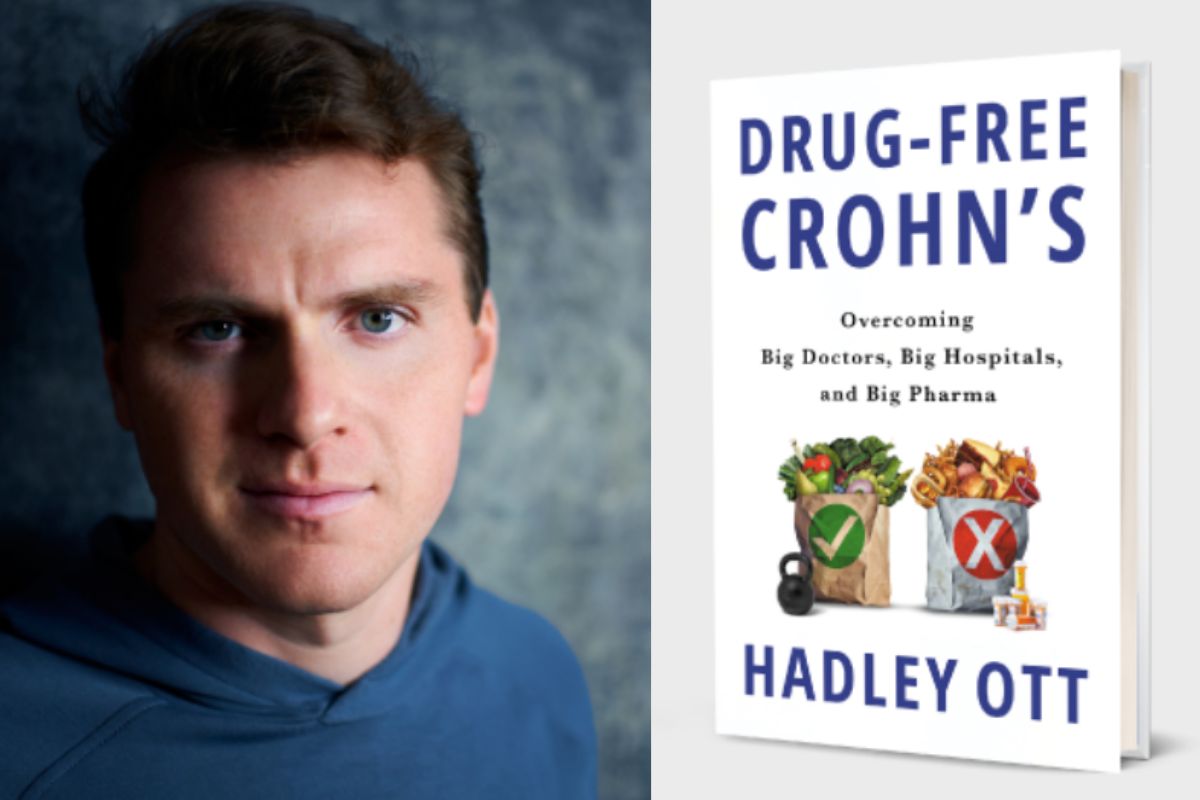
A book describing a personal recovery from Crohn’s through diet, fitness, and faith may interest people looking for lifestyle approaches or peer experiences. It’s not clinical evidence but could offer practical ideas or...