
aol.com
Cure8 news brief
Cure8 news brief
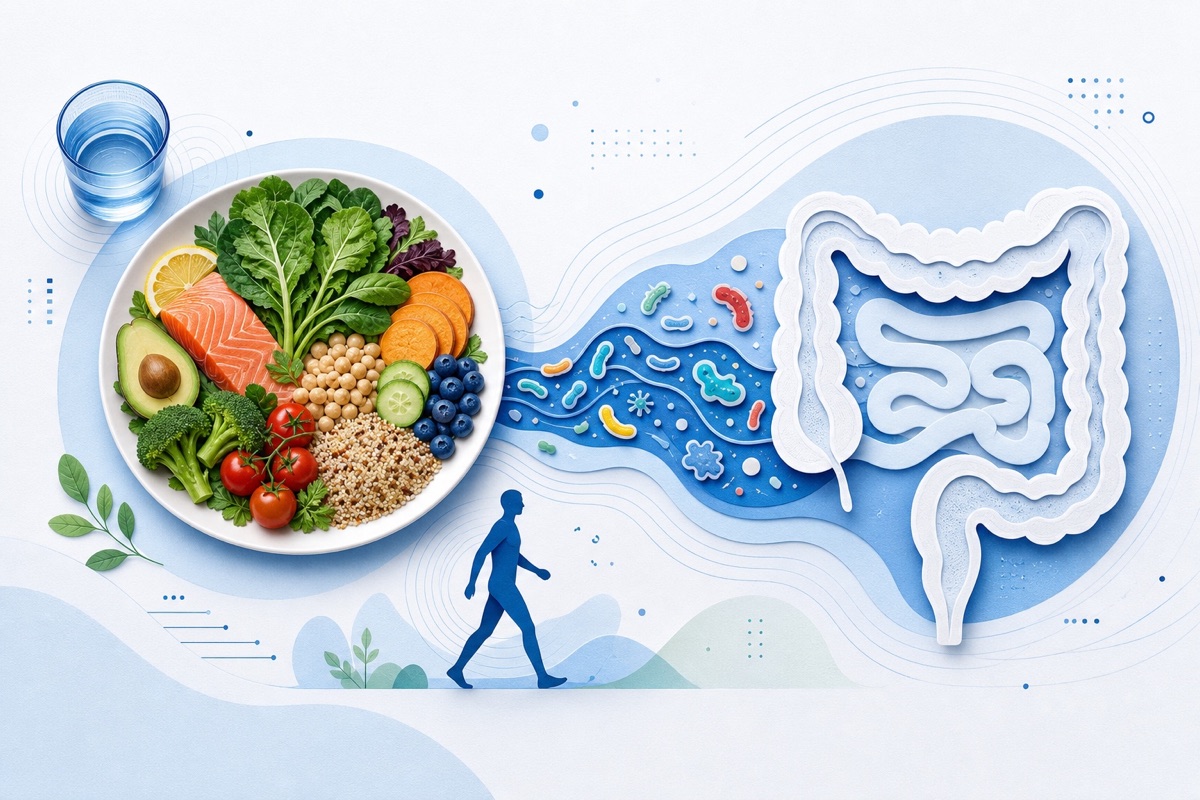
This large observational study suggests that diets high in nutrient-dense plant foods (not processed plant products) were linked to lower risk of developing IBD and to fewer IBD-related surgeries. People with IBD often ask whether diet affects disease risk and outcomes, so these results are directly relevant.
Adults at risk for IBD, people with Crohn’s disease or ulcerative colitis, dietitians and gastroenterology clinicians, and researchers studying diet and IBD.
The study pooled data from two large cohorts and categorized diets as healthy plant-based, unhealthy plant-based, and healthy omnivorous. Both a healthy plant-based diet and a healthy omnivorous diet were associated with lower IBD incidence compared with less healthy diets; highly processed plant-based foods showed the opposite association.
The article reports this as observational research—not a randomized trial—so it shows associations, not proof that changing diet will prevent IBD or eliminate the need for surgery.
If you’re thinking about changing your diet, talk with your clinical team or a dietitian who knows IBD: individual needs vary, especially during flares or if you have strictures or nutrient deficiencies. The article’s experts highlight limits such as population makeup, dietary self-reporting, and missing outcomes like relapse rates and quality of life.
This is observational cohort research that shows associations, not causation. The cohorts were mainly European and White, and the study didn’t report on disease activity, relapse rates, or quality-of-life measures—important factors for patients.
The article is a news summary of the Lancet Regional Health Europe paper and includes expert commentary; consult the original study and your care team before changing therapy or diet.
Review the original publication for the complete reporting, methods, and context.
This Cure8 brief is based on source text from the linked article. Cure8 is informational only and is not a substitute for professional medical advice, diagnosis, or treatment.
Dietary patterns may differ between people who develop Crohn’s disease or ulcerative colitis and their healthy relatives; understanding these associations could help guide prevention research and personalized nutrition...
The article highlights a reported rise in IBD among young people and reinforces that diet and lifestyle factors may influence risk and flare-ups. It reminds readers that IBD symptoms can be mistaken for common...
This research looks at whether donor and patient diets can influence how well fecal microbiota transplants work. For people with IBD (including Crohn’s and ulcerative colitis), improving FMT success could mean better...


