mndaily.com
Cure8 news brief
Cure8 news brief
This research looks at whether donor and patient diets can influence how well fecal microbiota transplants work. For people with IBD (including Crohn’s and ulcerative colitis), improving FMT success could mean better symptom control or more durable microbiome changes.
People with IBD (Crohn’s disease, ulcerative colitis), clinicians involved in FMT or microbiome therapies, stool-donor programs, and researchers studying the gut microbiome and diet.
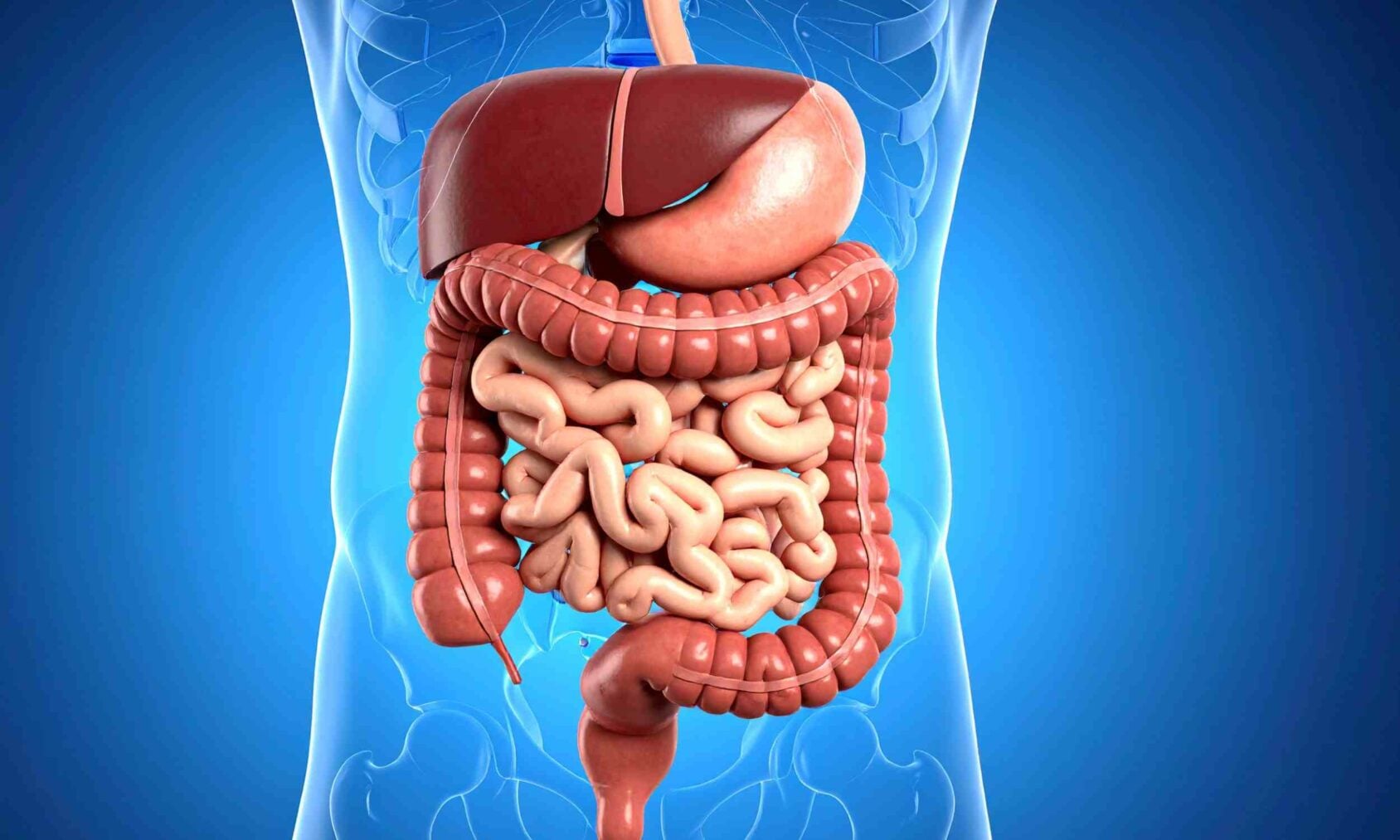
Researchers at the University of Minnesota are studying how donor and recipient diet affects outcomes after fecal microbiota transplantation (FMT).
The article describes FMT as a treatment delivered either by oral capsule or colonoscopy and emphasizes that donors are screened and encouraged to eat high-fiber, fermented, whole foods to support a healthy microbiome.
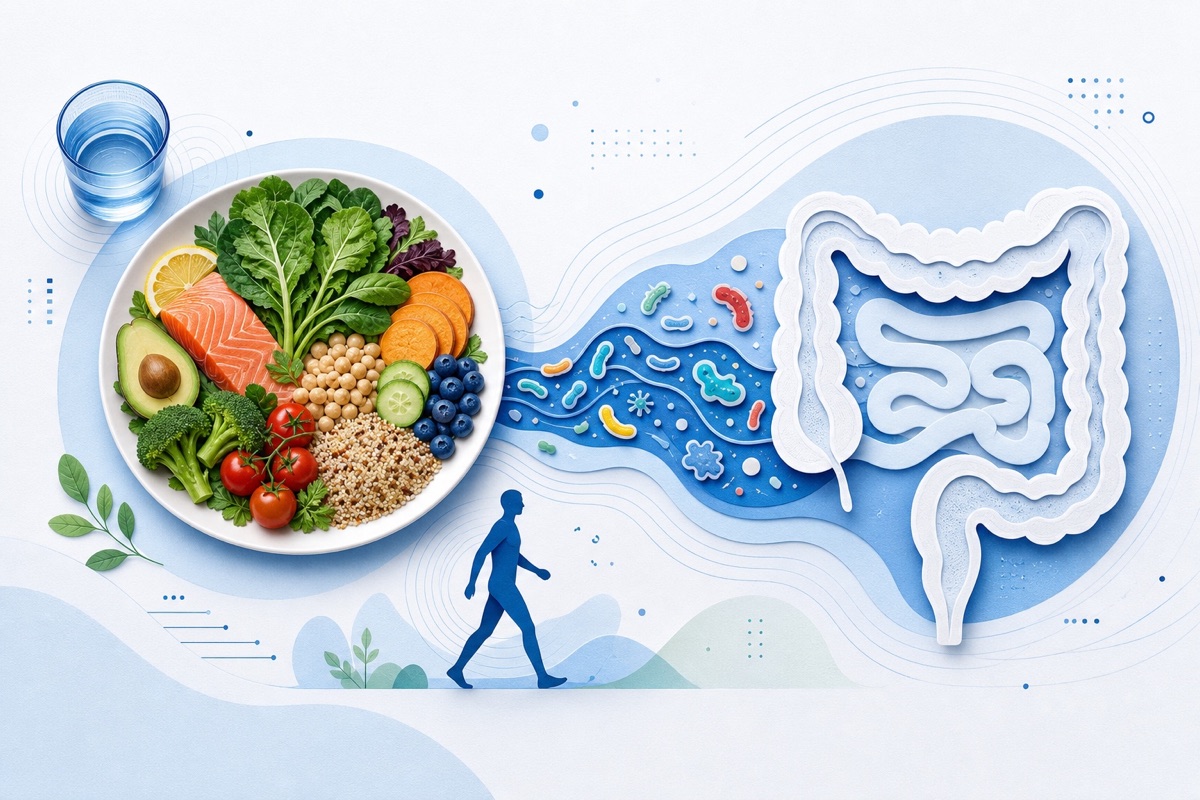
The team is investigating whether maintaining a healthy diet in donors and recipients helps transplanted microbes or microbial functions persist and improve patient gut health over time. The researchers note they are still determining whether benefits come from specific microbial species sticking around or from transferred microbial functions.
The piece explains practical aspects of FMT used in clinical settings (capsules vs colonoscopy, fasting around dosing) and that FMTs are applied for conditions including Crohn’s disease and ulcerative colitis. It presents the work as early-stage research into diet–microbiome interactions rather than definitive clinical guidance.
The article summarizes a university press release about ongoing research. It reports practical details about FMT delivery and donor diet recommendations but does not provide study results or clinical recommendations. This is early-stage/ongoing work; it does not establish that dietary changes will change treatment outcomes.
Review the original publication for the complete reporting, methods, and context.
This Cure8 brief is based on source text from the linked article. Cure8 is informational only and is not a substitute for professional medical advice, diagnosis, or treatment.
The article highlights a reported rise in IBD among young people and reinforces that diet and lifestyle factors may influence risk and flare-ups. It reminds readers that IBD symptoms can be mistaken for common...
After a Crohn’s or UC flare you may tolerate less fiber and need easy-to-digest foods and extra protein to support recovery. This article gives practical, food-based suggestions to help with nutrient intake while your...
The study suggests vitamin D might help the immune system tolerate gut bacteria better and lower intestinal inflammation, which could mean fewer symptoms or flares for people with Crohn’s disease or ulcerative colitis.