Cytotechnology
Cure8 research brief
Cure8 research brief
The study identifies miR-23b-3p as elevated in UC and CD and linked to disease severity, and shows in cell models that lowering miR-23b-3p can improve epithelial barrier function via Erbin. If confirmed, this miRNA could be a biomarker or therapeutic target for IBD-related barrier dysfunction.
Researchers in IBD pathogenesis and biomarkers; clinician-scientists exploring miRNA diagnostics or mucosal barrier repair; translational researchers.
Researchers measured miR-23b-3p in patient samples and used an in vitro LPS-induced epithelial inflammation model to study mechanism.
Blocking miR-23b-3p in the cell model improved measures of epithelial barrier function and reduced inflammatory factors; these improvements were lost when Erbin was silenced, implicating an miR-23b-3p—Erbin interaction in the model. This is a laboratory (basic science) study and does not test a treatment in people.
The diagnostic potential of miR-23b-3p is based on its higher levels in patient samples and reported correlations with Mayo and CDAI scores, but clinical validation would require larger, prospective studies.
Results come from patient sample analyses and LPS-induced intestinal epithelial cell models (in vitro). This is basic-science research and not a clinical trial; clinical relevance requires further validation.
Review the original publication for the complete reporting, methods, and context.
This Cure8 brief is based on source text from the linked article. Cure8 is informational only and is not a substitute for professional medical advice, diagnosis, or treatment.
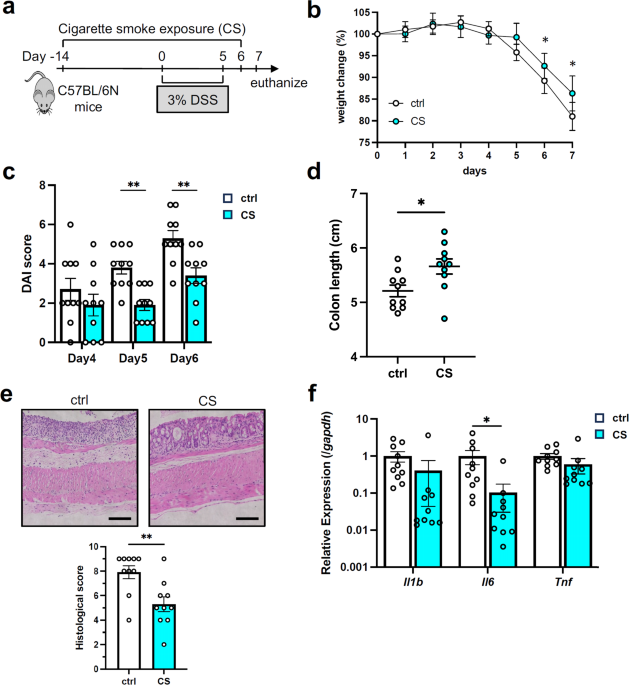
This preclinical study suggests cigarette smoke alters gut microbes and metabolites in ways that can either protect or worsen colitis depending on the model; it identifies 4-HBA as a metabolite that reduced inflammation...
Researchers report links between copper-driven cell death pathways and IBD biology; identifying cuproptosis-related biomarkers or drugs could open new diagnostic or therapeutic avenues for people with Crohn's disease or...
Researchers identify a gut microbe (Sutterella species) that may worsen intestinal inflammation by blocking AhR-driven IL-22 and IL-17 responses—pathways that help protect the gut lining.