JMIR formative research
Cure8 research brief
Cure8 research brief
Adolescents and young adults with IBD commonly face pain and may receive opioids; a digital tool designed with patient and clinician input could help reduce opioid-related risks and improve coordination of pain care.
Pediatric and adult IBD clinicians, care teams involved in pain management, AYA patients with IBD and their caregivers, and designers of digital health interventions.
This study interviewed adolescents and young adults (AYA) with IBD and IBD-focused clinicians to identify priorities for designing a digital opioid safety tool.
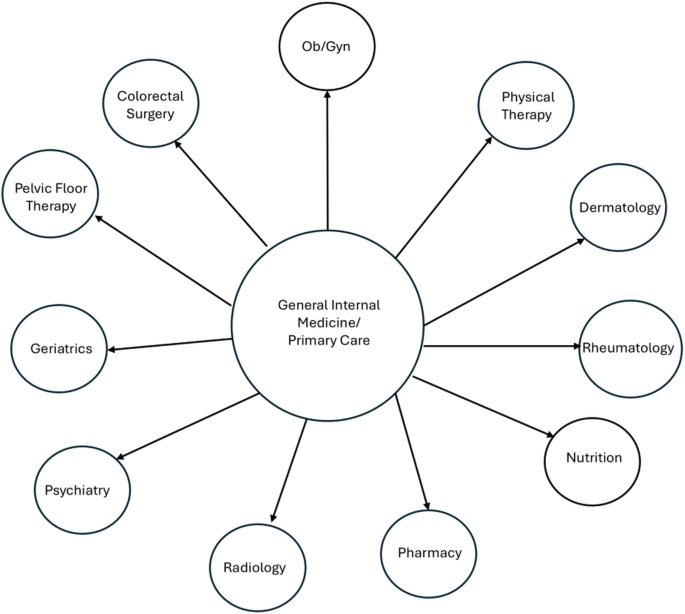
Participants highlighted needs that span patients and clinicians (integration into multidisciplinary chronic care, support for transitions to independence, recognition of individual differences), patient-level needs (routine assessment of lived pain experience, setting expectations about pain management, linking to nonopioid alternatives), and
clinician/system-level needs (tracking pain/opioid care received outside the clinic, closing information and resource gaps, coordinating safety across teams).
The research used semistructured interviews and a co-design workshop with 7 AYA patients and 13 clinicians; findings are presented as themes to guide future tool design, prototyping, and testing. This brief summarizes the abstract-level report provided by the journal and does not reflect review of a full paper beyond the supplied abstract.
This classification and note are grounded in the article abstract. The study used qualitative interviews and a co-design workshop; it reports formative design insights rather than tested clinical outcomes.
Review the original publication for the complete reporting, methods, and context.
This Cure8 brief is based on source text from the linked article. Cure8 is informational only and is not a substitute for professional medical advice, diagnosis, or treatment.
Dietary strategies are commonly considered by people with IBD to manage symptoms and quality of life. This trial focuses on real-world adherence and patient-reported barriers to three popular diets (intermittent fasting,...
Older adults with IBD are at higher risk of functional decline; SE and PT are low-risk interventions that may help reduce frailty, sarcopenia, fatigue, joint pain, and improve postoperative recovery and quality of life.
People with IBD commonly have extraintestinal symptoms (mood disorders, fatigue, pain, nutritional problems) that affect quality of life and need proactive identification and management in primary care.