Cure8 research brief
Why This Matters
Older adults (≥60) with IBD are an increasing population worldwide, and IBD-related anemia is rising—this affects screening needs, healthcare planning, and resource allocation. The findings point to widening socioeconomic gaps in IBD outcomes that could influence access to care.
Who Should Pay Attention
Older adult patients with IBD, caregivers, gastroenterologists and geriatric clinicians, public-health planners, and researchers in epidemiology and health disparities.
Study Snapshot
What To Know
This study used the Global Burden of Disease 2021 database to estimate IBD and IBD-attributable anemia among adults aged 60 and older across countries from 1990–2021 and projected trends to 2045.
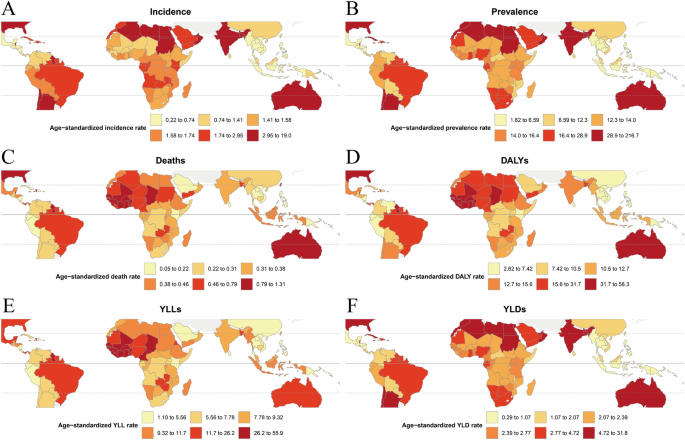
The authors report large increases in the number of older adults living with IBD (driven mainly by demographic growth), rising incidence particularly in women and in lower-SDI regions, and growth in IBD-related anemia.
The paper highlights widening socioeconomic inequalities for IBD mortality and disability (DALYs) and recommends more focus on early diagnosis, routine anemia screening, frailty assessment, and fairer allocation of healthcare resources for older adults with IBD.
Because the article is based on GBD estimates and projection models, findings describe population-level burden and trends rather than individual clinical outcomes.
Keep In Mind
The study is a Global Burden of Disease observational analysis and uses modeling to project future burden; results reflect population-level estimates and depend on underlying data quality and modeling assumptions.
Source Details
Review the original publication for the complete reporting, methods, and context.
This Cure8 brief is based on source text from the linked article. Cure8 is informational only and is not a substitute for professional medical advice, diagnosis, or treatment.