Journal of Crohn's & colitis
Cure8 research brief
Cure8 research brief
The positions give clinicians and patients a practical framework for diagnosing and managing drug-induced enterocolitis—especially enterocolitis caused by immune checkpoint inhibitors—which can closely resemble IBD and require different management decisions.
Clinicians (gastroenterologists, oncologists, pathologists), patients receiving immune checkpoint inhibitors, patients on biologics, and researchers interested in immune-related adverse events.
This is an ECCO topical review and set of Current Practice Positions synthesizing available evidence and expert consensus. It highlights that DIC covers multiple histological patterns that can mimic IBD, so close clinicopathological collaboration is important.
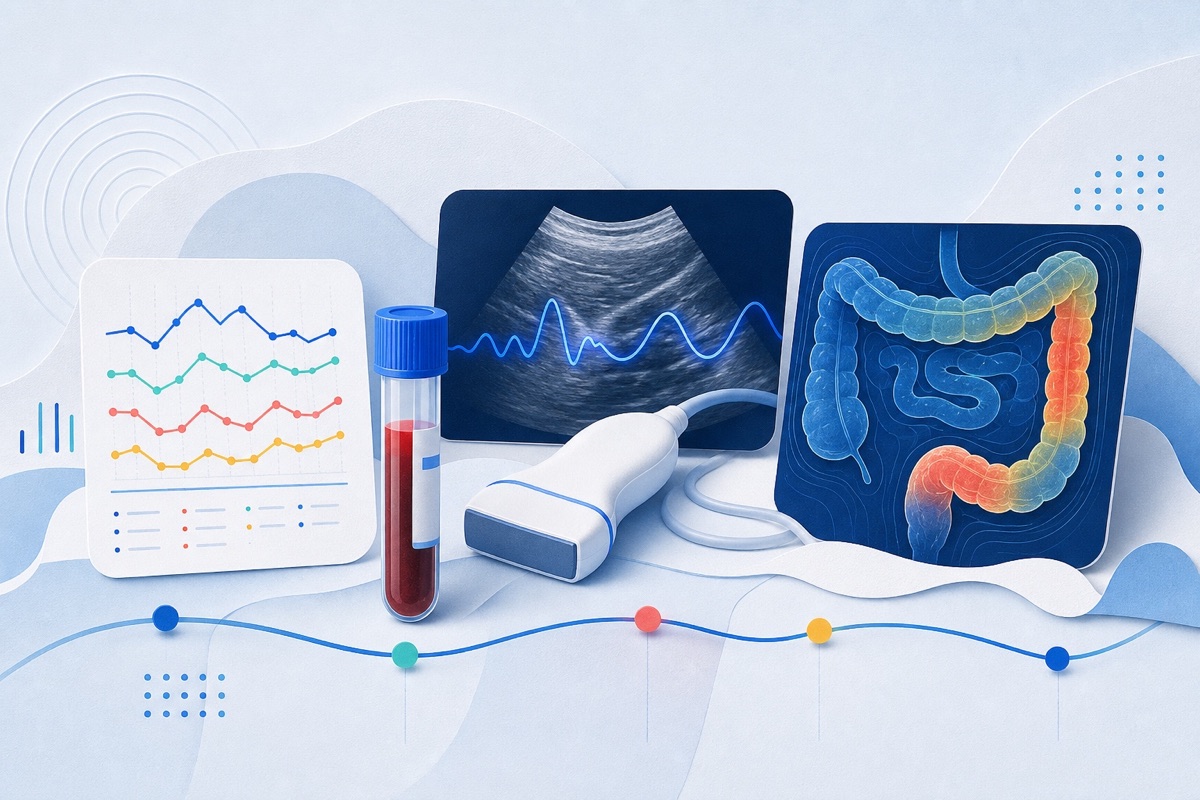
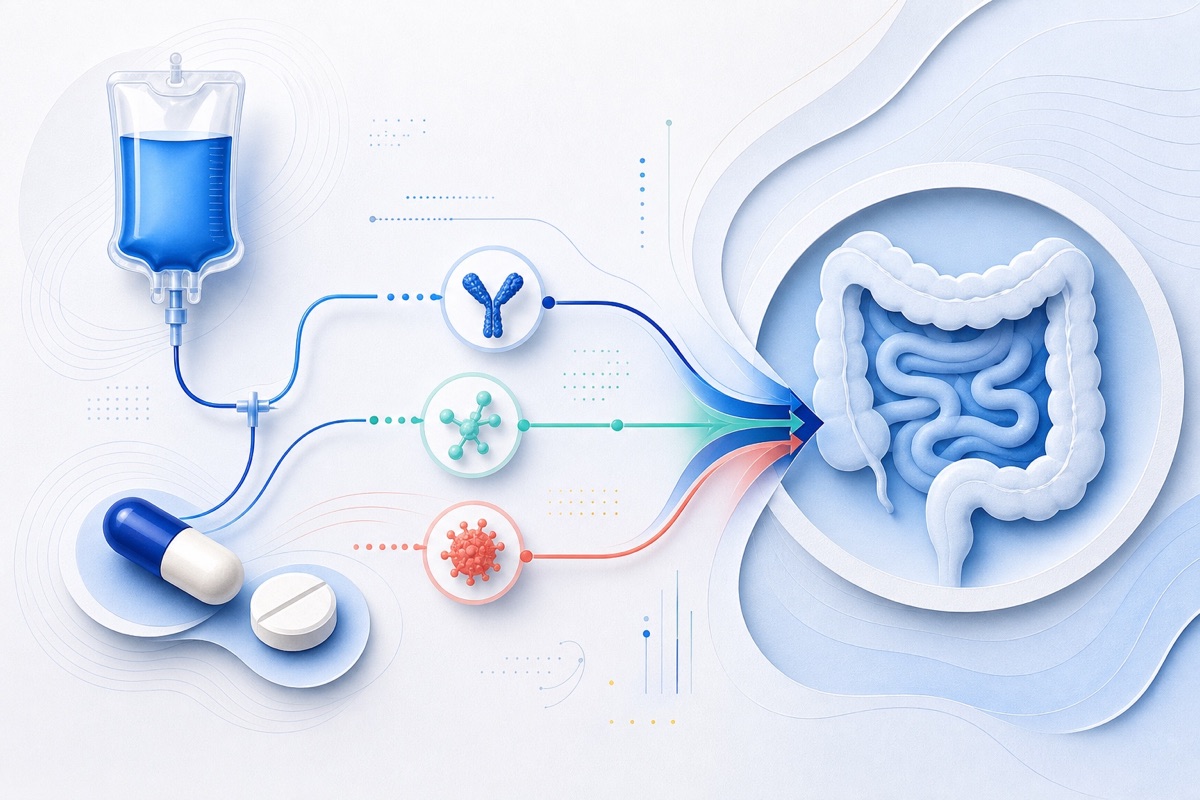
For suspected ICI-induced enterocolitis the panel recommends grading severity, testing stool for pathogens, measuring fecal calprotectin, performing endoscopy with biopsies, and using imaging when indicated. First-line treatment recommended is corticosteroids; budesonide or beclomethasone may be used for mild or microscopic disease.
For corticosteroid-refractory or corticosteroid-dependent cases, early escalation to infliximab or vedolizumab is advised. Surgery is reserved for refractory or complicated cases, and ICI rechallenge is a multidisciplinary decision.
This is an ECCO topical review and consensus guidance based on literature review and expert opinion (structured consensus). It summarizes diagnostic and treatment approaches but is not a substitute for individualized clinical judgment; it does not present new trial results.
Review the original publication for the complete reporting, methods, and context.
This Cure8 brief is based on source text from the linked article. Cure8 is informational only and is not a substitute for professional medical advice, diagnosis, or treatment.
Early changes in stool tests (qFIT and fecal calprotectin) might help predict which biologic‑naive ulcerative colitis patients will relapse or need escalation to biologic/JAK therapy. If validated, such markers could...
This trial tests whether starting with one biologic or targeted therapy versus another (and the sequence of switches) affects remission, safety, and quality of life for people with moderate-to-severe ulcerative colitis —...
People on biologic therapy who lose response often face choices: switch drugs or increase dose. This study shows that escalating doses of infliximab, adalimumab, or vedolizumab frequently led to clinical improvement and...