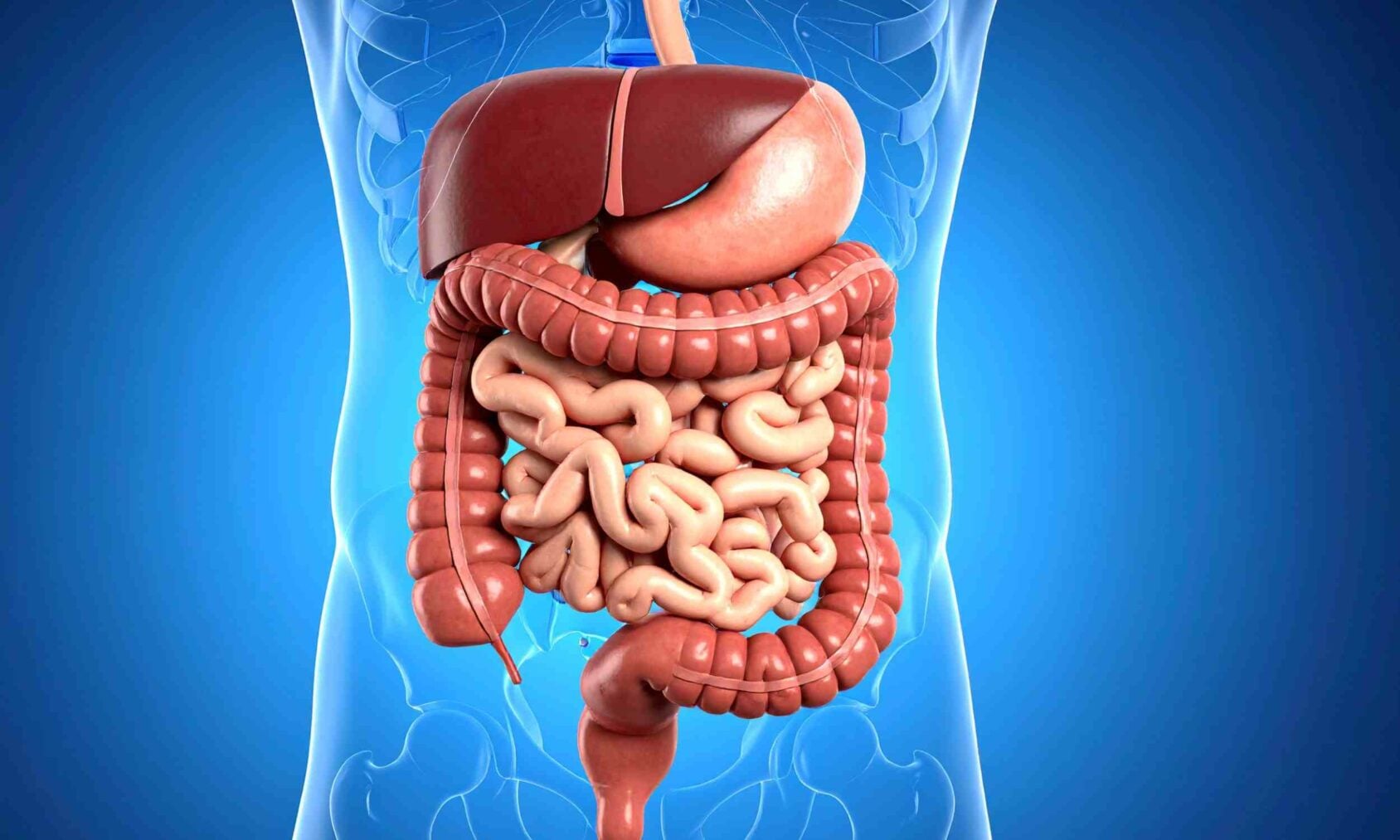
This review collects preclinical evidence that a traditional Chinese medicine formula (Gegen Qinlian Decoction) may act on inflammation, the gut barrier, immunity, and microbiota — all relevant to ulcerative colitis and its inflammation-driven risk of colorectal cancer.
That suggests a possible adjunctive research direction for reducing inflammation and treatment toxicity.
Who Should Pay Attention
Clinicians and researchers studying UC, inflammation-driven colorectal cancer, microbiome-targeted therapies, and complementary/adjunctive treatments; adult patients interested in complementary approaches (discuss with their care team).
Study Snapshot
Story typeResearch paper
Evidence typeResearch paper
Source depthJournal abstract
What To Know
This article is a review (abstract-level content provided) summarizing laboratory and preclinical studies rather than clinical trial results.
It highlights proposed mechanisms: suppression of inflammatory signaling (e.g., TLR4/NF-κB, IL-6/JAK2/STAT3, NLRP3), modulation of Th17/Treg balance and macrophage polarization, restoration of epithelial barrier function, reshaping of gut microbiota, and reduction of oxidative stress.
The review suggests GQD might be more useful as an adjunct to standard cancer therapies rather than a primary anticancer drug, and it may help reduce treatment-related intestinal toxicity. Practical note The paper compiles preclinical and mechanistic data; it does not report definitive clinical benefits or safety data for people with UC or CRC.
If you are considering complementary or alternative treatments, discuss them with your gastroenterologist or oncology team before use.
Keep In Mind
The article is a review based on preclinical studies (structured content depth: abstract). It does not provide randomized clinical trial evidence of safety or efficacy in humans, so findings should be viewed as preliminary and hypothesis-generating.
Source Details
Review the original publication for the complete reporting, methods, and context.
This Cure8 brief is based on source text from the linked article. Cure8 is informational only and is not a substitute for professional medical advice, diagnosis, or treatment.
Fibrosis and stricturing are key problems in Crohn’s disease with limited therapies; this study identifies a microbiota–bile acid–GPBAR1 pathway by which a specific probiotic mix reduced inflammation and fibrosis in...
Researchers are exploring plant-derived polysaccharides as potential therapies that might reduce inflammation and protect the intestinal barrier. For people with UC, therapies that reduce pyroptosis and restore...
The study suggests vitamin D might help the immune system tolerate gut bacteria better and lower intestinal inflammation, which could mean fewer symptoms or flares for people with Crohn’s disease or ulcerative colitis.