Carbohydrate research
Cure8 research brief
Cure8 research brief
This preclinical study suggests a ginseng-derived polysaccharide reduced inflammation and tissue injury in cell and mouse models of colitis, which could eventually inform dietary supplements or therapeutic research relevant to people with inflammatory bowel disease.
Researchers studying IBD treatments or functional food ingredients, clinicians following emerging preclinical research, and patients interested in diet- or supplement-based approaches (as early-stage interest).
This study reports that a low-molecular-weight neutral glucan (SN-GOS) derived from ginseng marc showed anti-inflammatory effects in lab-grown human intestinal HT-29 cells and improved disease measures in a mouse model of DSS-induced colitis.
In cells, SN-GOS reduced markers of apoptosis, lowered TNF-α and IL-6 expression, decreased ROS, modulated MAPK signaling, and increased autophagy-related markers. In mice, oral SN-GOS (200–400 mg/kg) was associated with improved colon length, body weight, and tissue appearance.
The work is presented as preclinical laboratory research (cell lines and a chemical colitis mouse model) and does not report clinical testing in people. The authors frame SN-GOS as a potential functional food ingredient rather than an approved therapy.
If you have Crohn’s disease or ulcerative colitis, this is an early-stage finding that may point to future dietary or supplement research; it is not evidence to support using ginseng marc products as treatment. Talk with your clinician before making changes to diet or supplements, especially if you are on immunosuppressive medications.
Results come from cell culture and a DSS mouse model; such findings often do not translate directly to human benefit. The article is an abstract-level summary of laboratory research published in Carbohydrate Research; it does not report clinical trials or safety data in humans.
Review the original publication for the complete reporting, methods, and context.
This Cure8 brief is based on source text from the linked article. Cure8 is informational only and is not a substitute for professional medical advice, diagnosis, or treatment.
This large observational study suggests that diets high in nutrient-dense plant foods (not processed plant products) were linked to lower risk of developing IBD and to fewer IBD-related surgeries. People with IBD often...
The study suggests that people with ulcerative colitis who consume diets higher in antioxidant capacity had lower measured disease activity, which could point to diet as a modifiable factor worth exploring alongside...
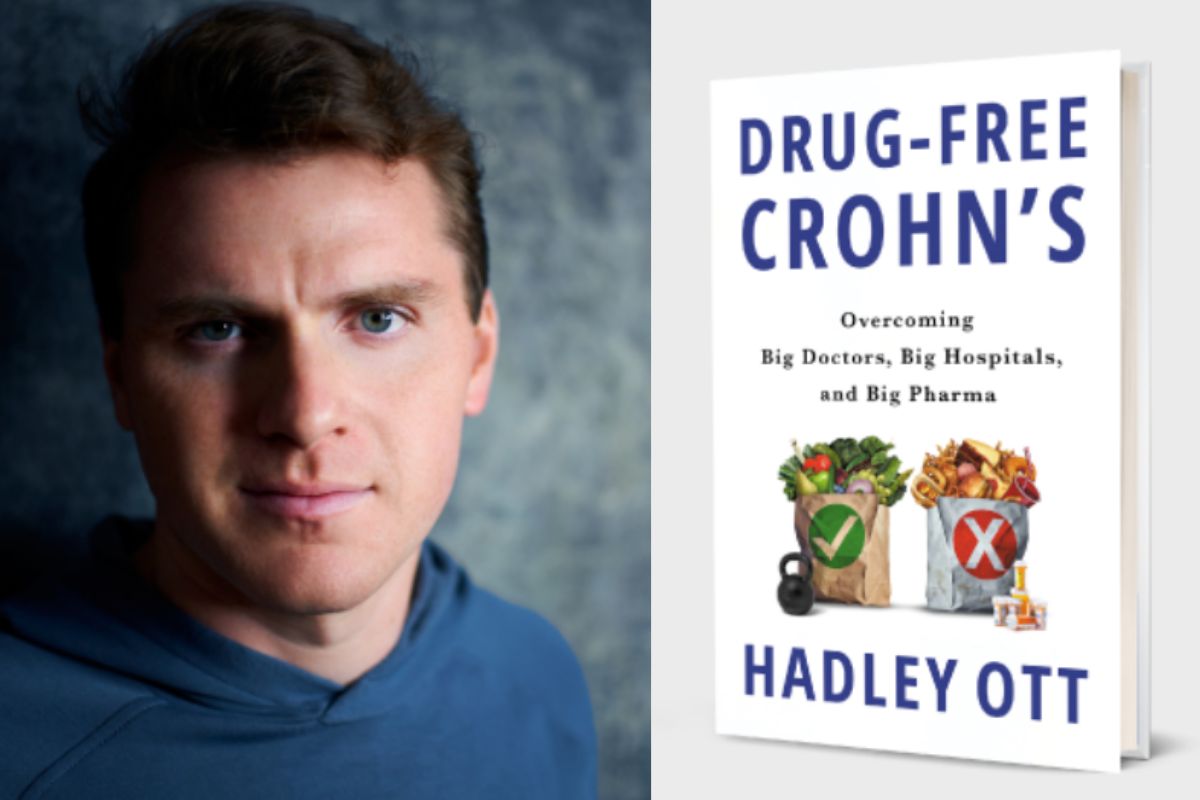
A book describing a personal recovery from Crohn’s through diet, fitness, and faith may interest people looking for lifestyle approaches or peer experiences. It’s not clinical evidence but could offer practical ideas or...