NIH RePORTER
Cure8 regulatory brief
Gut microbiota, dietary fiber, and inflammatory bowel disease
Diet and lifestyle
Microbiome
Clinical study
Researchers
Clinicians
Adult patients
Newly Diagnosed
Inflammatory bowel disease
Cure8 regulatory brief
People with IBD often receive general advice to eat more fiber, but certain purified fibers or fiber-enriched foods may help some people while worsening inflammation in others. Research that teases apart fiber types and microbiota mechanisms could lead to safer, more individualized guidance.
Researchers studying diet–microbiome interactions, clinicians advising IBD patients on dietary fiber, and patients with IBD interested in how different fiber sources might affect gut inflammation.
This is a funded NIH-reporter project abstract describing research on how different dietary fibers affect gut microbiota and intestinal inflammation using murine colitis models.
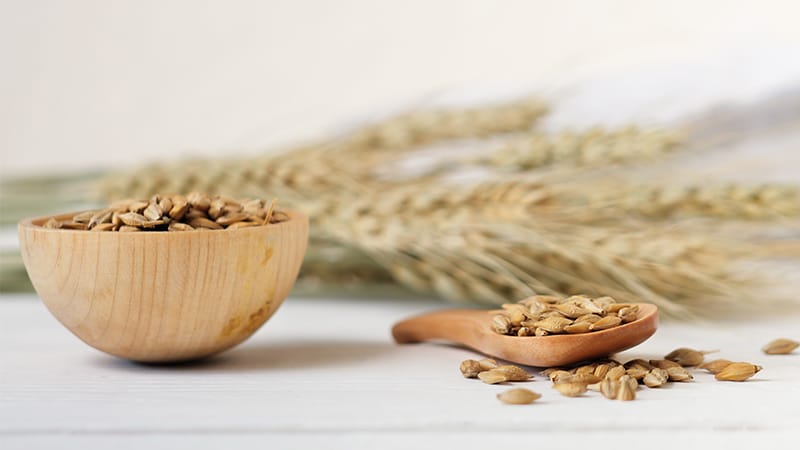
The investigators aim to clarify when fiber (including purified supplements like psyllium and fibers in highly processed foods) is beneficial versus when specific fibers can worsen colitis, and to identify microbiota-mediated mechanisms beyond short-chain fatty acids.
The summary is based on the project abstract provided in the NIH Reporter entry and does not represent a peer-reviewed publication or completed human study. The work is mechanistic and preclinical (mouse models) with the goal of informing safer, evidence-based use of fiber-enriched foods and supplements and guiding future human studies.
Key points: the proposal challenges simplistic soluble/insoluble fiber paradigms; highlights fiber-specific and microbiota-dependent effects; and studies both purified fibers and complex food-derived fiber mixtures.
This is a funded research project using mouse colitis models to discover mechanisms; results will be hypothesis-generating for human studies and do not yet provide clinical recommendations. The project abstract (NIH Reporter) is not a peer-reviewed clinical result.
Review the original publication for the complete reporting, methods, and context.
Funding disclosed by the source: National Institute of Diabetes and Digestive and Kidney Diseases - R01DK146134 - $786,149
This Cure8 brief is based on source text from the linked article. Cure8 is informational only and is not a substitute for professional medical advice, diagnosis, or treatment.
If you have Crohn’s disease, this study suggests following a Mediterranean-style diet may be linked with lower inflammation and a gentler disease course, and it could positively change the gut microbiome and metabolites.
Dietary strategies that change the gut microbiome are of interest because they might modify inflammation without drugs. This study suggests PEN+ED can shift the microbiome toward a healthier profile in UC, though...
This study suggests that higher intake of specific fibers (beta‑glucan and inulin) may be linked to lower Crohn’s risk in people with a family history, and it connects those fibers to biomarkers of inflammation, barrier...