PROTEOMICS – Clinical Applications
Cure8 research brief
Cure8 research brief
The study proposes four protein-coding genes as candidate noninvasive biomarkers that could improve early diagnosis of ulcerative colitis and points to potential drug candidates for further research, which may be relevant to future diagnostic and therapeutic development.
Researchers, clinicians, and translational teams focused on UC biomarkers, proteomics, immune-pathway research, and drug discovery
The report is based on data-independent acquisition proteomics combined with bioinformatic analyses of GEO datasets (abstract-level summary provided by the journal).
The team assessed immune-cell infiltration (ssGSEA), ran correlation and ROC analyses to evaluate diagnostic potential, performed GSEA to explore associated pathways, and used in silico drug-prediction methods to find compounds targeting the candidate proteins.
This is an abstract-level summary from a peer-reviewed journal article; the extraction is partial and Cure8 did not review the full paper. The findings are preliminary biomarker and computational drug-prediction results and do not establish clinical utility or approved treatments.
This is an abstract-level report using proteomics and GEO dataset analyses with in silico drug prediction; findings are preliminary and need experimental and clinical validation.
Review the original publication for the complete reporting, methods, and context.
Funding disclosed by the source: National Natural Science Foundation of China, award 81673969; National Natural Science Foundation of China, award 82205057; Natural Science Foundation of Shandong Province, award ZR2026MS1430
This Cure8 brief is based on source text from the linked article. Cure8 is informational only and is not a substitute for professional medical advice, diagnosis, or treatment.
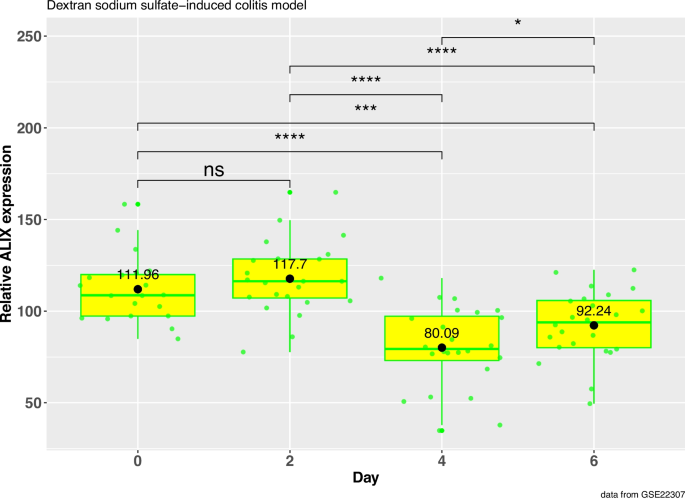
The paper suggests a new molecular link—low ALIX expression—to inflammatory cell death (pyroptosis) that might help explain mucosal inflammation in ulcerative colitis. If validated, that pathway could point to biomarkers...
Researchers are exploring circRNAs as new molecular players in IBD inflammation; that could lead to future biomarker tests or novel treatments targeting immune pathways relevant to Crohn’s disease and ulcerative colitis.
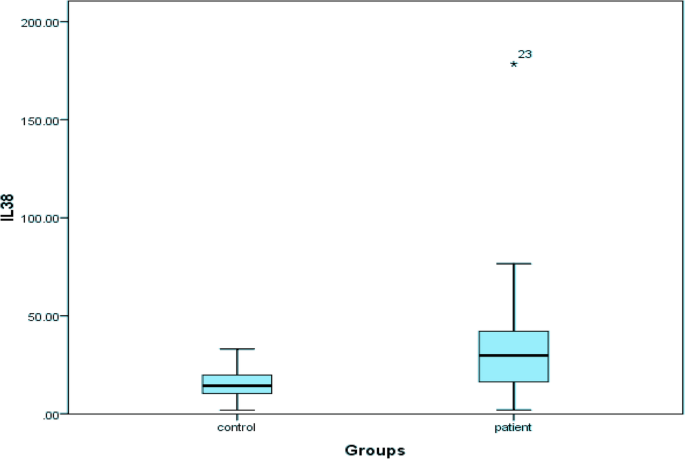
IL-38 and a genetic variant (rs7599662) were linked to ulcerative colitis in this study, suggesting a possible new biomarker or therapeutic target. If validated, this could help researchers better understand UC...