
technologynetworks.com
Cure8 news brief
Cure8 news brief
This research uses patient-derived “mini-guts” to uncover epigenetic changes that may help explain differences between people with Crohn’s disease and could point to new biological pathways for future therapies.
It’s a step toward models that better reflect individual patients, which may improve target discovery over time.
Researchers and clinicians interested in IBD mechanisms, translational researchers working on organoids or CRISPR functional genomics, and patients curious about early-stage research into disease drivers and biomarkers.
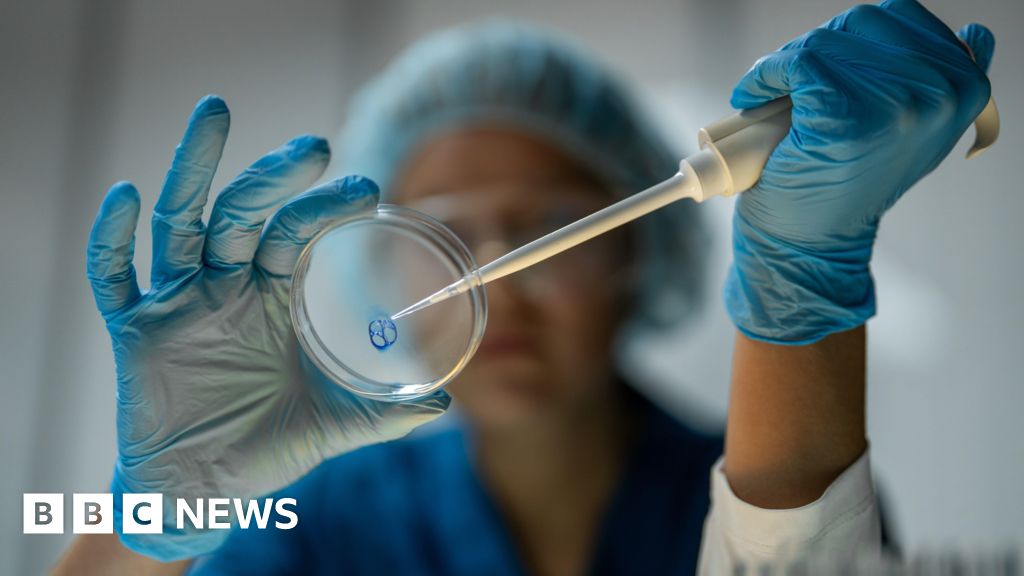
This story reports on preclinical laboratory research using patient-derived organoids (mini-guts) to study epigenetic differences in intestinal epithelial cells from people with Crohn’s disease.
The findings are investigational: they describe molecular patterns (hypomethylation linked to increased expression in MHC class I pathways) and the creation of a resource (an organoid biobank) rather than a new treatment.
The researchers emphasize the need for functional genomics (CRISPR screens) to test which molecular changes actually affect disease biology. The organoid biobank increases sample numbers compared with many prior studies, which the authors say helps capture patient variability.
The team reports correlations between epigenetic changes and disease severity but notes further work is needed to determine causality and clinical implications. If you read the original article, it includes researcher commentary about logistical challenges of building a biobank and next steps to scale functional screens in organoids.
These are laboratory (preclinical) findings using organoids and epigenetic profiling; they do not change clinical care now. The identified DNA methylation patterns are correlations that require functional validation (the researchers plan CRISPR screens). Larger and follow-up studies are needed before translating to therapies or diagnostics.
Review the original publication for the complete reporting, methods, and context.
This Cure8 brief is based on source text from the linked article. Cure8 is informational only and is not a substitute for professional medical advice, diagnosis, or treatment.
The study identifies a specific protein interaction that may underlie persistent inflammation; for people with Crohn’s and other inflammatory conditions this points to a potential new, more targeted treatment approach in...
The study maps cell types and signals linked to submucosal scarring in Crohn's disease, a complication without drug treatments that often requires surgery. Understanding these mechanisms could point to future therapeutic...
Researchers are exploring circRNAs as new molecular players in IBD inflammation; that could lead to future biomarker tests or novel treatments targeting immune pathways relevant to Crohn’s disease and ulcerative colitis.