Cure8

Why This Matters

The study links T cell metabolism and epigenetics to inflammation in IBD, highlighting GSK3β as a possible drug target. That could guide future therapies aimed at dampening pathogenic T cells in Crohn’s disease.

Who Should Pay Attention

Researchers studying IBD immunology or metabolic regulation, translational scientists and clinicians interested in new therapeutic targets for Crohn’s disease, and informed patients who follow basic-science advances.

Study Snapshot

Story typeResearch paper
Evidence typeResearch paper
Source depthJournal abstract

What To Know

The paper links cellular metabolism (glycolysis vs OXPHOS) to histone acetylation and inflammatory cytokine gene expression in pathogenic T cells. Methyl pyruvate promoted oxidative metabolism, lowered acetyl-CoA–dependent histone acetylation at inflammatory genes, and induced a more regulatory-like T cell phenotype in experimental systems.

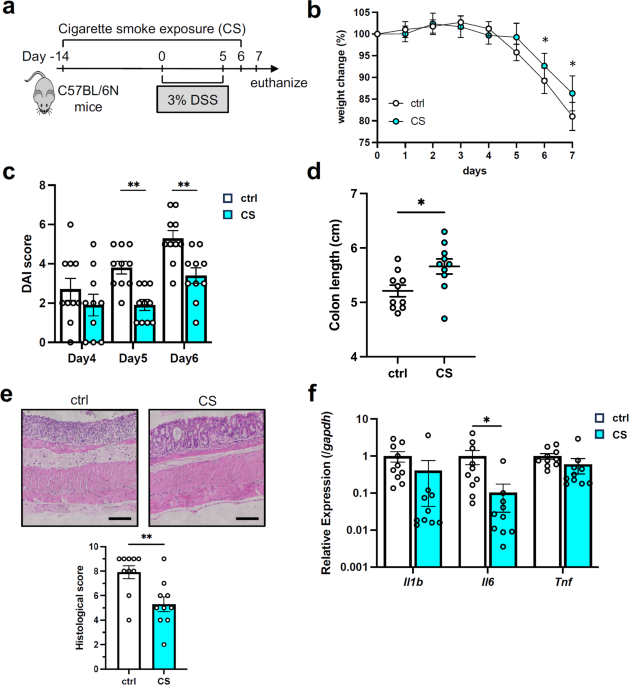
Pharmacologic inhibition of glycogen synthase kinase 3β (GSK3β) similarly shifted metabolism and reduced disease severity in a mouse model of colitis, suggesting GSK3β as a potential therapeutic target for further research.

The findings combine mechanistic cell biology, single-cell transcriptomics of Crohn’s tissue (showing glycolytic programs in nonregulatory CD4+ cells), and preclinical mouse experiments — useful mainly as a foundation for future translational work rather than an immediate clinical change.

Keep In Mind

This is an experimental, preclinical study combining cell-based assays, single-cell transcriptomics of human tissue, and mouse colitis models. It does not report clinical trial data or proven treatments for patients. Translational steps and safety testing would be required before any human application.

Source Details

Review the original publication for the complete reporting, methods, and context.

Read Original Source
Research paper Evidence type derived from source or registry metadata.
PublicationScience signaling
AuthorsShravan K Mishra, Leena M Abdelrahman, Hyun Se Kim Lee +9 more
InstitutionImmunometabolism and Mucosal Immunity Laboratory, Mayo Clinic, Rochester, MN 55905, USA.
Study typeJournal article
Indexed viaPubMed
Source typeResearch paper
PublishedOct 6, 2026, 12:00 AM
Content availableJournal abstract

This Cure8 brief is based on source text from the linked article. Cure8 is informational only and is not a substitute for professional medical advice, diagnosis, or treatment.

Related Reading

Browse latest news →