This reports a potential new way to extend remission after exclusive enteral nutrition by combining diet with fecal microbiome transfer—an approach that targets the gut microbiome rather than adding drugs. If effective, it could offer a non-pharmacologic option to help maintain quiescent Crohn's disease.
Who Should Pay Attention
People with Crohn's disease (adults and children), caregivers, gastroenterology clinicians, and researchers interested in microbiome therapies and dietary treatment approaches.
Study Snapshot
Story typeResearch news
Evidence typePhase 1 clinical trial
Source depthFull source text
What To Know
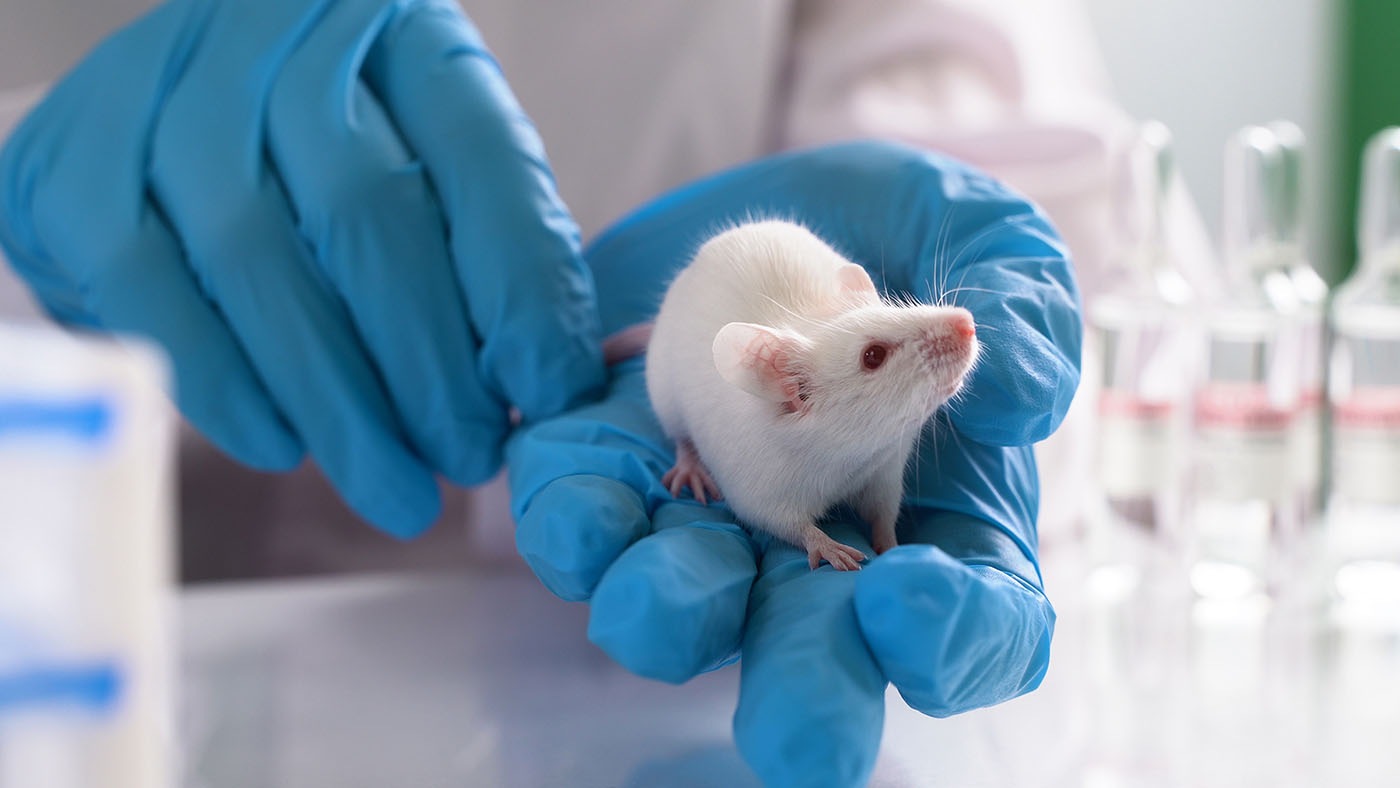
The study group at Technical University of Munich and LMU Hospital mapped how a special liquid diet changes patients' stool microbiome and showed in lab and mouse models that a microbiome “pre-adapted” by the formula prevented inflammation.
They are now enrolling a clinical study that gives patients EEN followed by oral fecal microbiome transfer capsules produced at the University Hospital of Cologne. The trial aims to evaluate safety, feasibility, and whether the approach can stabilize or delay recurrence of inflammation.
Practical takeaways: This is an early-stage clinical study testing a diet-plus-microbiome-transfer strategy rather than an established therapy. It does not report human outcomes yet; the article describes preclinical findings and the launch of a trial.
If you’re interested in microbiome-focused treatments or dietary approaches, watch for trial results and speak with your clinical team before changing treatment.
Keep In Mind
The article describes preclinical and mechanistic work published in Cell Host & Microbe and the start of a clinical study; it does not provide results from human participants yet.
Fecal microbiome transfer is an investigational approach in IBD and has known safety and regulatory considerations; trial outcomes will determine whether this strategy is effective and safe in patients.
Source Details
Review the original publication for the complete reporting, methods, and context.
This Cure8 brief is based on source text from the linked article. Cure8 is informational only and is not a substitute for professional medical advice, diagnosis, or treatment.
This study suggests a targeted phage can reduce inflammation driven by Crohn’s‑associated E. coli without wiping out the gut microbiome, and it may boost the effect of lower steroid doses. That could eventually mean...
The article explains how gut bacteria may contribute to IBD and summarizes common tests and treatments people are likely to encounter. It highlights emerging microbial therapies (probiotics and FMT) that some patients...
This study tests a live Faecalibacterium prausnitzii probiotic (EXL01) as a way to prolong steroid-induced remission in Crohn’s disease, a potential new strategy to reduce relapses and steroid exposure.