The study identifies a gut bacterial metabolite that appears to reduce intestinal inflammation through SIRT1 stabilization and macrophage metabolic reprogramming — a potential new biological pathway relevant to Crohn’s disease and IBD therapy development.
Who Should Pay Attention
Researchers (microbiome, immunometabolism), translational clinicians, and patients interested in microbiome-driven therapies for IBD.
Study Snapshot
Story typeResearch paper
Evidence typeResearch paper
Source depthMetadata only
What To Know
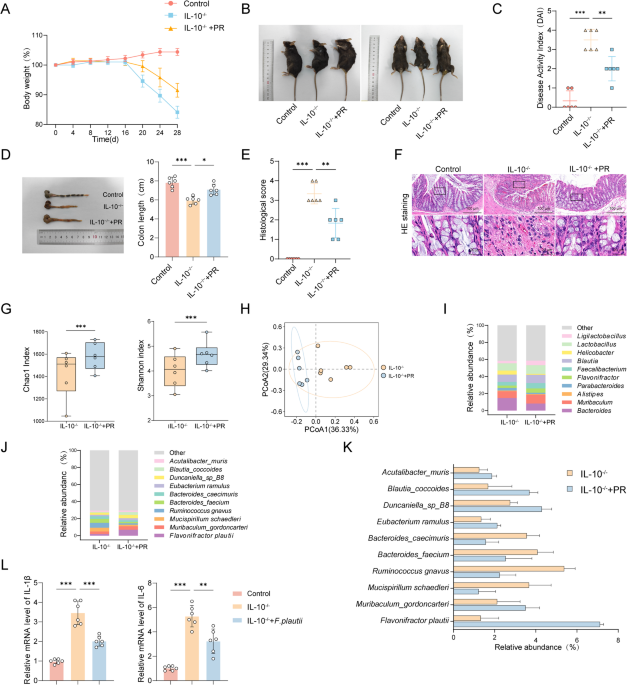
This paper reports laboratory research linking a gut microbiota–derived metabolite, 4-hydroxyphenylacetic acid (4‑HPAA), to reduced intestinal inflammation in models relevant to Crohn’s disease. The authors describe molecular mechanisms involving stabilization of SIRT1 and changes in macrophage immunometabolism that are proposed to mediate the effect.
The findings are preclinical/basic-science in nature: they explore cellular and molecular pathways and use experimental models rather than reporting clinical trial results in people. That means the work can point toward new therapeutic targets or dietary/microbiome strategies but does not establish safety or effectiveness in patients.
If you have Crohn’s disease, this strengthens scientific interest in microbiome-derived metabolites and immune-metabolic pathways (like SIRT1) as possible future treatment approaches. It does not change current medical care.
Keep In Mind
Preclinical/basic-science work; findings need replication and clinical testing before they can inform patient care.
Source Details
Review the original publication for the complete reporting, methods, and context.
Funding disclosed by the source: Jiangsu Provincial Commission of Health and Family Planning, award No.M2025006
This Cure8 brief is based on source text from the linked article. Cure8 is informational only and is not a substitute for professional medical advice, diagnosis, or treatment.
Fibrosis and stricturing are key problems in Crohn’s disease with limited therapies; this study identifies a microbiota–bile acid–GPBAR1 pathway by which a specific probiotic mix reduced inflammation and fibrosis in...
This research links a bacterial surface capsule to how well a gut microbe colonizes the intestine and to lower inflammatory responses in mouse models, which may help explain strain differences seen in Crohn’s disease and...
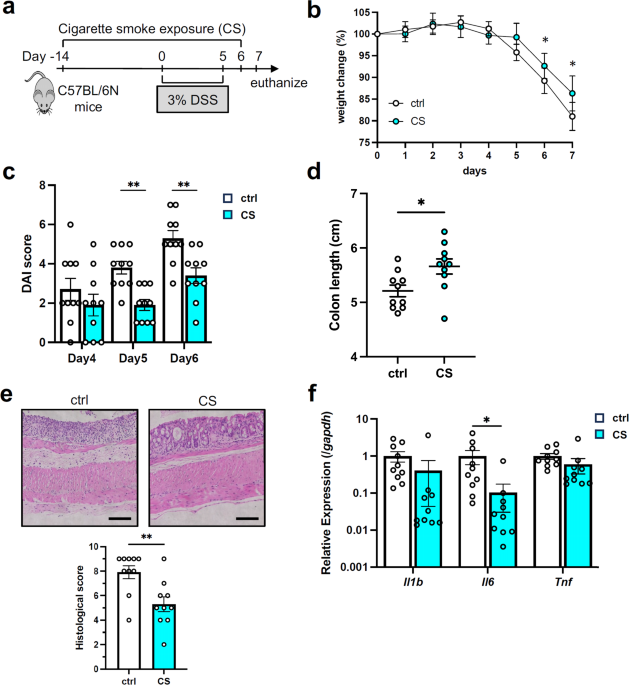
This preclinical study suggests cigarette smoke alters gut microbes and metabolites in ways that can either protect or worsen colitis depending on the model; it identifies 4-HBA as a metabolite that reduced inflammation...