Frontiers in medicine
Cure8 research brief
Cure8 research brief
Infections can closely mimic inflammatory bowel disease flares, especially in people with advanced immunosuppression, so accurate testing can change diagnosis and treatment quickly.
Adult patients with immunosuppression or IBD, caregivers, gastroenterologists, and infectious disease clinicians.
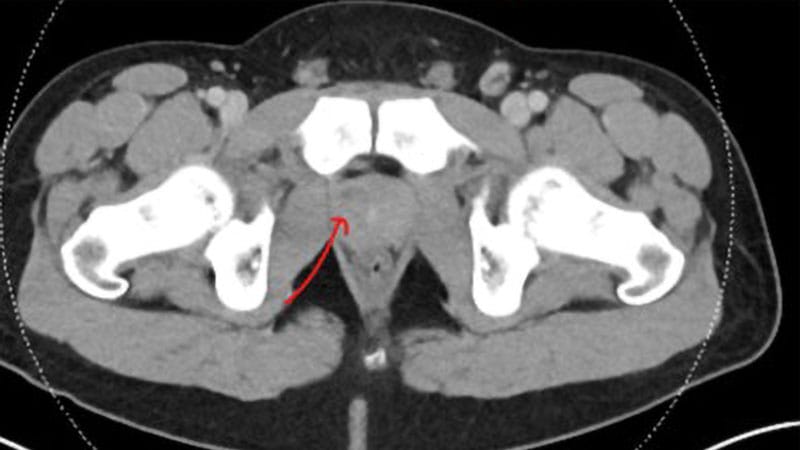
The report highlights that repeated stool microscopy and histopathologic confirmation were key to correct diagnosis after initial consideration of ulcerative colitis. The patient improved after receiving intravenous metronidazole alongside antiretroviral therapy; the diarrhea resolved within about 10 days.
The paper emphasizes keeping infectious causes in the differential for chronic dysentery, especially in immunocompromised patients, to avoid inappropriate immunosuppression and delays in effective antimicrobial therapy.
Single case report summarized from the article abstract; not a study of incidence or treatment comparison. Microbiologic and histopathologic confirmation were central to diagnosis.
Review the original publication for the complete reporting, methods, and context.
This Cure8 brief is based on source text from the linked article. Cure8 is informational only and is not a substitute for professional medical advice, diagnosis, or treatment.
Endometriosis involving the intestine can mimic Crohn’s disease symptoms and lead to misdiagnosis or delayed correct treatment. Patients with IBD-like symptoms who are of reproductive age may need evaluation for bowel...
People with Crohn’s disease—especially those on biologics like infliximab—may have atypical or prolonged infections and can need broader testing when urinary symptoms persist. The case shows diagnostic steps clinicians...
People (especially women) with recurrent stomach pain, persistent nausea, or bleeding can be misdiagnosed with IBS when they have inflammatory bowel disease like Crohn’s. Early recognition can prevent complications that...