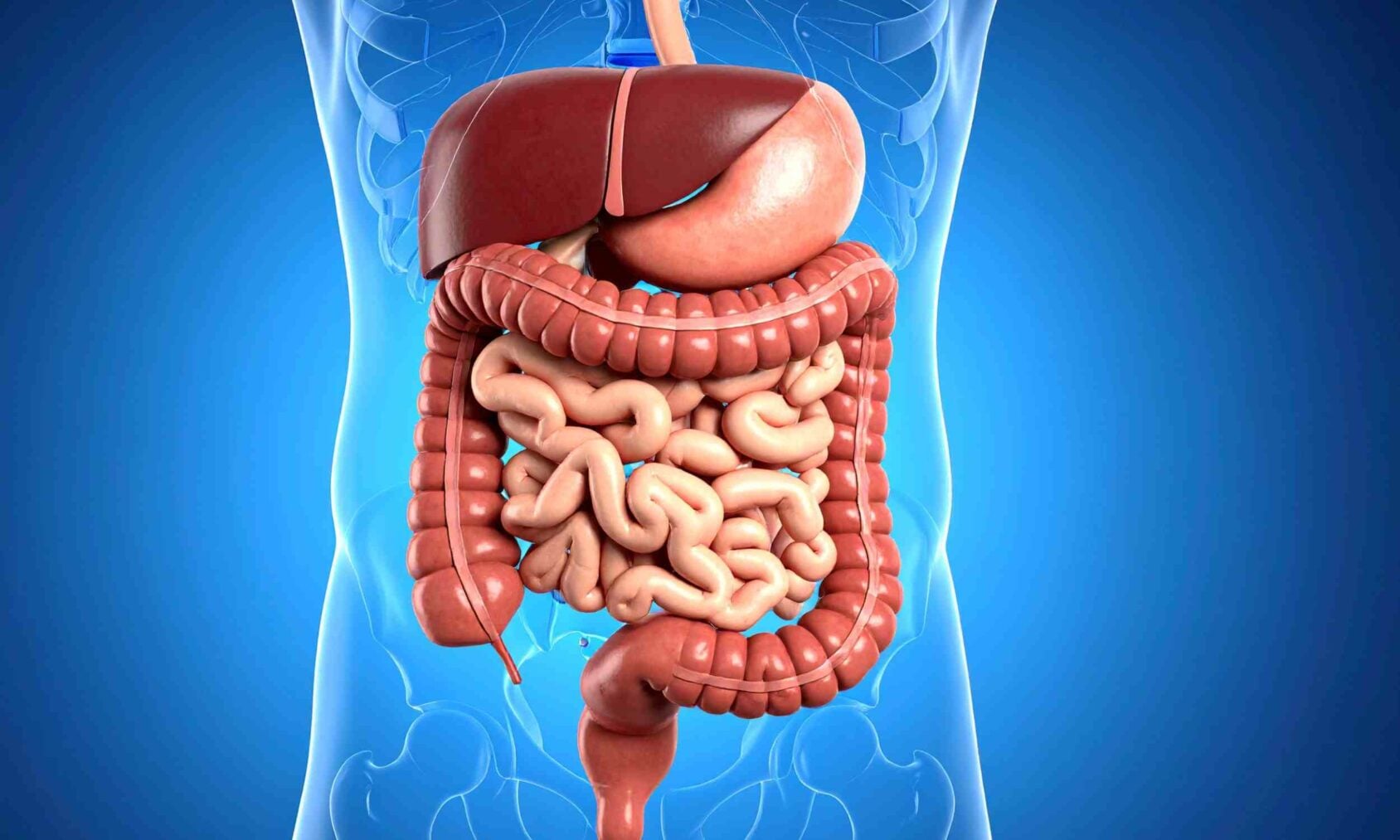
Modulation of experimental colitis by Enterococcus faecalis, Enterococcus faecium, and Bacillus subtilis: insights from infectious and chemical models.
The study investigates how specific gut bacterial strains can change colitis severity in experimental models — important because microbes are a focus of IBD research and potential therapies.
Who Should Pay Attention
Researchers studying the microbiome or immune mechanisms in IBD, clinicians interested in emerging microbiome-targeted therapies, and translational scientists planning preclinical work.
Study Snapshot
Story typeResearch paper
Evidence typeResearch paper
Source depthJournal abstract
What To Know
This is a preclinical (mouse) experiment combining dextran sulfate sodium (DSS) and Salmonella Typhimurium to model colitis and to test oral administration of the three bacterial strains. Outcomes included weight change, a disease activity index, biochemical assays (including fecal calprotectin), cytokine expression, and colon histology.
Results suggest the specific E. faecalis strain tested may increase severity when colitis is driven by Salmonella, while the tested B. subtilis strain showed anti-inflammatory signals (lower pro-inflammatory cytokines, higher IL-10) and improved clinical and histologic measures in these models.
These findings do not mean the same effects occur in people with IBD; they describe strain-specific effects in controlled mouse models and could guide further preclinical or clinical research on probiotic or microbiome-targeted approaches.
Keep In Mind
This is an animal study using specific bacterial strains and combined chemical/infectious models of colitis; results may not translate to humans. The article is an abstract-level source from a peer-reviewed journal but reports preclinical findings.
Source Details
Review the original publication for the complete reporting, methods, and context.
Conflict statement: Declarations. Conflict of interest: The authors declare no competing interests. Ethical considerations: All animal care and experimental procedures adhered to the guidelines of the Committee for Control and Supervision of Experiments on Animals (CCSEA), as specified by the National Institutes of Health, and were approved by the Institutional Animal Ethics Committee (IAEC) of Zydus Research Centre, Ahmedabad. Disclosure of using artificial intelligence (AI): The authors used Copilot for grammar checking and language refinement. The final content, interpretation, and conclusions are entirely the authors’ own responsibility.
This Cure8 brief is based on source text from the linked article. Cure8 is informational only and is not a substitute for professional medical advice, diagnosis, or treatment.
The study suggests nickel accumulation and iron deficiency may be linked with more severe IBD. If confirmed, blood metal and micronutrient levels could help researchers understand disease mechanisms and guide nutritional...
The study suggests vitamin D might help the immune system tolerate gut bacteria better and lower intestinal inflammation, which could mean fewer symptoms or flares for people with Crohn’s disease or ulcerative colitis.
If sodium intake influences gut proteolytic activity, microbiota and inflammation, the findings could help tailor dietary guidance and personalized nutrition strategies for people with Crohn’s disease.