Genetic studies help reveal biological pathways behind Crohn’s disease, which can guide research into new treatments and better understanding of disease mechanisms. People with Crohn’s disease may find it useful to know which pathways (immune signaling, autophagy) researchers are prioritizing.
Who Should Pay Attention
Researchers studying IBD genetics or immune pathways; clinicians and translational scientists interested in mechanisms and potential therapeutic targets.
Study Snapshot
Story typeResearch paper
Evidence typeEarly laboratory research
Source depthFull source text
What To Know
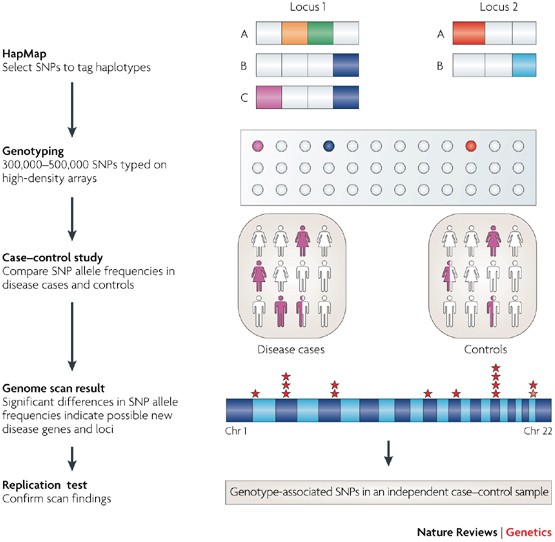
This Nature review summarizes genome-wide association studies (GWAS) and genetic findings that link specific genes and pathways (for example NOD2, IL23R, ATG16L1, IRGM and others cited) to Crohn's disease susceptibility and pathogenesis.
What the article reports: multiple GWAS and candidate-gene studies have identified loci associated with Crohn disease risk. The review ties these genetic signals to biological themes including innate immunity, autophagy, and cytokine/IL-23–related pathways.
How to read this as a patient or clinician: genetic discoveries help researchers understand disease mechanisms and point to biological pathways that could become targets for new treatments, but individual genetic variants do not by themselves determine outcomes or immediate treatment choices.
Limitations and next steps: genetic associations show correlation and implicate pathways; translating them into clinical tests or therapies requires further functional studies and clinical trials.
Keep In Mind
This is a scholarly review summarizing genetic association studies up to the time of publication; genetic risk loci point to pathways rather than providing direct clinical answers. Functional follow-up and clinical trials are needed to turn genetic findings into therapies or tests.
Source Details
Review the original publication for the complete reporting, methods, and context.
Early laboratory researchArticle type assigned from Cure8 classification; confirm details in the original source.
Publicationnature.com
Indexed viaBing News
Source typeResearch paper
PublishedAug 28, 2022, 5:00 PM
Content availableFull source text
This Cure8 brief is based on source text from the linked article. Cure8 is informational only and is not a substitute for professional medical advice, diagnosis, or treatment.
This study links an HLA gene (DRB1) to shared T cell receptor patterns in both Crohn’s disease and ulcerative colitis, suggesting common immune targets across IBD subtypes. That could help researchers identify antigens...
People with both psoriasis and hidradenitis suppurativa appear to have higher overall morbidity and a greater observed risk of Crohn’s disease. Genetic findings suggest shared biological pathways that could affect how...
If EBV exposure increases the risk of later Crohn's disease, it could help explain one environmental trigger for IBD and point to new research directions for prevention or treatment. Patients may be interested because...