Asian Journal of Pharmaceutical and Clinical Research
Cure8 research brief
Cure8 research brief
A new plant-derived extract showed anti-inflammatory and antioxidant effects in rat models of ulcerative colitis, which could be of interest to researchers and clinicians following experimental IBD therapies. The study does not provide evidence applicable to patient care yet.
Researchers in preclinical IBD drug discovery, clinicians interested in complementary therapies, and informed patients curious about experimental botanical research.
This paper reports an animal (rat) study testing an ethanol extract of Citrullus colocynthis fruit in two experimental models of ulcerative colitis: acetic-acid and dextran-sulfate-sodium (DSS) induced colitis.
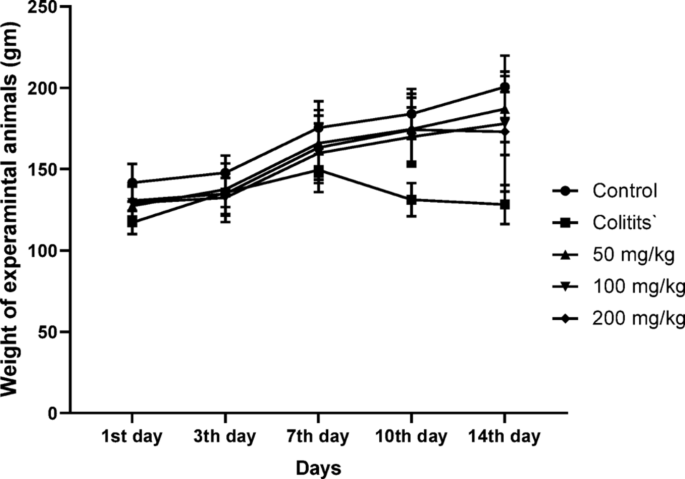
The abstract states the extract (EECC) reduced disease-activity measures, lowered markers of inflammation and oxidative stress (MPO, MDA), and improved antioxidant enzyme levels and tissue histology compared with controls; sulfasalazine was used as a reference drug.
The results are preclinical (rodent) data only — they do not demonstrate safety or efficacy in humans. Plant extracts can vary in composition and dose, and effects in animals often do not translate to patients. Do not change, start, or stop any treatment based on this study alone.
If you are interested in botanical or complementary approaches, discuss them with your gastroenterologist or pharmacist; they can advise about evidence, interactions, and product quality.
Results come from rodent models (acetic-acid and DSS) and an ethanol fruit extract; composition, dosing, safety, and human efficacy are not addressed in this paper.
Review the original publication for the complete reporting, methods, and context.
This Cure8 brief is based on source text from the linked article. Cure8 is informational only and is not a substitute for professional medical advice, diagnosis, or treatment.
This study suggests a plant extract used in traditional medicine reduced inflammation in an animal model of ulcerative colitis, which could be of interest for future drug-discovery or natural-product research relevant to...
Preclinical research suggests acebrophylline might reduce inflammation and oxidative stress in an experimental mouse model of ulcerative colitis, which could be an early step toward new treatments that target multiple...
This animal study suggests date palm pollen extract reduced inflammation and tissue damage in a rat model of colitis, which could point to new lines of research into dietary supplements or natural compounds for gut...