Probiotic Intervention With Bacillus coagulans and Lactobacillus acidophilus in Small Animals Experimental Ulcerative Colitis: Insights From a Small Animal Model
An animal study found two probiotic strains reduced inflammation and inflammasome markers in an experimental ulcerative colitis model, which could inform veterinary treatments and early-stage research relevant to IBD.
Who Should Pay Attention
Researchers (microbiome, immune-pathways), veterinarians, veterinary researchers, clinicians and patients interested in probiotic approaches to IBD.
Study Snapshot
Story typeResearch paper
Evidence typeResearch paper
Source depthJournal abstract
What To Know
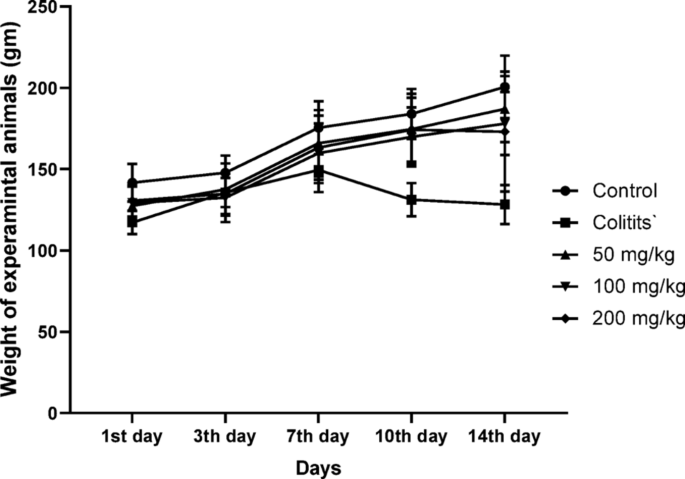
This paper reports an animal study (acetic acid–induced ulcerative colitis in Wistar rats) testing two probiotic strains: Bacillus coagulans and Lactobacillus acidophilus. The abstract says both probiotics reduced inflammatory markers, improved colon appearance on macroscopic and histologic scoring, and attenuated activation of inflammasome-related genes.
The authors compare the probiotic effects with mesalazine, noting they were comparable in this rat model. These results are preclinical: they suggest these probiotic strains can reduce inflammation in an experimental UC model, which may be of interest for veterinary medicine and as a possible translational lead.
However, animal findings don’t directly predict benefits, dosing, or safety in people or other animal species. If you’re considering probiotics for IBD in yourself or a pet, discuss the idea with a clinician first; this study alone doesn’t establish clinical effectiveness, proper formulations, or dosing.
Keep In Mind
Findings come from a rat model (acetic acid–induced colitis) and should not be interpreted as evidence of benefit in humans or other animals without further trials.
Source Details
Review the original publication for the complete reporting, methods, and context.
This Cure8 brief is based on source text from the linked article. Cure8 is informational only and is not a substitute for professional medical advice, diagnosis, or treatment.
This animal study suggests date palm pollen extract reduced inflammation and tissue damage in a rat model of colitis, which could point to new lines of research into dietary supplements or natural compounds for gut...
Preclinical results suggest a fermented yak milk–derived probiotic strain may protect against colitis in mice by improving barrier function, lowering inflammatory cytokines, and changing the gut microbiome—mechanisms...
People with ulcerative colitis may be interested because the study explores a plant extract that reduced inflammation markers in a common animal model of colitis, suggesting a possible new avenue for drug discovery or...