Journal of agricultural and food chemistry· via PubMed
Cure8 research brief
Synbiotic of 2'-FL and B. longum subsp. infantis BXY2 Alleviates Colitis in Toddler Microbiota-Associated Mice: Potential Involvement of Gut Microbial Arachidonic Acid Metabolism.
This preclinical study suggests a specific synbiotic (2'-FL plus B. longum subsp. infantis BXY2) reduced experimental colitis in mice carrying toddler microbiota and links effects to changes in microbial composition and fecal arachidonic acid.
That may be relevant to research into preventive or microbiome-directed strategies for early-life IBD.
Who Should Pay Attention
Researchers studying microbiome-based therapies, pediatric IBD researchers, clinicians interested in early-life risk modifiers, and parents/caregivers following microbiome or synbiotic interventions for young children.
Study Snapshot
Story typeResearch paper
Evidence typeResearch paper
Source depthJournal abstract
What To Know
This abstract reports a preclinical (mouse) study testing a synbiotic composed of 2'-fucosyllactose (2'-FL) and Bifidobacterium longum subsp. infantis BXY2 in toddler microbiota-associated mice with DSS-induced colitis.
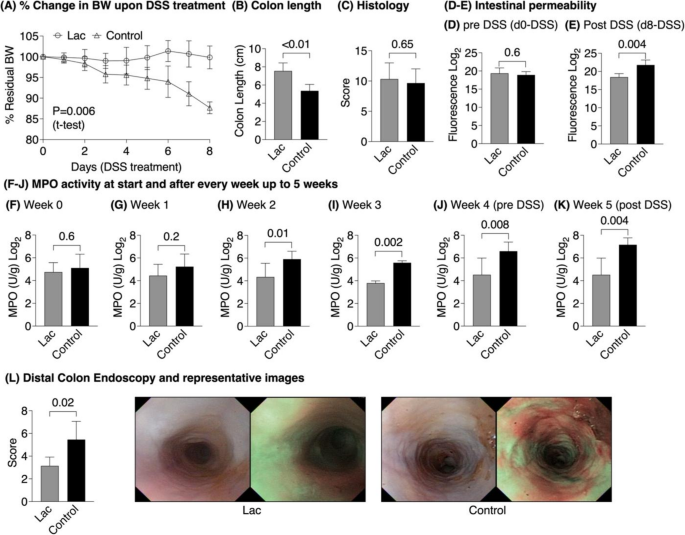
The authors screened multiple Bifidobacterium strains, found that the 2'-FL+BXY2 combination reduced colitis measures (weight loss, colon length, disease and histology scores), improved barrier markers and goblet cells, and altered the gut microbiome and fecal metabolites including reduced arachidonic acid.
The study is preclinical and used a mouse model seeded with toddler microbiota—promising for mechanistic insights into how a specific synbiotic might modulate microbial AA metabolism and inflammation, but not evidence of safety or efficacy in human children.
The abstract notes metagenomics and metabolomics findings that link microbial shifts (enrichment of B. longum subsp. infantis and Phascolarctobacterium faecium) with lower fecal arachidonic acid, which the authors propose may contribute to reduced colitis in this model.
If you care about synbiotics or early-life microbiome approaches, this work suggests a candidate combination worth further study but does not change clinical care. It supports further research (including human studies) rather than immediate use.
Keep In Mind
this is an abstract reporting mouse-model results (toddler microbiota-associated mice with DSS colitis). Findings do not demonstrate safety or effectiveness in human infants or children. The synbiotic showed effects in this specific preclinical model and motivates—but does not replace—controlled human trials.
Source Details
Review the original publication for the complete reporting, methods, and context.
Research paperEvidence type derived from source or registry metadata.
PublicationJournal of agricultural and food chemistry
AuthorsYizhi Jing, Xiaoyue Bai, Junzhu Li +5 more
InstitutionKey Laboratory of Precision Nutrition and Food Quality, Department of Nutrition and Health, China Agricultural University, Beijing100193, China.
This Cure8 brief is based on source text from the linked article. Cure8 is informational only and is not a substitute for professional medical advice, diagnosis, or treatment.
The study suggests a probiotic strain (Lactobacillus plantarum) reduced inflammation and prolonged remission in multiple mouse models of Crohn’s-like disease, indicating microbiome-based approaches might be promising to...
The study suggests a specific probiotic strain may reduce inflammation and restore gut microbiota balance in a preclinical model of ulcerative colitis, pointing to potential new therapeutic targets and probiotic...
This study shows a probiotic strain reduced inflammation and altered fecal metabolites in a standard mouse model of colitis, which is of interest because it points to microbiome-driven metabolic pathways that could be...